Solid-state cooling could be the secret to faster AI laptops
Memory bandwidth, not processing power, is becoming the real bottleneck for AI laptops. A new white paper explores why fan based cooling is struggling to keep up, and how solid state cooling could replace it.
 Troov
Troov

Memory bandwidth is reshaping AI laptops, and fan based cooling is struggling to keep pace.
 Igor Omilaev / Unsplash
Your next laptop’s biggest bottleneck might not be its chip; it could be how well it stays cool. A new white paper from Ventiva, developed alongside analyst firm Moor Insights and Strategy, argues that thermal design is quickly becoming the deciding factor for how fast AI laptops can actually run.
Why memory bandwidth is the real bottleneck
The paper explains that local AI performance is measured in tokens per second, and that number mostly comes down to memory bandwidth. Most laptops today still rely on 128-bit memory buses paired with LPDDR5 memory, which caps bandwidth around 150 GB per second. That is simply not fast enough to run today’s more demanding AI models at usable speeds, and chipmakers are already racing to fix this.
 Sergei Starostin / Pexels
Qualcomm has pushed its Snapdragon X2 Elite chips to 192-bit buses, while AMD and NVIDIA now offer 256-bit options in their client silicon. Apple has gone furthest with its M5 Max, which uses a massive 512 bit bus capable of running large open source models like GPT-OSS 120 B entirely on device. The report expects this shift toward wider buses to accelerate further with the arrival of LPDDR6 memory, which promises faster data rates and better efficiency, with mainstream adoption expected by 2027 and 2028.
Here is the tricky part, though. Wider memory buses require memory chips to sit extremely close to the processor, inside traces shorter than 25 millimeters, exactly where fans and heat pipes have traditionally lived inside a thin and light laptop. Apple sidesteps this by placing memory directly on its chip package, but every other laptop maker has to solve the same spatial puzzle inside a traditional chassis.
Why fans may not be the answer anymore
 Jacob Roach / Digital Trends
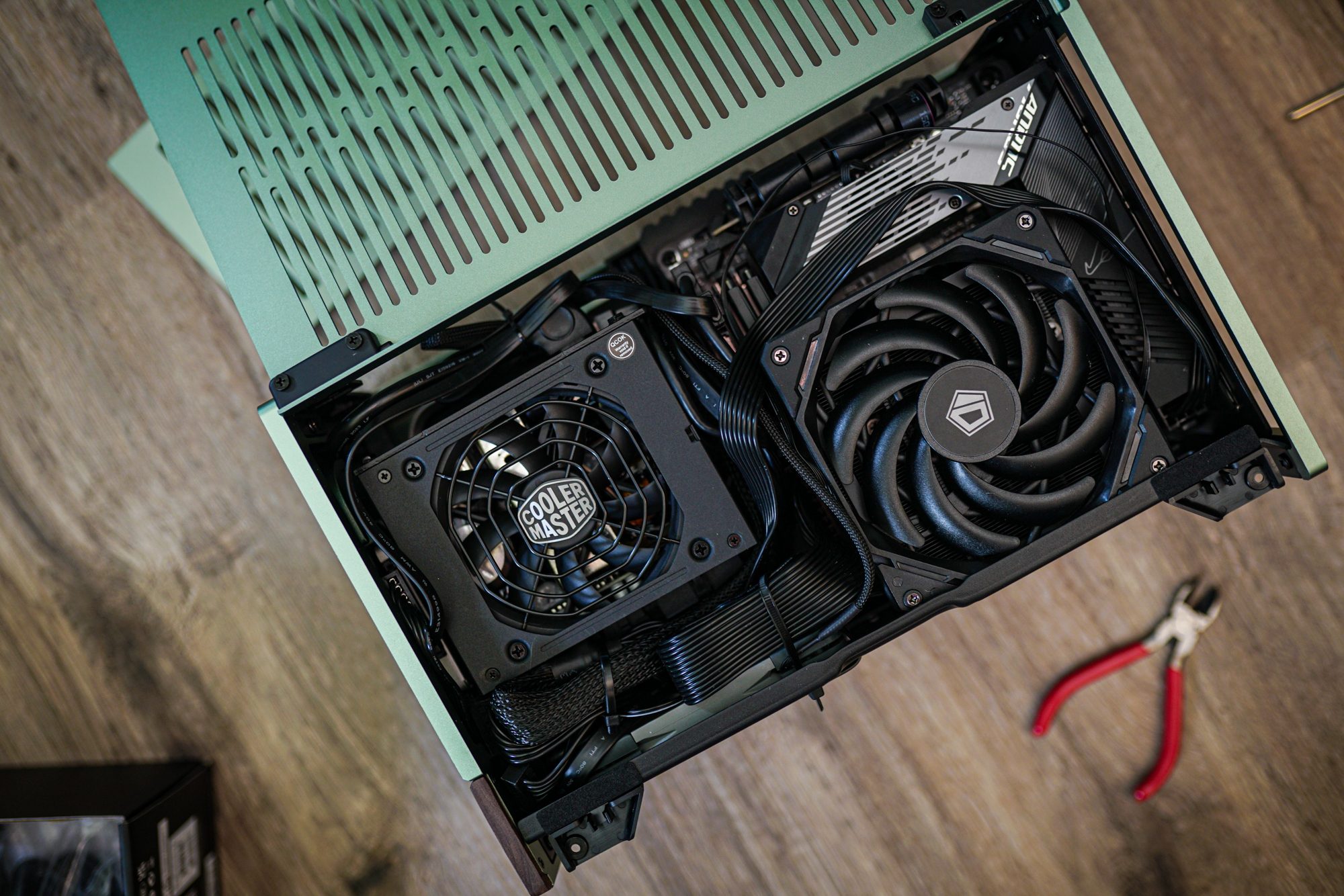
Traditional fan based cooling cannot keep scaling alongside these denser memory layouts, especially as chipmakers push toward 256-bit and wider buses. That is pushing solid-state cooling into the spotlight as a serious contender. The report highlights Ventiva’s ionic cooling platform, which uses charged particles to move air silently without any moving parts.
It also points to Frore’s AirJet technology, which recently proved itself by cooling an Intel reference laptop measuring just 11.3mm thin, sustaining 15 watts of fanless cooling while staying noiseless. Meanwhile, YPlasma showcased a plasma-powered laptop cooler at CES, using ionized gas instead of a spinning fan to move air, claiming operation at just 17 decibels.
The paper frames 2027 and 2028 as a real turning point, when wider memory buses and LPDDR6 would become the standard. If that timeline holds, laptop makers will need to rethink cooling instead of treating it as an afterthought.

Manisha Priyadarshini is a tech and entertainment writer with over nine years of editorial experience.
ASUS Zenbook A14 (2026) review: The dreamy ultraportable laptop I’ve been waiting for, almost.
The MacBook Air rival Windows on Arm needed.
Quick take
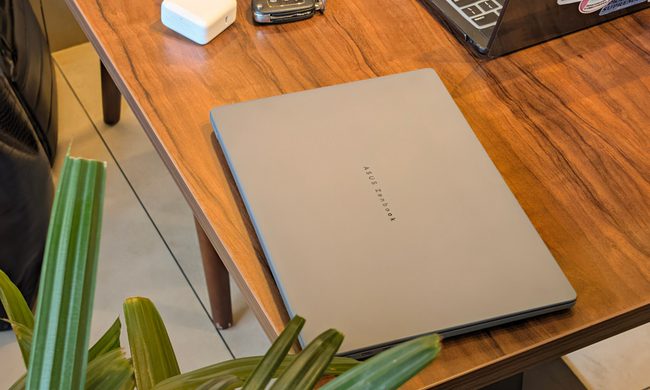
Picking up the ASUS Zenbook A14 for the first time messed with my perception of how much a 14-inch laptop should weigh. My review unit comes in at just 0.99kg, and somehow that number still doesn't prepare you for holding it. This is not the first time I’ve used such a lightweight notebook, but even then, the experience is still refreshing.
I never cared about Mac desktop widgets until I found this app
Your Mac desktop just got a serious glow up.
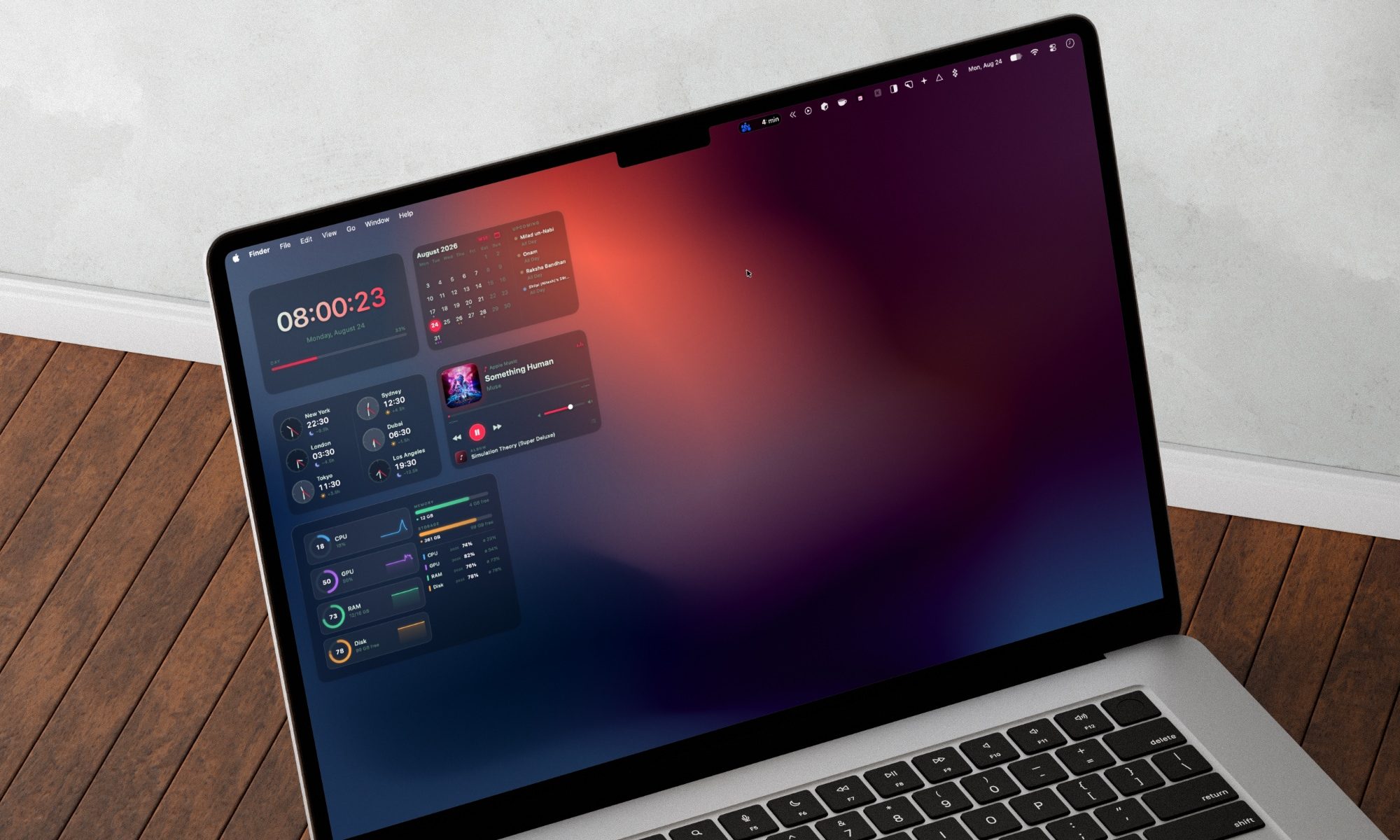
Apple added desktop widgets to Mac with macOS Sonoma back in 2023. I remember dragging a few onto my desktop on day one and moving them right off a few minutes later. The native widgets never fit into how I use my Mac. The look felt off, and honestly, there just weren't enough of them to bother with.
Ever since, I have been searching for something that does for Mac what the widget apps like Widgetsmith did for iPhone. I wanted more options, and more importantly, I wanted widgets that actually looked like they belonged on a Mac desktop instead of feeling bolted on.
In China, AI has reached dumpling shops where you also get to feed on compute tokens

Imagine you visit a dumpling shop to indulge in a plate of piping-hot savory goodness. And as you queue up, you are given access to compute tokens for AI interactions and to an agentic system that recommends delicacies and helps visitors explore the menu in an interactive fashion. That’s exactly what a viral dumpling shop in China’s national capital is serving.
The unexpected pairing of AI agents with dumplings is not surprising, at least for the Chinese market.










/cdn.vox-cdn.com/uploads/chorus_asset/file/25837404/IMG_6678.jpg)