Soviet markets, sunshine and beer steins: This beautiful former USSR city is opening up to tourists
Nearby Tbilisi is still enjoying its moment and now – thanks to new flights from London – Yerevan in Armenia is ready to welcome more visitors, finds Rich Booth
 Tfoso
Tfoso
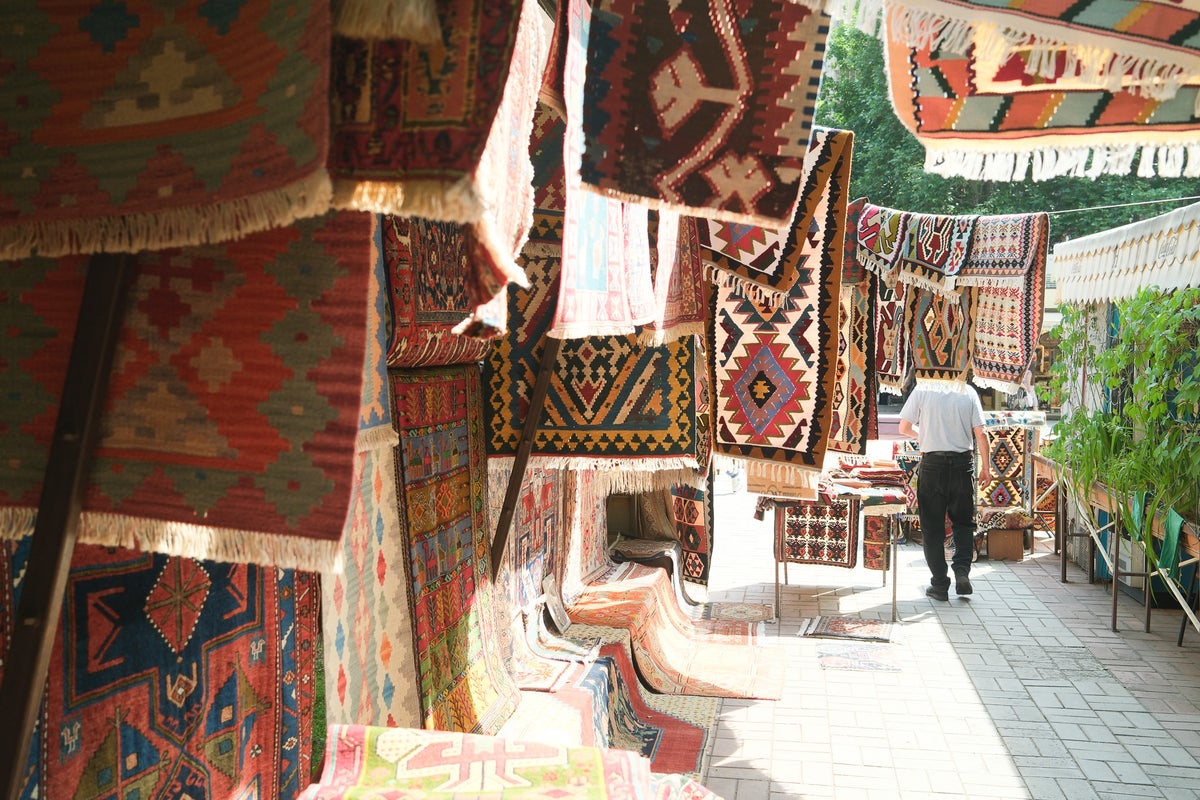
A certain sort of tourist is dotted around the markets and streets of Yerevan. Usually in their thirties, carrying a tote bag and the expression of someone hunting for buried treasure.
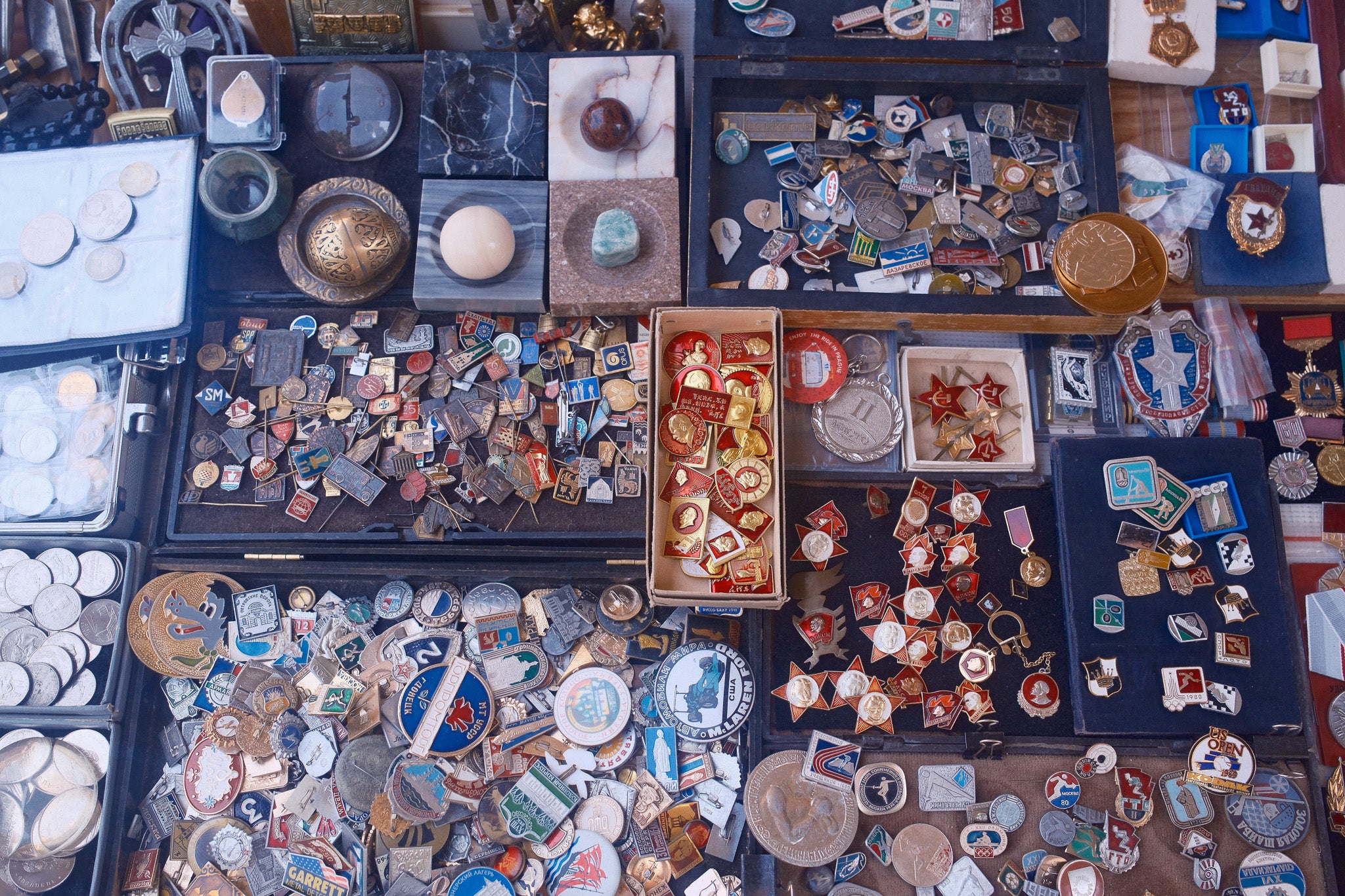
You will spot them strolling through the stalls of Vernissage market, ignoring the jewellery, clothing and stacks of dried fruit. Instead, their eyes dart between boxes of military medals, Soviet badges and other USSR relics.
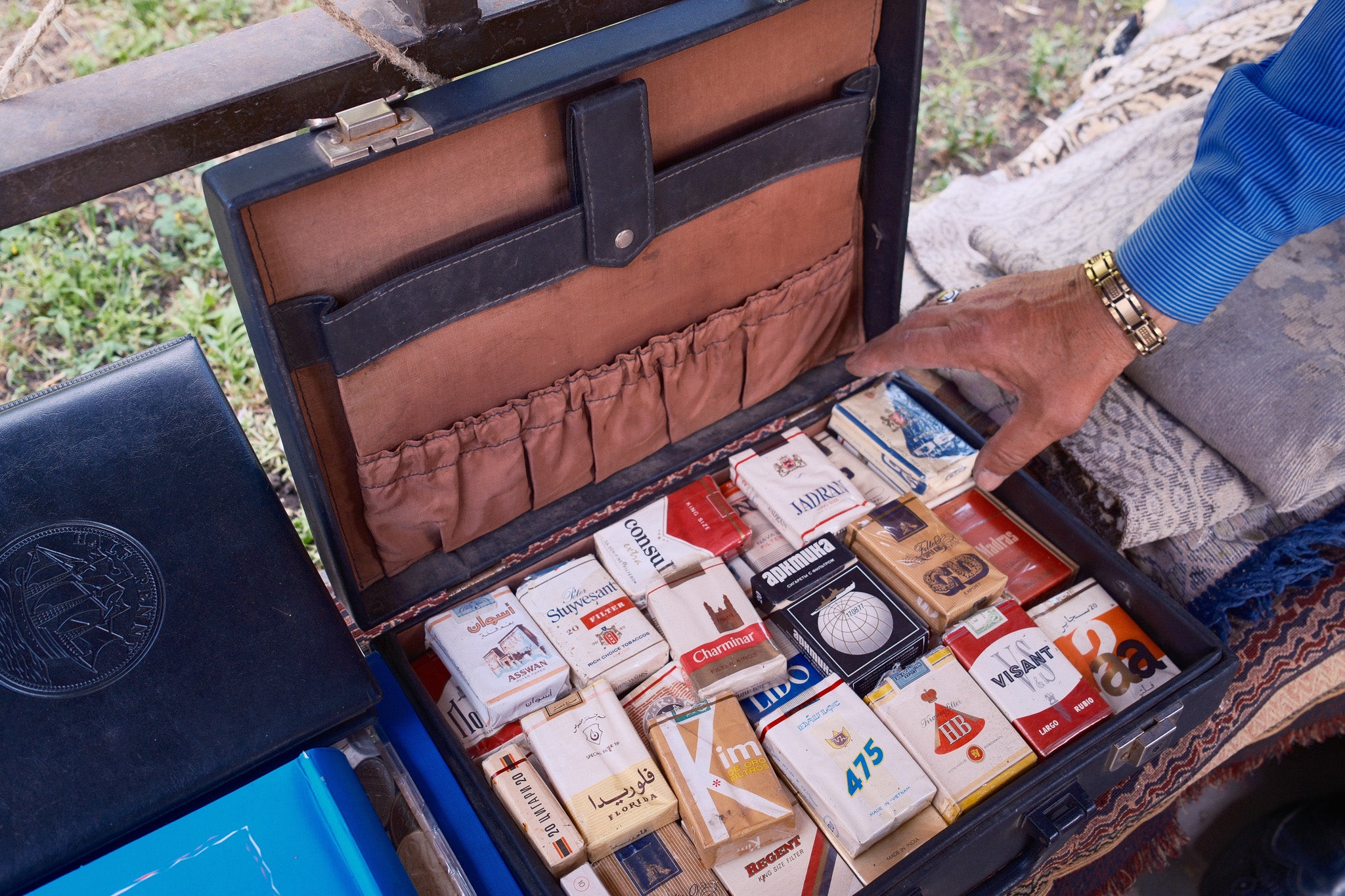
One picks up a cigarette holder branded with Joseph Stalin's face, a suitcase full of unopened cigarette packets from decades ago offered up as an extra. Another negotiates over an old Communist Party pin.
This is the growing world of ‘Red Tourism’, travel centred around former Soviet states and communist history, and Armenia's stunning capital is one of its best.
The trend has existed for years but spread with the help of social media. You will find it across Central Asia, the Baltics, and further afield.
Read more: Bohemian Tbilisi is not to be missed – here are the best things to do in the Georgian capital
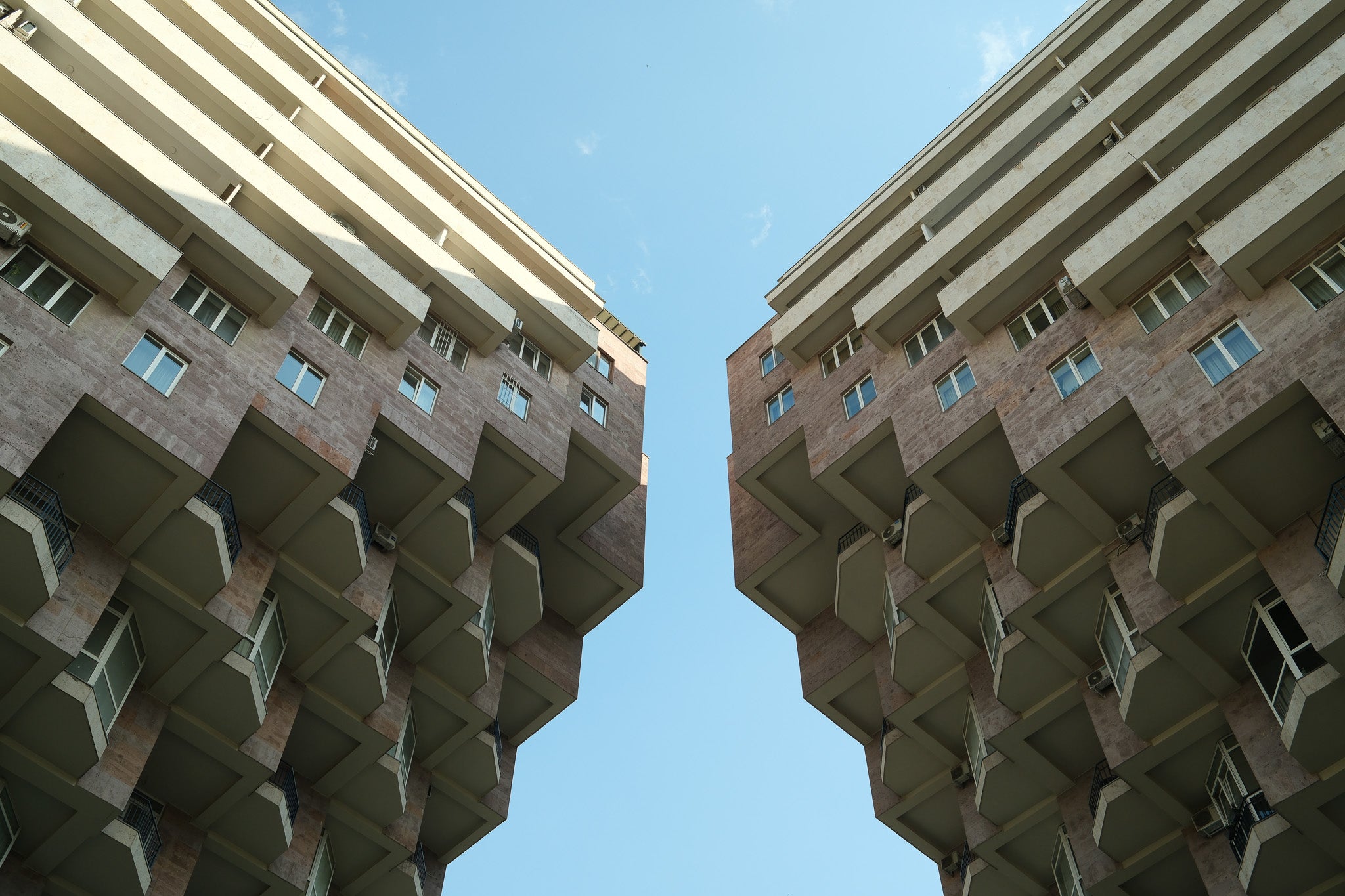
During a visit in June it is clear Yerevan offers a history that hasn't been polished or erased, not only in the museums but in everyday life. The USSR may have collapsed in 1991, but here its architectural fingerprints remain. Massive apartment blocks still dominate the skyline and mosaics survive on walls.
Morgan Bourven works for Young Pioneers Tours, specialising in trips that include North Korea and other ‘Red Tourism’ destinations, he says that the popularity is being driven by the gradual disappearance of Soviet heritage, creating a sense of urgency among travellers. Belarus is currently Young Pioneers’ most popular destination, due to its access to the Chernobyl Exclusion Zone which is off limits from neighbouring Ukraine.
Asked about if there are any dangers in the rise of Red Tourism, Morgan adds: “The main danger is probably social rather than physical. Wearing a USSR T-shirt in certain former Soviet countries can attract some negative reactions, particularly in places where memories of that period remain painful.
“More broadly, I think there is occasionally a tendency for people to romanticise or oversimplify the past. The best red tourism should encourage understanding rather than nostalgia. The aim is to learn about history, not celebrate it; and definitely not teach the locals how they should feel about their own past.”
Soviet times are just one small part of the country‘s often tragic history. A trip to the excellent and emotional Armenian Genocide Museum show the mass killings at the hands of Ottoman Empire soldiers during the First World War are still very much fresh in the minds of those who live here.
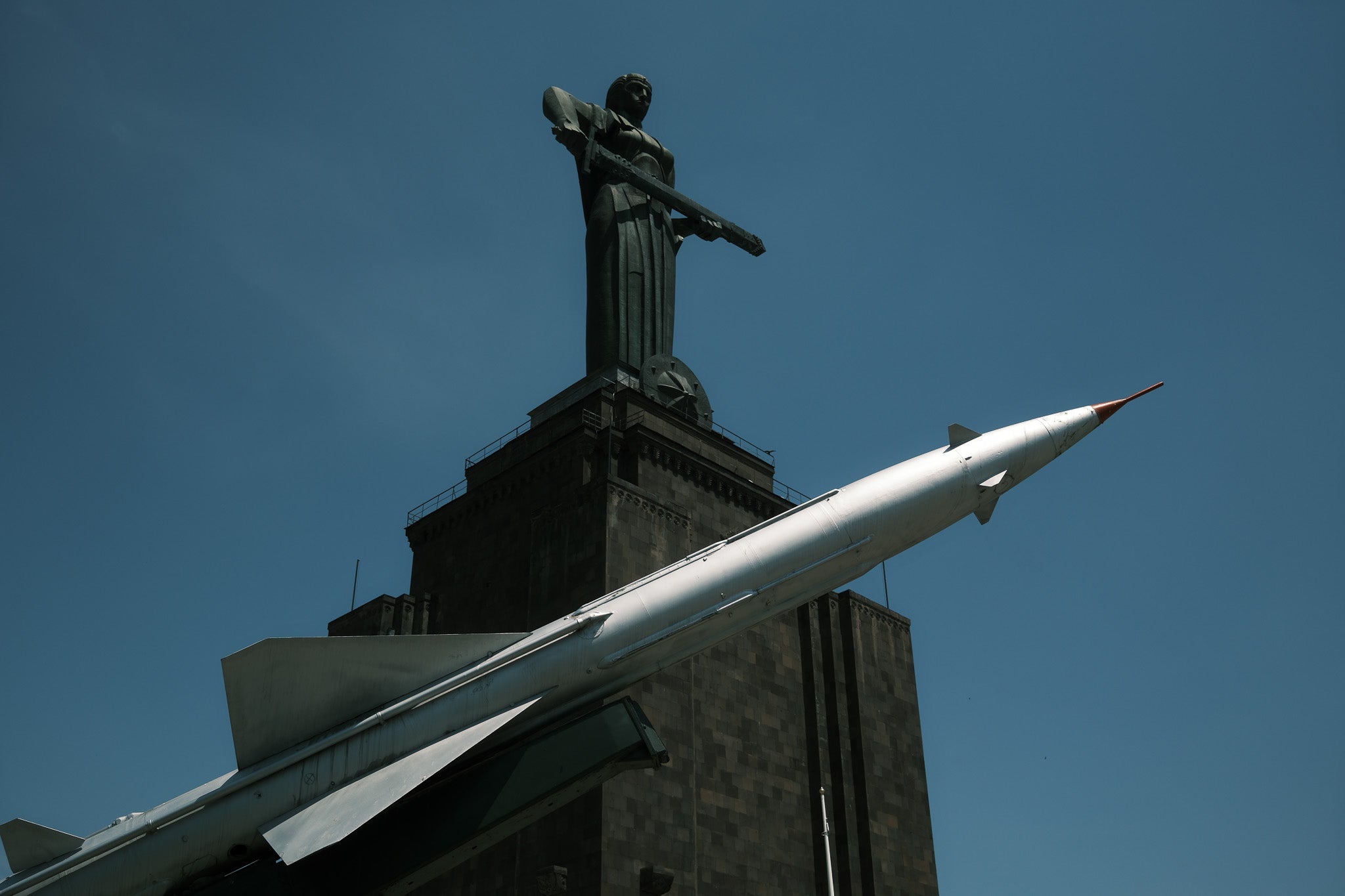
And Mother Armenia, a 50-metre-tall monument and museum overlooking the city, serves as a reminder that the country and neighbouring Azerbaijan are in a period of fragile peace following a decades-long conflict over the disputed Nagorno-Karabakh region. Tributes to those who died can be seen in artworks across Yerevan.
Read more: Inside Europe’s undiscovered gastronomic haven of £2 wine and low-cost food
Sitting between Iran and Europe, you can’t talk about the country without its past, but Armenia is far from trapped in it.
Just doors away from ancient churches – Armenia was the first to officially adopt Christianity – digital nomads tap away in minimalist coffee shops, beneath exposed brickwork that wouldn’t be out of place in East London. Tech startups fill renovated buildings and young Armenians discuss LA, Amsterdam and Barcelona with foreigners over flat whites. Arnenia regularly finishes high up in the list of best for digital nomads, not surprising for a country with one of the largest diaspora on earth.
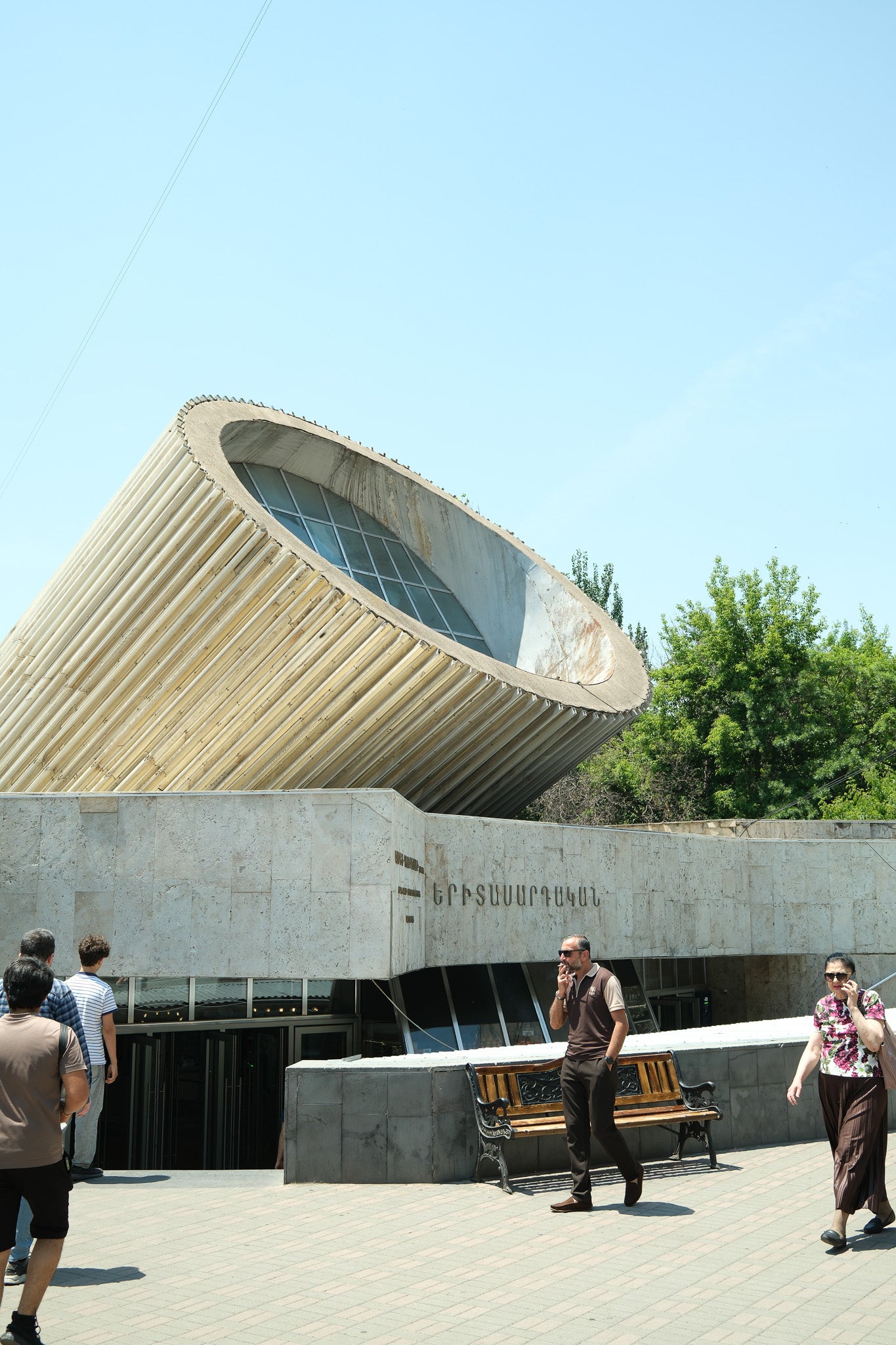
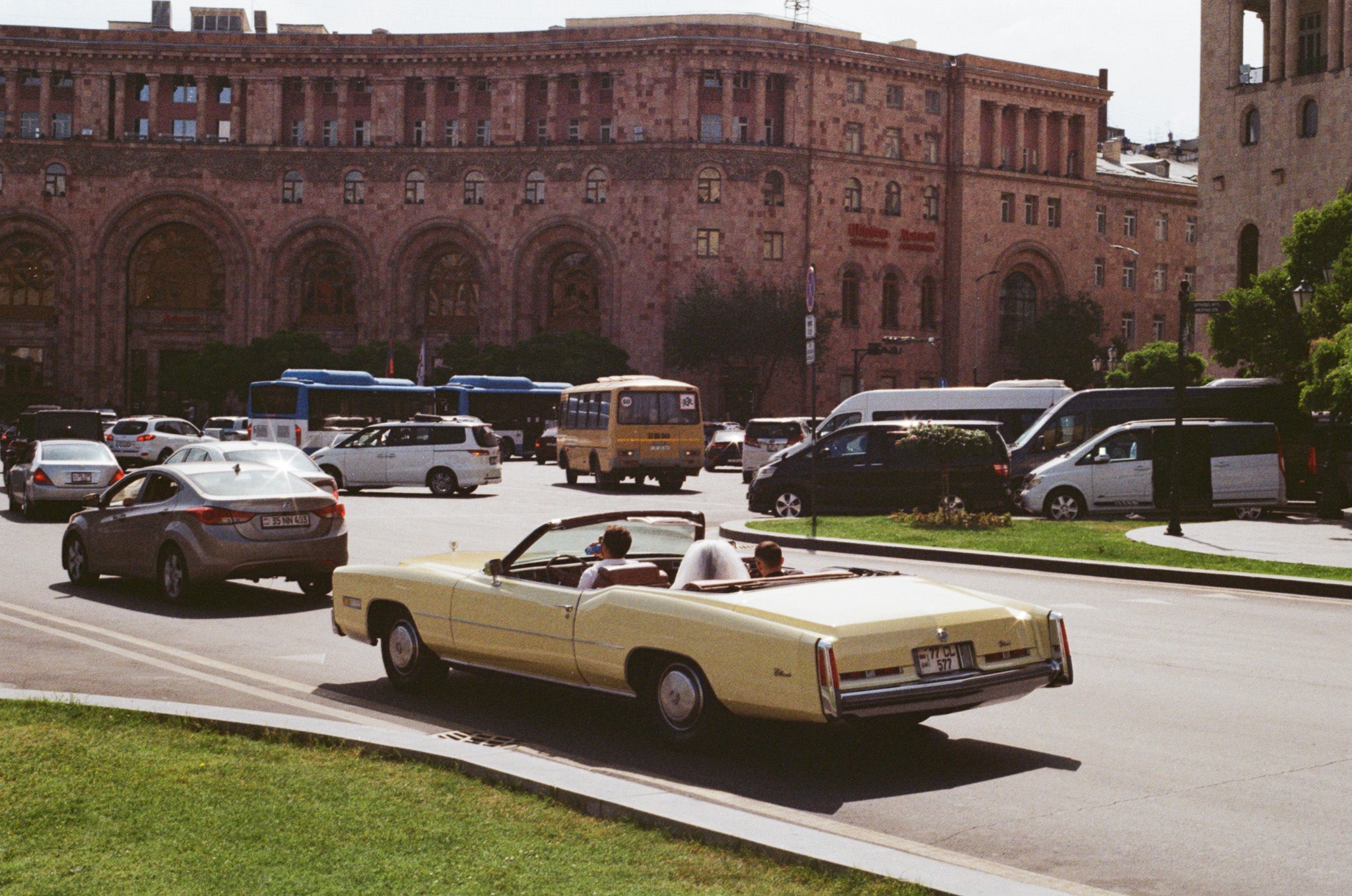
On Republic Square, shiny Teslas glide alongside ageing Ladas that appear to have survived for years untouched.
On warm evenings, tables spill onto pavements and remain busy long after sunset. The youthful population gives central Yerevan an energy, often found in cities that have endured a dark history, that feels distinctly European. Later at night the Paulaner Beerhouses, Armenian jazz clubs and English pubs pack out with locals and travellers.
For those looking for gifts without Stalin’s face you also have flowers, by the bucket load. And, much like the rest of the city, these also have a story to tell.
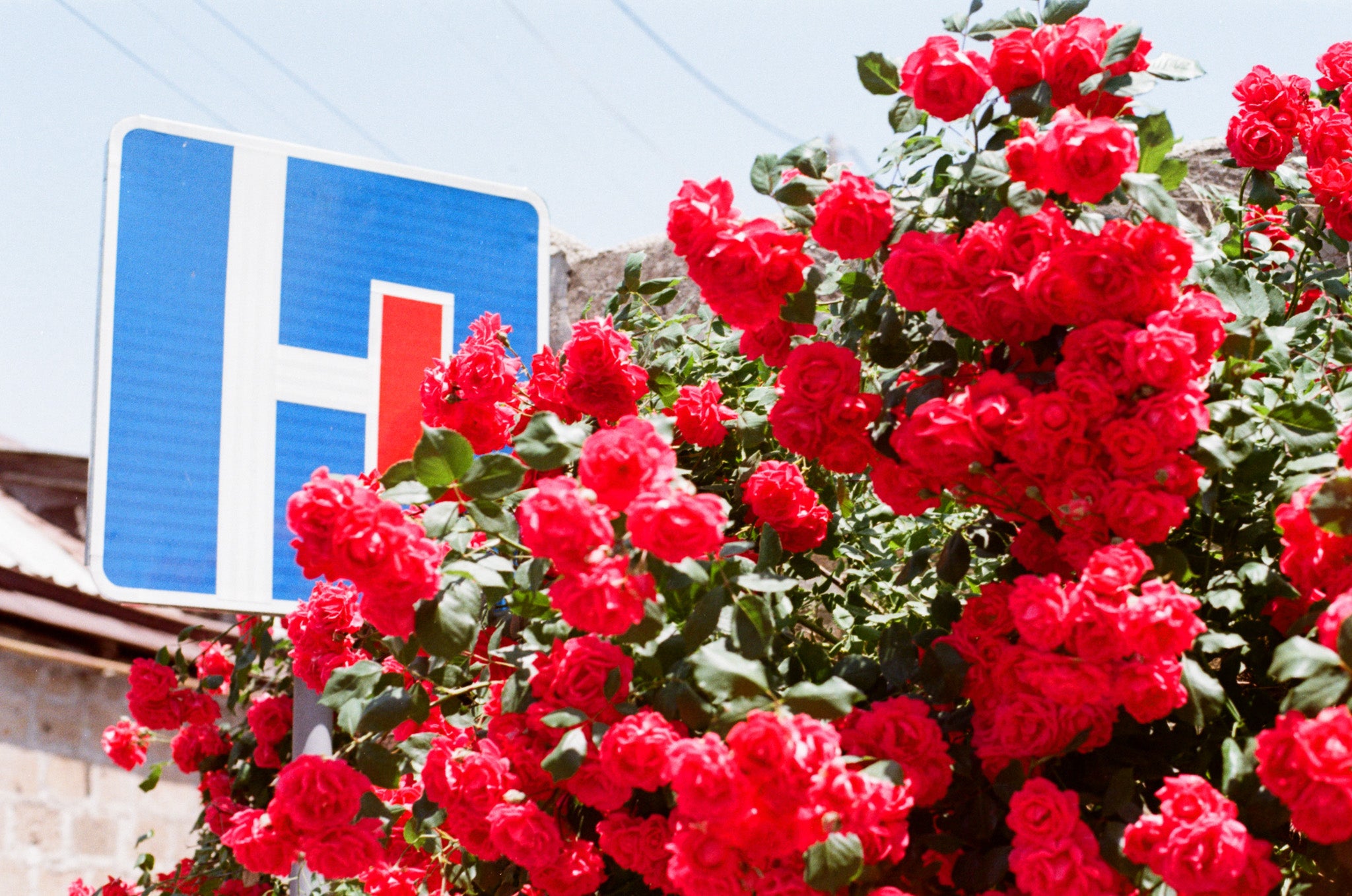
The roses and flower sellers emerge from kiosks and shop windows. Blooms stand to attention outside supermarkets and train stations, and arriving at Yerevan airport you can’t move for floral welcomes. Even late at night, locals stroll with enormous bouquets. Entire shopfronts disappear beneath blankets of flowers and roses seem to grow easily from any patch of earth that will have them.
Armenia is a flower-growing powerhouse, taking advantage of more than 300 days of annual sunshine that peaks in August.
Read more: Turkey’s best budget train ride is an 800-mile journey east
The buds are also political, with Russia banning flower imports from Armenia in May 2026, disrupting the trade that historically supplied a huge amount of Putin’s home country tulips and roses. The restrictions are seen as political retaliation amid Armenia's push for closer ties to the EU, although Russia claimed it was due to pests within the flowers. These ties are now even closer after the result of an election in June that coincided with my visit to the city. Prime Minister Nikol Pashinyan's centrist Civil Contract Party won with 49.8 per cent of the vote, in a move billed as a step to the West.
The export issue now adds to an endless supply of affordable roses that flood the ‘Pink City’ built from volcanic stone.
FACTBOX - YEREVAN’S OFF THE BEATEN TRACK TOURIST ATTRACTIONS
Mother Armenia - A 50-metre-high monument of Josef Stalin was unveiled in 1950 on the hill over Yerevan. In 1961, the Stalin part was pulled down and Mother Armenia was put in its place. Today a military museum is found within the plinth and tanks and missile launchers can be found in the square outside.
Giant Jesus - A huge statue of Christ, set to be the largest in the world, is currently being planned for the mountains around Armenia, with some controversy. The workshop where the huge statue is being built has become an attraction in its own right, looming over the village of Zovuni.
Levon’s Divine Underground - Levon was asked by his wife to build a potato cellar under their house on the edge of Yerevan. And he kept on digging for, for 23 years. Today the tunnel complex is run by his family as a tribute to Levon and his project.
Lake Sevan - About an hour drive from Yerevan is a huge fresh water high altitude lake. On a peninsula over the lake site an ancient monastery dating to the 9th century and just below it sits a previous Soviet-era Writers' Resort not doubling up as a cafe and hostel.
Although, as many locals will tell you, it’s the countryside between the cities that show off the region at its best and the drive would be worth it. Rolling hills, lakes and ancient churches dot the landscape. Highlights include the Temple of Garni, Geghard Monastery, and Azat Canyon - all of which can be seen through driving tours from Yerevan.
The city has food, history and affordable prices (a pint of beer can be found for £2), yet is missing from a lot of travellers' wish lists. That is beginning to change. Recent government data showed that total tourist arrivals for the first four months of 2026 reached 34 per cent growth on 2025, and this is only likely to increase as word spreads into the summer months. Asked by a local at one of the many outdoor dining offers we are asked where we are from and greeted with the ‘You must of come with WizzAir’. The new flights has been widely welcomed and reported.
Food alone may be enough of a reason to fly. Lavash bread arrives fresh from underground ovens and cheap Lahmacun - flatbread topped with minced meat, vegetables, and herbs - are found on most menus. Local wines, historically important, are also enjoying a renaissance.
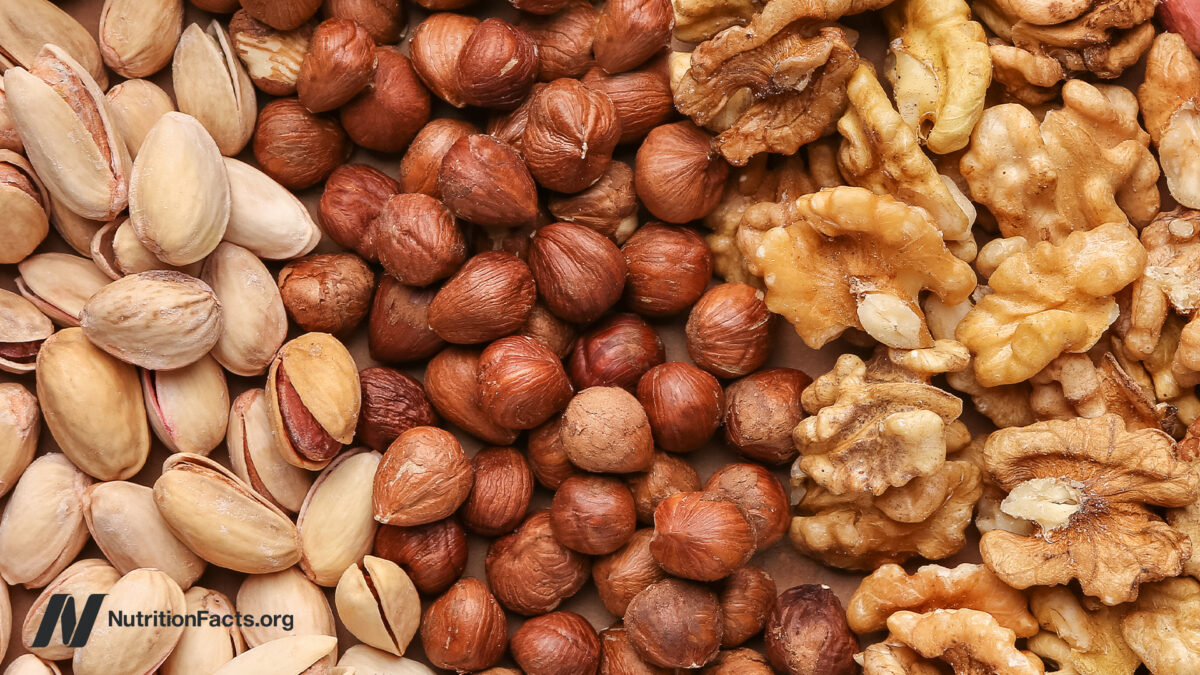
At the food market a short walk from the city centre, mountains of dried fruit create displays so colourful they look staged for social media. Baskets of apricots, figs, walnuts and spices spill across counters.
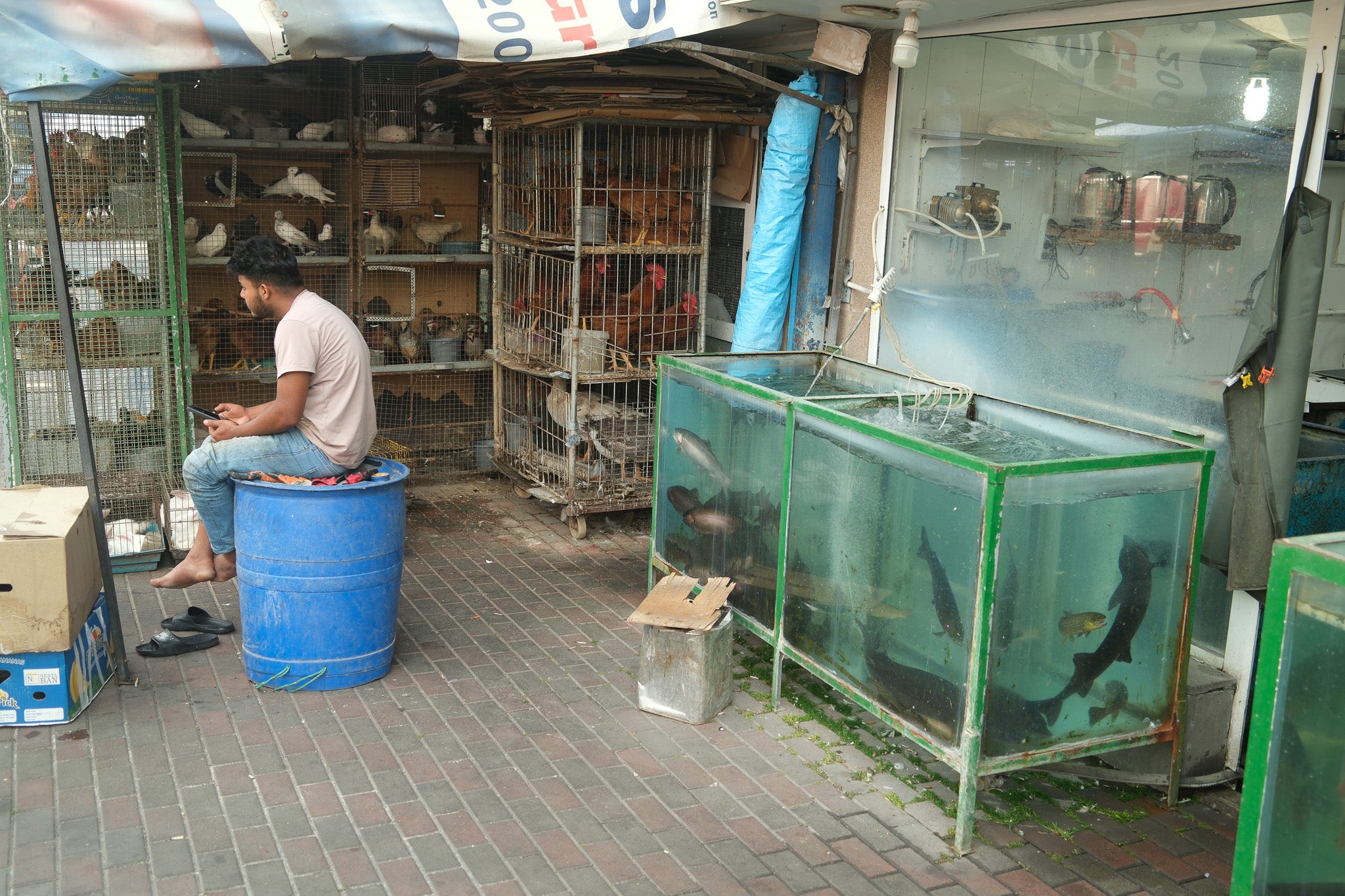
Less photographed is the livestock area where fish thrash in packed tanks while animals including rabbits and ducks sit in cages nearby.
Even within the market, fashion feels effortless in Yerevan, and there is clearly money in the country, with a range of luxury brand shops and hotels in the richer neighbourhoods.
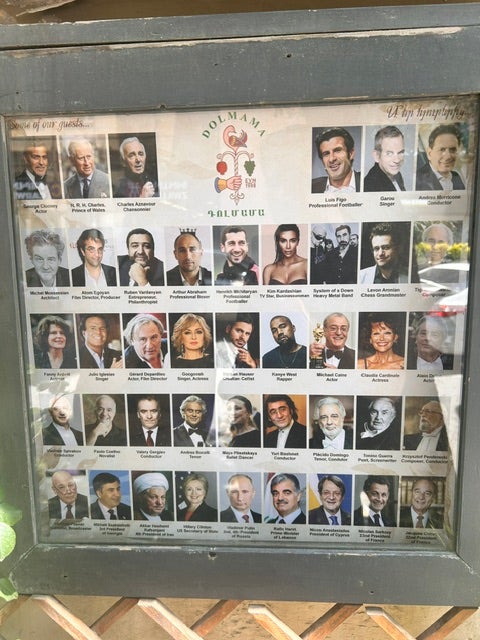
Armenia remains closely connected to the United States with the huge diaspora that includes the Kardashian family. Kanye West played a free impromptu gig in the city during a visit with Kim in 2015. Their photos sit along Hilary Clinton, Vladimir Putin and the Armenian heavy metal band System of A Down of celebrity visitors beside the menu of the popular Dolmama restaurant.
Read more: From pickles to Michelin stars: Exploring Istanbul through its food
Yerevan as a city, despite an increase of tourists, still feels lived in. The authenticity explains why Yerevan resonates so strongly with visitors and locals alike. It doesn't hide its past, and it doesn’t dwell upon it. It is looking forward, embracing the modern world without abandoning tradition.
And as darkness settles over Yerevan, flower sellers continue arranging beneath streetlights while collectors hunt for Soviet treasures a few streets away. Just two of the stories of Yerevan that are becoming increasingly difficult for travellers of all kinds to ignore.
How to get there
June saw the launch of the first direct flights between The UK and Yerevan, with WizzAir creating the first non-stop connection. Flights between London Luton Airport and Yerevan operate twice weekly on Mondays and Fridays throughout the year, with fares starting from £45.99 one way.
Previously you needed connections or a five hour drive from Georgia’s capital Tbilisi.
Where to stay
Hostel rooms are an option for those on a cheaper budget, at roughly £10 a night.
Grand Hotel Yerevan, an historic building built in 1928, located on Abovyan Street, the main street in pre-Soviet Yerevan. Rooms cost around £120 a night.
At the high end is The Dvin, a huge sprawling resort a walk away from the centre. The hotel offers luxury suites and a tennis court, rooftop bar and infinity pool with city views. It also includes The Stage restaurant with live music and dance. Rooms start from £200 a night.
Yerevan, like most capitals, has all the chain hotels you would expect, including Hilton, Marriott and Best Western.
Rich was a guest of WizzAir, travelling on the airline’s first flight from London Luton to Yerevan.