The Dharma of the Nervous System
The Buddha’s teachings and modern trauma healing find common ground in embodied awareness. The post The Dharma of the Nervous System appeared first on Tricycle: The Buddhist Review.
 Lynk
Lynk
Hospitals are a difficult place for me to enter. Years of painful personal history have made them that way, and despite the work I’d done to heal it, walking through a hospital lobby recently, I found myself suddenly tearful, heart pounding, hands trembling. I sat down, pressed my feet to the floor, found a soothing nature photograph on the wall, and began to breathe more consciously—naming the sensations and emotions as they arose, noticing how each was already changing in quality and intensity, moment by moment. I texted a brief description of where I was and what was happening to two close friends, not seeking any response but simply for the steadying effect of love and connection. Within minutes, the waves had passed.
I wish I could say it was sheer willpower that got me through the experience, but really it was a set of learned skills drawn from two complementary traditions: Buddhist meditation practice and Somatic Experiencing (SE), a body-based approach to trauma healing. I’ve spent decades in both, and what strikes me is how naturally they speak to each other. While my deep engagement with Buddhism did not heal the severe trauma I faced in adulthood, Buddhist teachings and practices were excellent preparation for the body-based Somatic Experiencing trauma healing treatment I discovered later.
Consider one of the Buddha’s most famous sayings, “I teach one thing and one thing only: suffering and the end of suffering.” This popular saying, as the scholar-monk Bhikkhu Bodhi has pointed out, isn’t found verbatim in the Pali canon; it’s a mistranslation that has taken on a life of its own. But its sentiment is sound, and it resonates with anyone working with trauma. The four noble truths name the inescapable suffering of human existence and, crucially, affirm that its causes are knowable and that liberation from it is possible. Trauma, though rarely specified in classical lists of painful states, is increasingly recognized by Eastern and Western Buddhist teachers as an intense form of dukkha, one embedded in many experiences of human suffering.
What is less appreciated is how thoroughly the Buddha understood suffering as a bodily phenomenon. In the Satipatthana Sutta, breath awareness and body awareness are described as foundational to cultivating mindfulness and fostering inner freedom. The teaching includes practices for developing awareness of body positions, physical sensations, and the inherent impermanence of bodily experience, an impermanence that, as I experienced in that hospital lobby, can be tracked in real time through sensation itself. In Buddhist teachings, awareness of the body is inseparable from understanding the mind and emotions. This is also, it turns out, in alignment with modern somatic approaches to trauma healing.
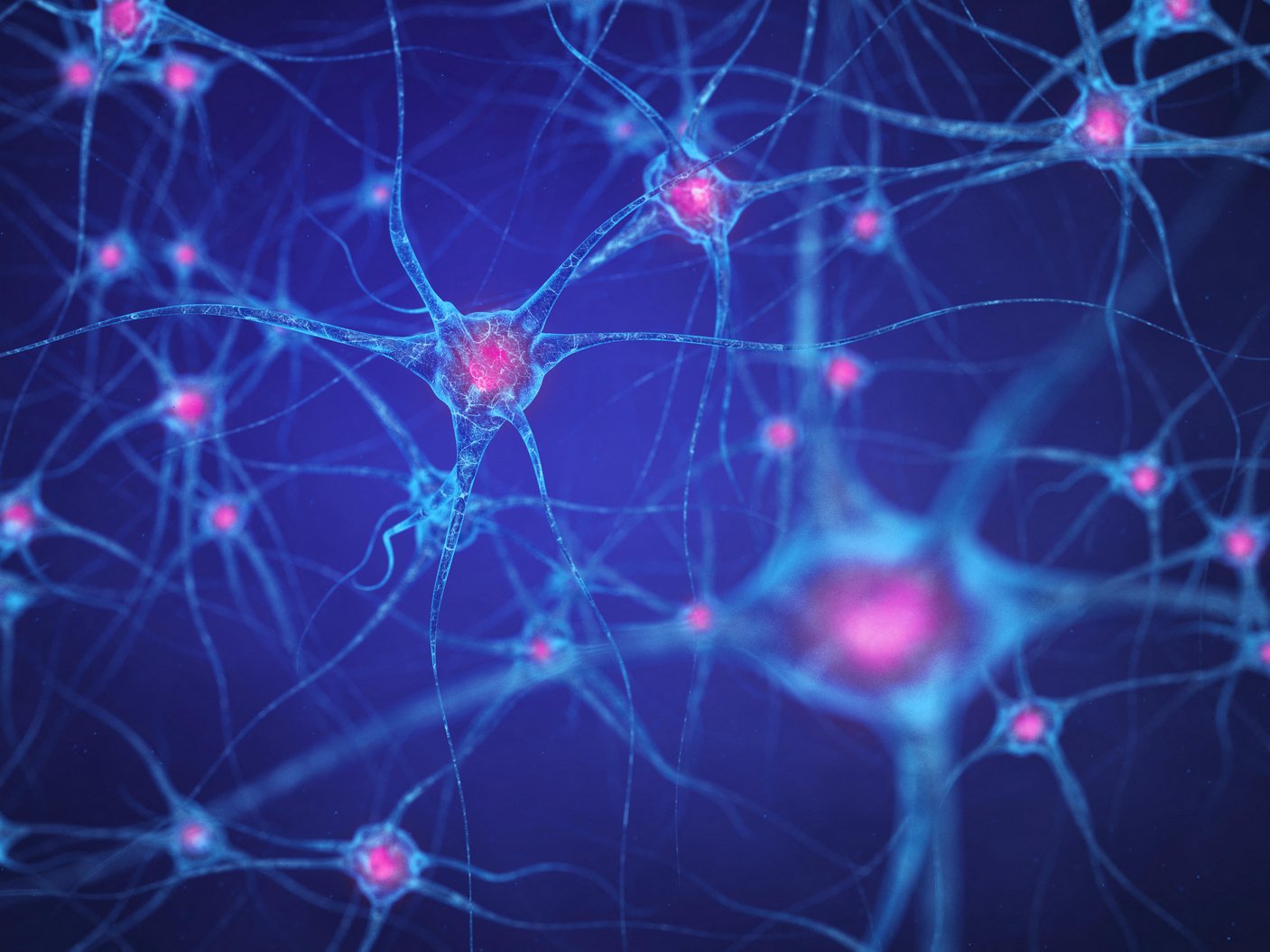
Peter Levine, the founder of Somatic Experiencing, has cited the four noble truths as a framework for understanding trauma and its resolution, recognizing, as the Buddha did, that suffering has identifiable causes and that freedom from it is possible. “Trauma,” Levine writes, “is perhaps the most avoided, ignored, denied, misunderstood, and untreated cause of human suffering.” SE draws on neuroscience and the physiology of the mind-body relationship to address that suffering directly, understanding trauma as a physiological injury to the autonomic nervous system.
The definition of trauma used in SE is “a perceived life threat under circumstances of helplessness.” Perceived means the assessment of danger is entirely subjective; different people will react differently to the same or similar events. The life threat need not be literal—it can extend to psychological well-being, identity, or to anyone, any place, or anything deeply cherished. The helplessness factor is equally integral: If a person can take effective action in response to a perceived threat, the experience is unlikely to be traumatizing. As physician and trauma specialist Gabor Maté puts it, “Trauma is not what happens to you, it’s what happens inside of you as a result of what happened to you.”
What happens inside is that our autonomic nervous system sustains physiological injury from overwhelming experiences. Our physiology is the platform for emotional, psychological, and cognitive functions, which, in turn, shape perception, behavior, and the meaning we assign to our experiences. The injury of trauma can therefore have far-reaching consequences, affecting physical and mental health, personal relationships, and the ability to engage with life. Trauma also has a political and social context: Systemic oppression and the microaggressions of discrimination ensure that members of oppressed groups face continuous exposure to potentially traumatizing events.
Feeling and naming bodily sensations, and sustaining attention as they change, offer a direct experience of impermanence in real time.
Our nervous system physiology is an evolutionary inheritance; the body’s assessment of and responses to safety, danger, and life threat operate largely below the level of conscious awareness. When faced with perceived danger, the brain and adrenal glands flood the body with neurochemicals and hormones to power immediate physical action—the sympathetic nervous system’s fight-or-flight response, which quickly mobilizes the body. With a successful fight-or-flight response, those chemicals are metabolized to fuel cardiovascular, pulmonary, and muscular mobilization. Once used up, the organism can return to a state of relaxed alertness. If fight-or-flight is not possible or is thwarted, the organism falls into the freeze response of immobilization, the survival mode of last resort. The chemicals produced to fuel mobilization get locked in the body, and if not gently released after the threat has passed, cause chronic nervous system dysregulation: the constellation of symptoms commonly called post-traumatic stress disorder, or PTSD.
As the Buddha understood the primacy of breath and body awareness, Levine likewise insists that “physical sensations are the very foundation of human consciousness.” SE recognizes interoception, awareness of physical sensations arising from within the body, as integral to trauma resolution. Interoceptive skills allow us to perceive, name, and track sensations from our muscles, joints, and visceral organs. This experience of embodiment involves refining capacity for sensation, the only language the body knows. Feeling and naming bodily sensations, and sustaining attention as they change, offer a direct experience of impermanence in real time. Tracking physical sensation in this way can decrease the intensity and thus the distress of moments of suffering, and awareness of sensation during pleasant moments can amplify our experience of ease, joy, and contentment.
SE treatment is not a prescribed formula or linear process; the pace is slow and the unfolding gentle. The practitioner’s self-regulation and observational skills help the client understand and regulate their nervous system by attending to spontaneous patterns of breathing, heart rate, facial expression, hand gestures, and body movements. Silence is valued as much as speaking, nourishing reflection, and allowing time to fully experience and integrate bodily experiences. Imagination also plays a central role. In a process called SE Renegotiation, a memory of a past event is combined with present-moment awareness, including self-expressive vocalizations and self-protective movements. Effective self-protection that was thwarted in the past can be completed in the present. Physiological shock is gently released, regulation is restored, and the experience of agency can repair the original helplessness of trauma.
I felt, at times, that Buddhism had somehow failed me, or, more likely, that I had failed Buddhism.
Trauma survivors often wish to return to who they were before overwhelming experiences changed them. Understandable as that is, it is not possible, nor is it the goal of trauma resolution. Effective resolution brings us into embodied safety, enhanced self-awareness, and greater self-compassion, qualities that increase vitality and meaningful engagement with life. This, too, is what the dharma has always taught: that freedom from suffering is possible, and that it includes embodied presence as we move forward in our lives with greater ease and inner peace. For many, there is a spiritual component to this process of exploring one’s authentic place in the fabric of life.
After a series of traumatizing experiences in my adult life, I found that decades of Buddhist practice, as transformative as they had been, could not fully reach what was locked in my nervous system. Buddhist teachings had helped me be more present with suffering and had deepened my awareness of the mind-body relationship—and yet my physiology remained stuck. As a dedicated Buddhist practitioner and vipassana teacher, it was profoundly painful to find that the teachings I had relied on for decades could not heal what I was carrying. I experienced a fragmentation of identity, an unexpected collision with who I knew myself to be and what I relied upon and trusted in life. I felt, at times, that Buddhism had somehow failed me, or, more likely, that I had failed Buddhism.
My first Somatic Experiencing session as a client was a turning point: the restoration of hope, the beginning of a healing journey toward integration and wholeness. SE expanded my understanding of trauma as a distinct form of suffering and showed me how to bring the body more fully into the healing process. I no longer frame my inability to resolve trauma through Buddhist practice alone as a failure of any kind. Buddhism was the foundation; SE showed me how to work with what the mind-body system was holding. The two paths are not only compatible but genuinely complementary—and the body, given the right conditions and support, can find its way to health and liberation.
Three Practices for Embodied Awareness
The following practices engage mindfulness of breath, voice, and body movement, capacities that have been central to Buddhist teachings since the time of the Buddha. We can find them in everything from the Satipatthana Sutta to lay and monastic chanting practices. The convergence is not incidental. These are the body’s own ways to regulate the nervous system, settle the mind, and cultivate the clarity and freedom to express our innate qualities of kindness, compassion, equanimity, and joy.
Voo Vocalization
Breathe normally, become aware of your inhalations and exhalations. Take a full inhalation, then make the sound voo (rhymes with zoo) for the full length of the exhalation, feeling the vibration as you do so. The sound ends when the outbreath ends. Notice how the lungs naturally fill on the next inhalation after being completely emptied with the voo sound. Rest briefly, repeat if you like, then pause for thirty to sixty seconds to notice any changes in body and mind.
The vibration of this sound is physiologically soothing to the dorsal vagus nerve, which originates in the brain stem and travels through the neck and chest to the heart, lungs, and abdominal visceral organs. This vagus nerve is the primary channel of communication between body and mind, and once engaged by the voo sound, it carries a message of increased well-being from the organs to the brain. Many people experience physical relaxation, fuller breathing, and mental calmness with this practice.
Push Hands Gesture
When you feel frustrated, angry, or unable to express or defend yourself—or simply remember feeling that way—bring your hands up in front of your shoulders, palms open and facing forward. Very slowly push your arms forward, engaging the arm muscles. You can add a vocalization: a growl that engages the jaw, or the word “STOP!” or “NO!” When the arms reach full extension, hold for a few seconds longer until the gesture feels complete. Let the arms and hands soften and rest in your lap. Pause for thirty to sixty seconds to notice any changes in body and mind, and to sense whether your body would like you to repeat this gesture.
When the nervous system assesses danger or threat, the body responds with muscle tension, constriction, and increased respiratory and heart rates. This sympathetic nervous system activation is a necessary response to acute danger, enabling immediate physical mobilization for self-protection, and is equally triggered by acute or chronic stress. The push hands gesture allows the energy of anger or fear to be recognized, engaged, and gently released in ways that protect health and do not harm oneself or others.
The Face-Heart Connection
Gently place one hand on either side of your face, palm and thumb resting near the jawbone, fingers spread slightly across the cheek. Place your other hand on the upper chest, in the area of the heart. Let your shoulders, arms, and hands settle into this position for two to three minutes. Notice any small changes toward soothing, settling, or calming in body and mind.
This practice engages the Social Engagement System (SES), the branch of the autonomic nervous system that is active when we feel safe. The SES consists of nerves in the face, head, and neck that govern facial expression, voice, hearing, and the small head movements of social and emotional responsiveness, as well as the ventral vagus nerve, which travels from the brain stem to the heart. When the SES is active, we feel safe, curious, and open. Gentle touch on the face and heart directly supports this physiology.
These Somatic Experiencing practices have been part of my own healing for many years, including that afternoon in the hospital lobby, feet pressed to the floor, breathing stabilizing, waves of activation passing.