The Simple Change That May Help You Live Longer After Diabetes
A diabetes diagnosis may be the moment when one everyday change starts to matter a whole lot.
 Fransebas

Author:
September 02, 2026
Image by Sarah Thomas-Drawbaugh / Sarah Thomas-Drawbaugh September 02, 2026 Getting a type 2 diabetes diagnosis can change the way you think about food overnight. Suddenly, everyday choices like what to put on your plate can feel loaded, especially when you're trying to manage blood sugar while also figuring out what a "healthy" diet is supposed to look like. The good news is that you don't have to have had a perfect diet before your diagnosis to make meaningful changes now. In a recent analysis of eating patterns1, researchers followed thousands of people with newly diagnosed type 2 diabetes for more than two decades to see how their eating habits changed over time and what those changes meant for their health.
About the study
Diet quality is already well studied in diabetes prevention, but researchers know less about what happens when people change how they eat after developing type 2 diabetes.
That's what this analysis set out to explore.
The researchers looked at 7,795 adults with newly diagnosed type 2 diabetes who were part of the Nurses' Health Study and Health Professionals Follow-Up Study. None had heart disease or cancer when they received their diagnosis.
For up to 24 years, participants reported what they ate every four years. Researchers used those reports to see how closely their diets matched 11 established healthy eating patterns, including the DASH diet and the Planetary Health Diet.
They then compared diet quality with the risk of dying from any cause, heart disease, or cancer.
Improving your diet was linked to a bigger benefit
Over the follow-up period, 3,509 participants died, including 1,079 from heart disease and 649 from cancer. The researchers measured two separate things: how healthy someone's diet was after diagnosis, and how much their diet improved compared with before. Both were linked to living longer, but the improvement mattered more.
People with the healthiest diets after diagnosis had an 8% to 22% lower risk of dying from any cause than people with the least healthy diets, while those whose diets improved the most had an 8% to 37% lower risk, no matter where they started.
Diet improvements were also associated with a lower risk of death from heart disease, while one of the eating patterns was linked to lower cancer mortality.
That doesn't mean changing your diet guarantees a longer life. This was an observational analysis, so it can show a connection between diet changes and health outcomes, but it can't prove that the diet changes themselves caused people to live longer.
Still, the researchers saw similar associations across the different healthy eating patterns they evaluated.
There isn't one perfect diabetes diet
The researchers evaluated 11 established healthy eating patterns, and no single approach clearly came out on top. Each was associated with better survival, even though the diets weren't identical.
They did, however, share some basic principles.
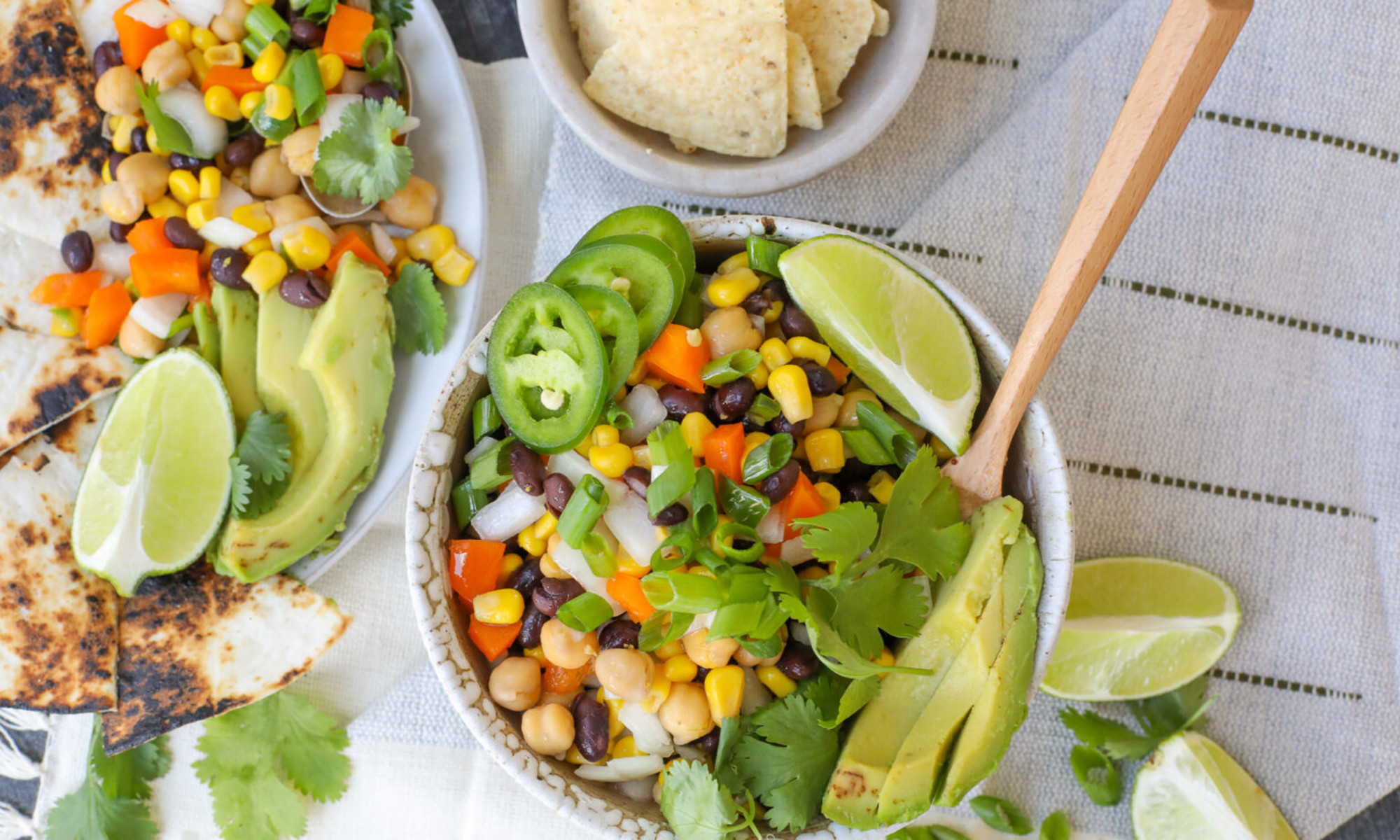
Like other diets linked to longevity, the eating patterns generally emphasized plant foods such as vegetables, fruits, whole grains, legumes, and nuts, while limiting less nutritious foods.
That gives you some flexibility. You don't necessarily need to follow a strict named diet to move toward healthier eating. The goal can be building meals around nutritious foods in a way that works with your preferences, culture, budget, and routine.

Making healthier choices after diagnosis
If you're figuring out how to eat after a type 2 diabetes diagnosis, a few straightforward changes can help you move in the direction reflected in these eating patterns.
The takeaway
For people with type 2 diabetes, improving diet quality after diagnosis was associated with a lower risk of death over the following years. The findings also suggest you don't need to follow one specific eating plan to make your diet healthier.