Valve just gave away the blueprint for its coolest Steam Machine mod
Valve has open-sourced its Inkterface E-Ink faceplate for the Steam Machine, sharing 3D files, BOM, and firmware so anyone can build one.
 Tekef
Tekef

Valve giving away the recipe instead of the dish, and honestly, we're okay with it.
 Steam / Valve
While Valve’s Steam Machine launched at a higher-than-expected price due to the AI-driven chip shortage, it seems that the company is not sitting on its haunches and is still working hard to make the product more enticing to users.
One of the coolest features of the Steam Machine is the user-customizable front faceplate, and Valve has just made it better. The company open-sourced its “Inkterface” project, which allows users to build their own e-ink faceplate for the Steam Machine.
Valve uploaded the full BOM list, 3D print files, and instructions for those who want to build their own E-Ink faceplate for the Steam Machine
“Inkterface” was first shown off alongside the initial Steam Hardware announcements last yearhttps://t.co/9uylbczqg2 pic.twitter.com/MirrJP34Ll
If you have technical skills and access to a 3D printer, you would be able to build your own e-ink faceplate for the Steam Machine.
From 3D files to firmware, Valve left nothing out
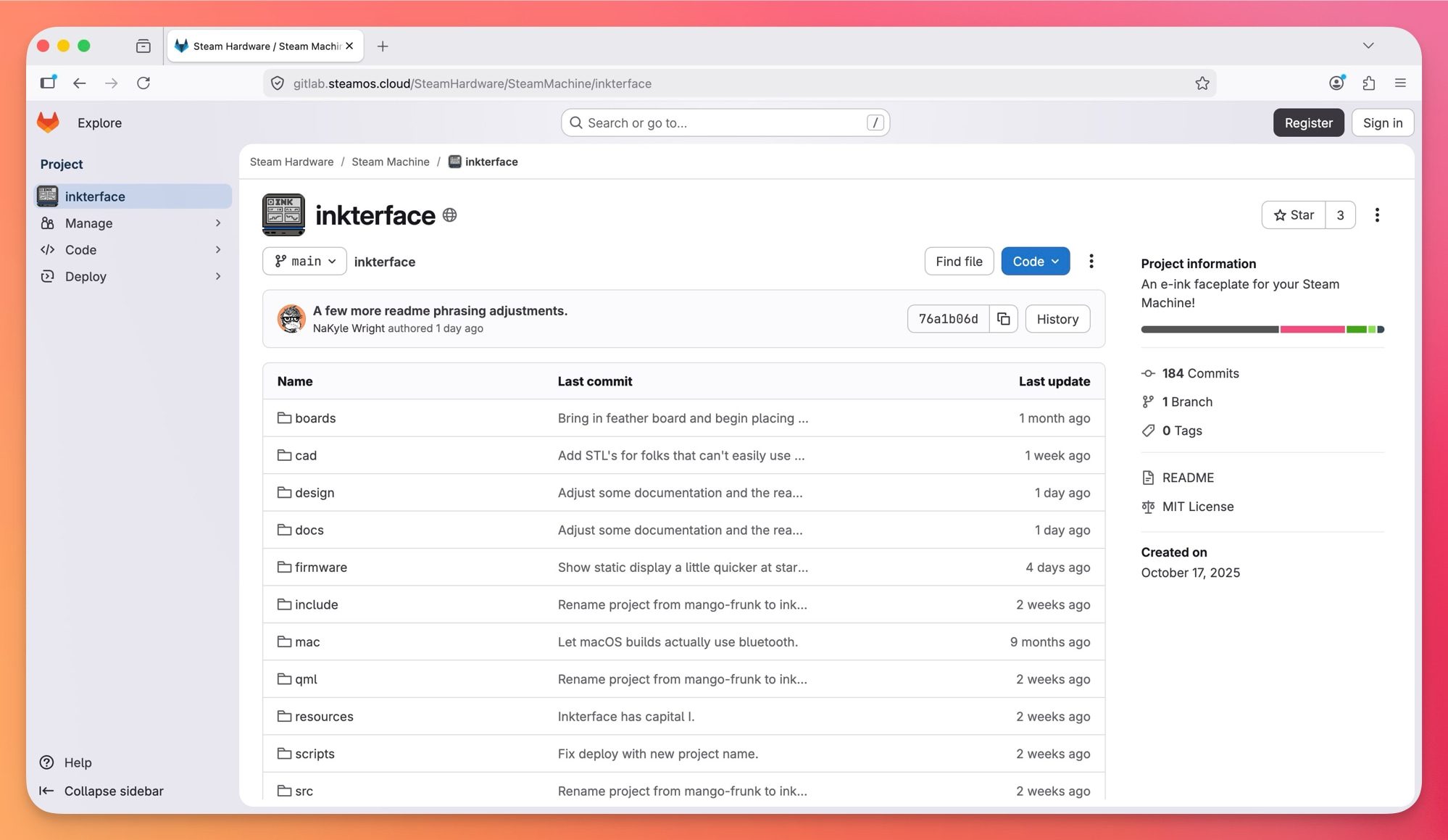
Valve put the full bill of materials, 3D print files, and assembly instructions on GitLab. The parts list includes an Adafruit ESP32 Feather board, an eInk Breakout Friend, a 5.83-inch eInk panel, M2.5 screws, and small magnets to hold it all onto your Steam Machine.
 Valve
Valve
Once you have the hardware, you just need to 3D print the cover, put the pieces together, and flash the firmware onto the ESP32 board. Valve also released an assembly video to walk you through it.
 Steam Machine Valve
Valve says an official companion app is coming to Steam eventually, but it isn’t live yet. Until then, you can build your own AppImage using the instructions on GitLab. Once it’s paired with your Steam Machine over Bluetooth, the faceplate can show real-time hardware stats, custom images, and more.
Why this matters?
Valve had said that the E-Ink faceplate would stay an internal prototype, which left a lot of fans disappointed after seeing it flash CPU and GPU temps at the reveal event. Instead of leaving it there, Valve open-sourced the whole thing for the community to build themselves.
 Jsaux
Jsaux
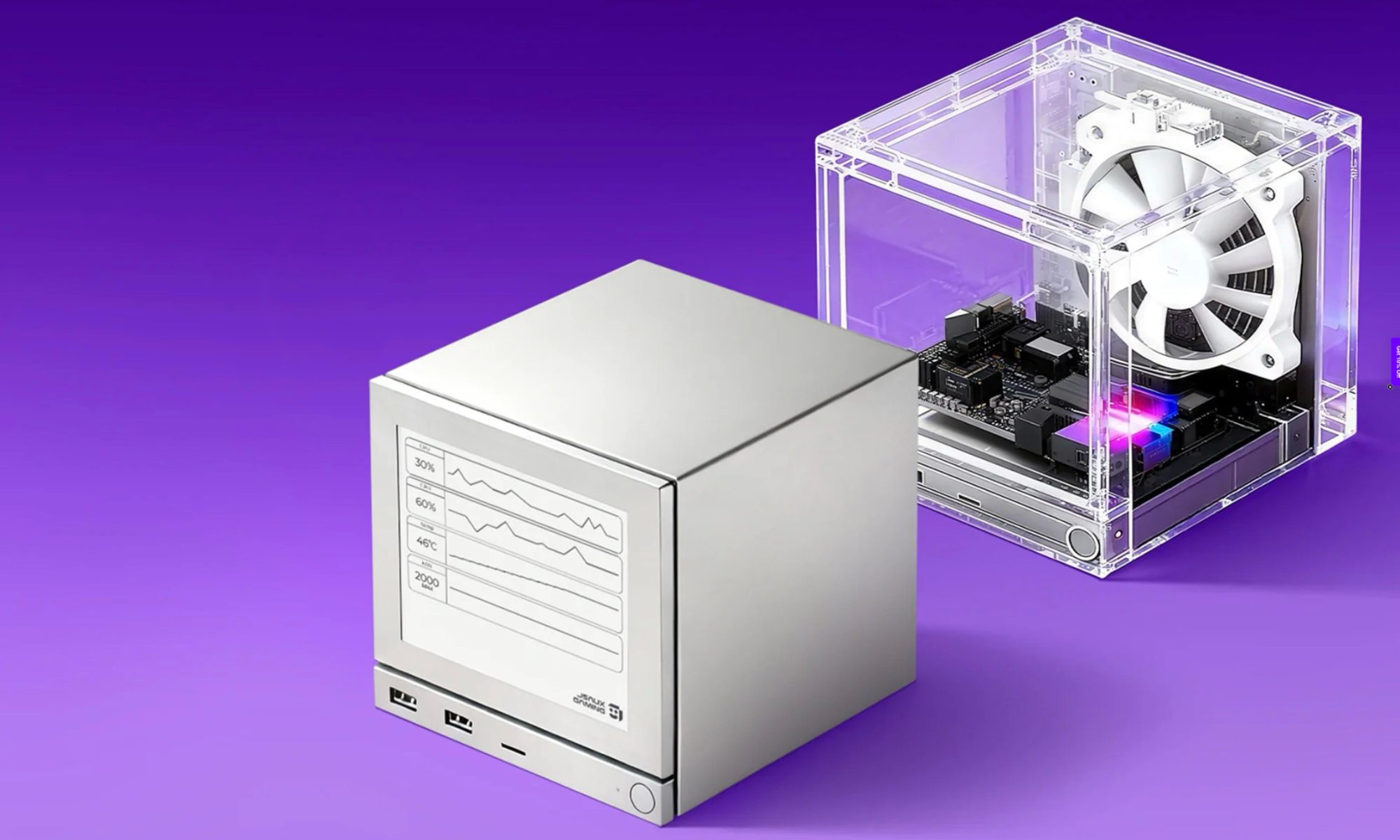
It’s a smart move too, since third-party makers like Jsaux were already teasing their own E-Ink panels for the Steam Machine. Valve basically beat them to it by handing out the recipe for free. If you’ve got a 3D printer, your Steam Machine could soon be flexing live stats right on the front.

Rachit is a seasoned tech journalist with over ten years of experience covering the consumer technology landscape.
Brave’s new Container feature is a lifesaver for anyone juggling multiple accounts
With this feature, you won't need to open three different browsers

Brave has added Containers to its desktop browser, giving users a built-in way to keep different accounts, sessions, and browsing activity separate. The feature is available in Brave 1.92 for Windows, macOS, and Linux, and is rolling out in phases over the next few days.
Containers have been a highly requested feature, especially for users who regularly switch between work, personal, developer, or creator accounts. Once enabled, they let users open tabs in separate spaces where cookies and site storage are not shared outside that container.
Intel may bring back older desktop CPUs because DDR5 is getting too expensive
Older Intel Core CPUs from 10th to 14th Gen may get a second life
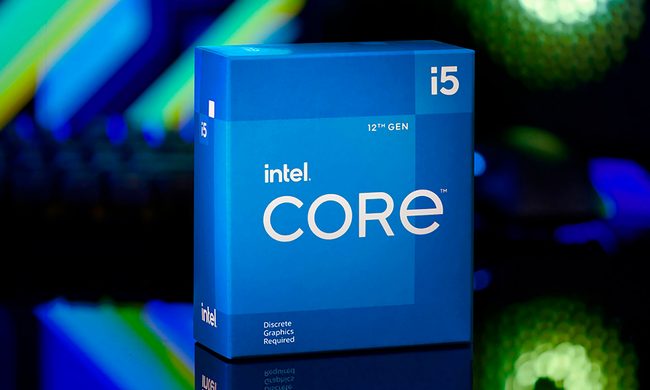
Intel may be preparing an unusual response to the ongoing memory crunch. According to Chinese outlet ITHome, citing ChannelGate, the company’s latest production plan includes restarting production of 13th-gen and 14th-gen Core processors.
The move is expected to increase supply across Intel’s 10th, 12th, 13th, and 14th Gen CPU families, especially in mainland China. For DIY PC builders, the timing is important. DDR5 memory prices have climbed sharply, making newer platforms harder to justify for anyone trying to build an affordable gaming PC.
Amazon wants to design in-house chips for Kindles, Fire TV, and Echo speakers
Apple did it first. Amazon is doing it now, starting with 40 million chips a year and a partner most people have never heard of.

Apple's decision to design its own chips reshaped the consumer electronics industry. Amazon may be about to make the same call, just about two decades later.
Supply chain analyst Ming-Chi Kuo reports that Amazon is preparing to shift away from externally sourced processors for its consumer electronics lineup, marking what he describes as the company's first major processor procurement change in 20 years. The transition is expected to begin in 2027.