When the People Who Care for Others Need Care, Too
It’s 4:15 on a Friday afternoon. The kids are gone. The room is quiet. And you’re still at your desk — not because there isn’t somewhere else to be but because you haven’t quite found the energy to get...
 Aliver

It’s 4:15 on a Friday afternoon. The kids are gone. The room is quiet. And you’re still at your desk — not because there isn’t somewhere else to be but because you haven’t quite found the energy to get there yet.
The whiteboard still has third period’s notes on it. Someone left their ballcap sitting on a chair. There’s a stack of papers on the corner of your desk that will be coming home with you this weekend. And somewhere in your inbox is an email about next week’s field day schedule that you’ve been meaning to read carefully.
The end-of-the-school-year push is real, and you’ve been in it for weeks now — present for every kid who walked through that door, steady when they needed steady, patient when patience was hard. You’re good at this.
You’re also tired in a way that a weekend probably won’t fix.
 You’re not imagining it. The most recent figures from Gallup show that K-12 educators have the highest burnout rate of any profession in the US — higher than first responders. More than half of teachers report feeling burned out often or always. Anyone who’s spent time in r/Teachers on Reddit knows the data just confirms what people are already saying at 11pm on a Sunday night (or noon on a Tuesday, or any other time, for that matter).
Teaching asks something profound of the people who do it. Every single day. Yet what gets offered in response to burnout often manages to somehow still center the students’ needs. Better-regulated teachers produce better-regulated classrooms. Calmer adults mean calmer kids. All that is certainly true. But when the case for your own well-being keeps getting made in terms of what it does for someone else, something important gets lost.
Your nervous system deserves care for its own sake.
We saw this up close and personal once. We offered a workshop built purely around teacher self-care — no curriculum, no classroom applications, just restoration. Almost no one came.
The pull toward being useful, toward justifying the time, runs deep in those of us who have made our careers as helping professionals.
We learned something important from that sparsely attended workshop. The answer wasn’t to keep separating the two things — your wellbeing over here, your professional growth over there. It was to stop pretending they were separate at all.
This summer, we’re offering the opportunity to experience both together.
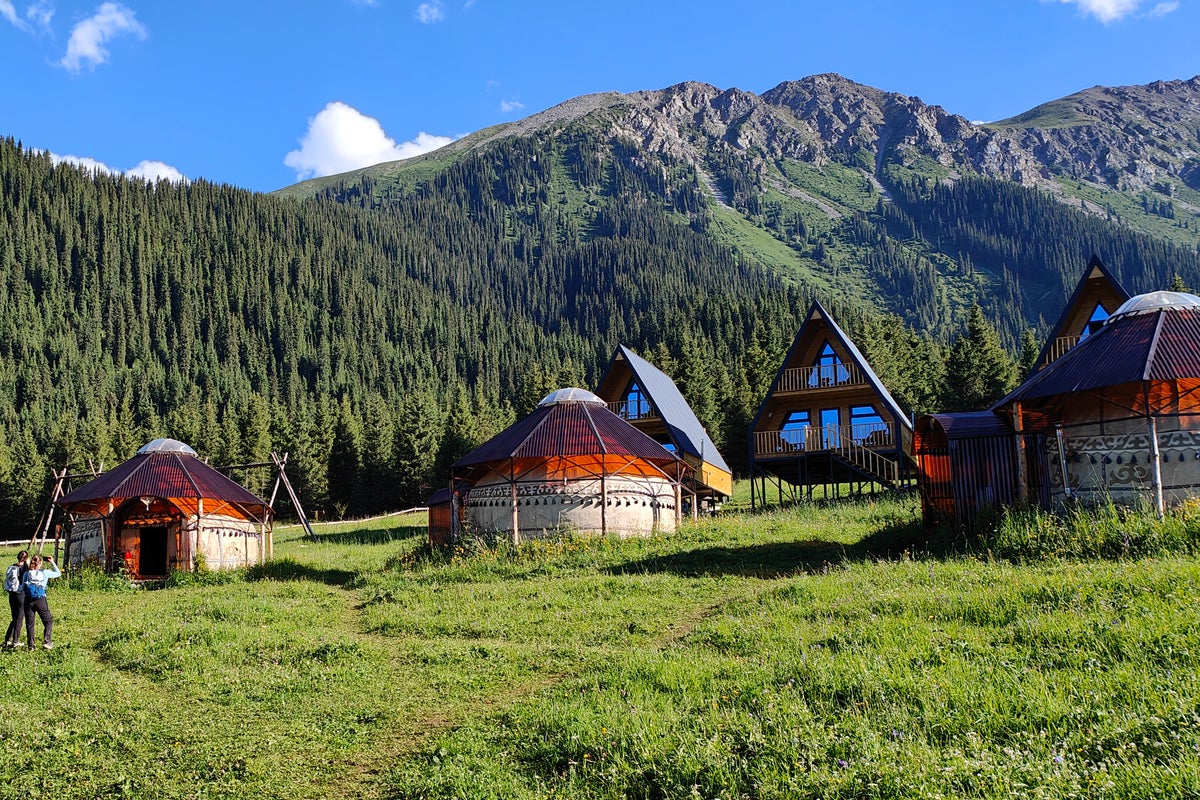
Our Summer Immersion — three days in a retreat-like setting near the Clackamas River and Mt. Hood — is designed for you first. You’ll move, breathe, reflect, and eat well. You’ll spend time in the clean Oregon air, among the Douglas fir and the kind of wild stillness that only a forest can provide: the rush and plash of moving water, the shush of breeze through the tree canopy, the chittering of birds and other wildlife.
Yes, you’ll also come away with tools you can bring back to your students, but that’s almost beside the point. When you’ve felt something work in your own body, in your own nervous system, it changes how you carry it. The giving gets better because you’ve actually been filled.
 Then there’s the part that’s harder to put into words. It’s a certain vibe you experience when a group of people who care deeply about the same work — teachers, counselors, therapists, people who give a lot in settings that don’t always give much back — spends several days together in a beautiful and supportive space. The conversations over shared meals. The quiet between sessions. The sense, maybe for the first time in a long time, of being among people who genuinely understand what your days are like.
It doesn’t take long to feel it. And it tends to stay with you.
The end of the school year is close. If it has you running on fumes, this might be exactly the right moment to do something about it.
Learn more and register here.