10 of Europe’s best road trips, from the North Coast 500 to the Iceland Ring Road
Pack up your car boot and dial your destination into your GPS – it’s time to see some of Europe’s best destinations by driving
 FrankLin
Europe is arguably one of the greatest continents for road trip adventures. Compact-sized countries mean you can escape into the wilderness without being too far away from major towns and cities, and you don’t have to drive very far to stumble upon new cultures, cuisines and landmarks different from the last region you explored.
The diversity of Europe’s landscapes is also evident. From the dramatic coasts of Ireland to the waterfall-pocked inlands of Iceland, the German Alps to the banks of the Danube, some of Europe’s highlights are best viewed on the roads unfurling past them.
As well as excellent road infrastructure in most countries and the expansion of roadside electric vehicle charging, the absence of land border checks between Schengen countries means it’s usually easy to travel around much of the continent without encountering unnecessary red tape.
There are perks to ticking off destinations via road too, such as not having to rely on train timetables, having an entire car boot for luggage and ticking off multiple destinations – whether that's in a region or numerous countries – in one trip.
Whether you want to traverse the length of Portugal or see the best cities along the Croatian coast, there’s a trip for you; we’ve rounded up some of the best below.
1. Wild Atlantic Way, Ireland
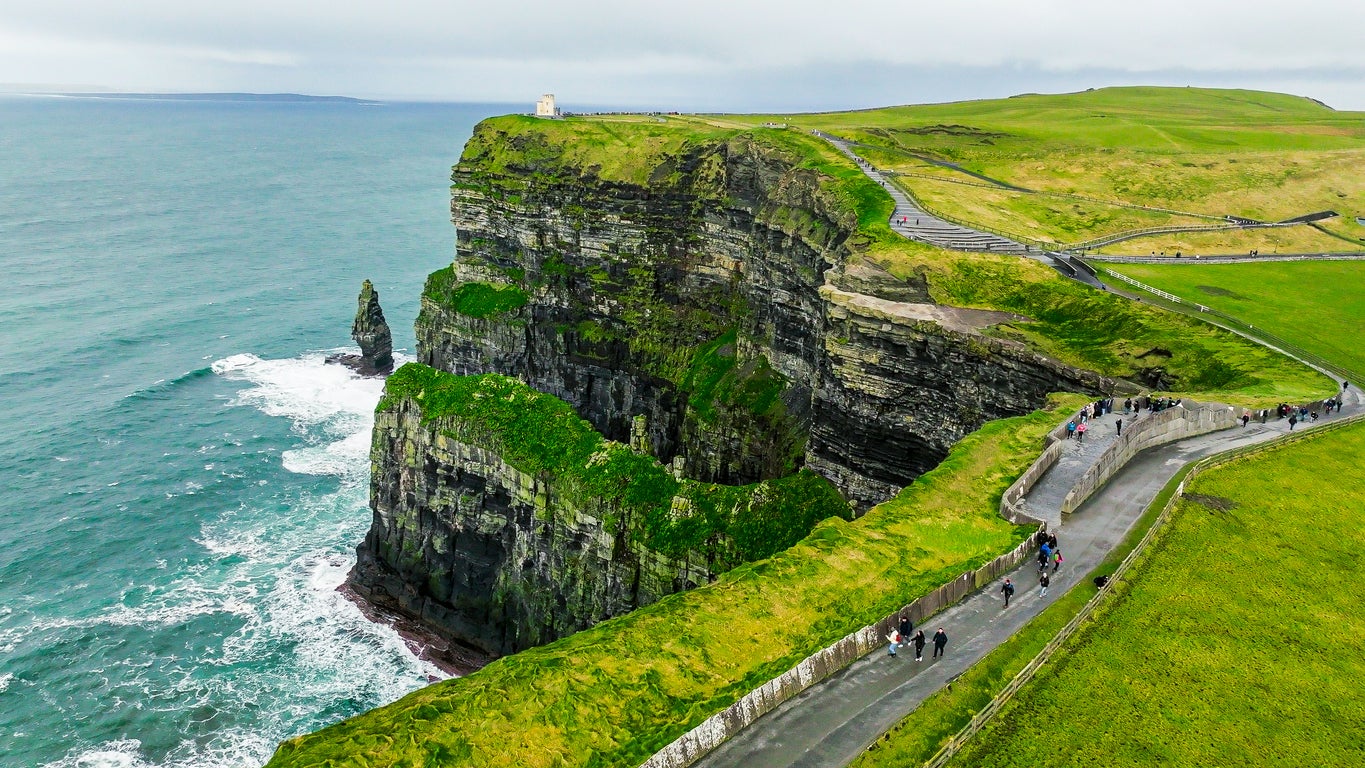
Considering that you can drive from the far north of Ireland to the far south in around eight hours, you’d be forgiven for not believing that the country contains a winding coastal route that is 1,600 miles long. However, the Wild Atlantic Way is just that: 2,600 kilometres of coastal road that stretches from the Inishowen Peninsula in the north to Kinsale in the south. The Way is divided into 14 stages, with notable stops in Donegal Town, Galway, Kilkee and West Cork, among others.
Along the way, you’ll see some of Ireland’s most standout scenery and important natural landmarks. Beaches are in abundance, with Tulland Strand and Barleycove Beach among some of the finest on the route. Other natural highlights include the Slieve League Coast (home to some of the highest sea cliffs in Europe), the Erris section (characterised by spectacular rock formations such as Downpatrick’s Head) and the Cliffs of Moher (one of the country’s most-visited sites). The city highlights are Galway and Cork, before finishing in Kinsale, a charming harbour town with colourful storefronts.
Read more: The family-friendly oasis that is just an hour’s flight away
2. Rome to Naples (via the Amalfi Coast), Italy
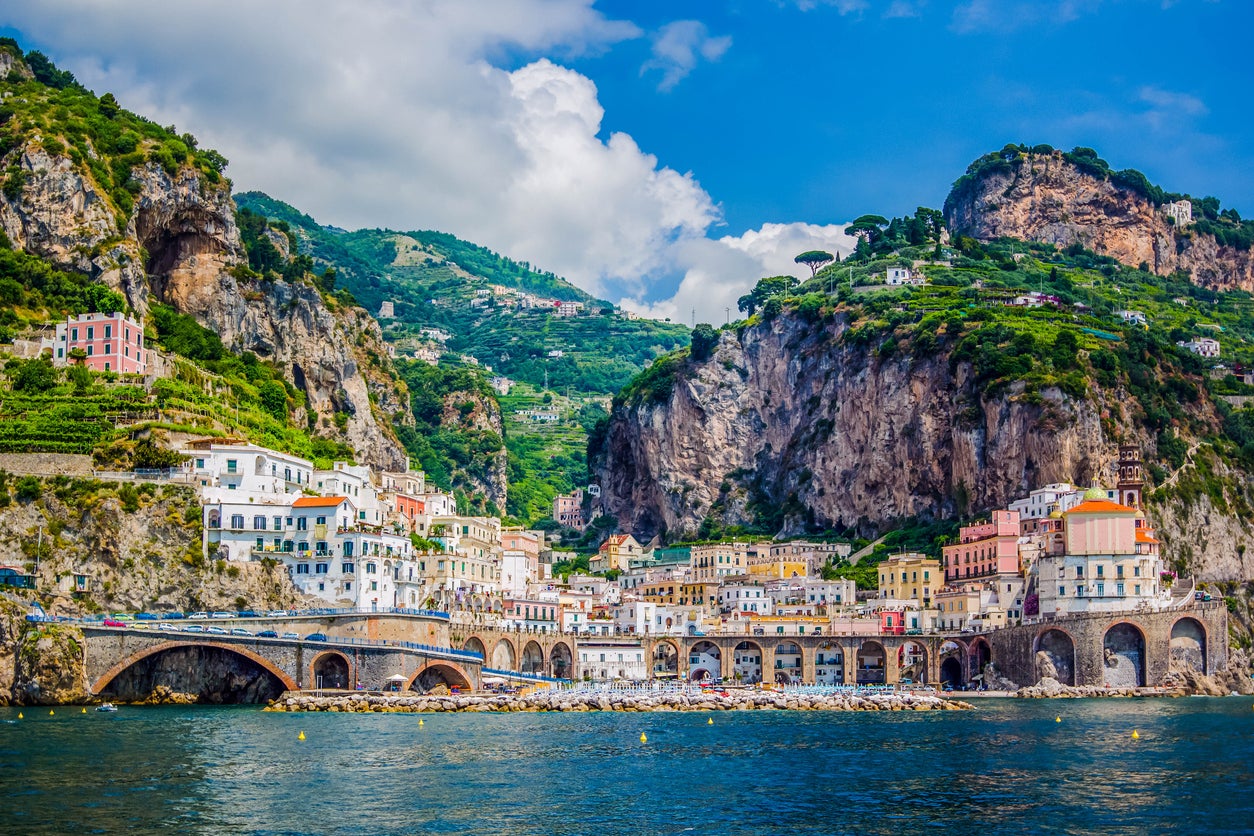
The roads that wind around the Amalfi Coast are some of the most picturesque in the whole of Italy. However, the distance – even if you hug the coast rather than use the Amalfi Drive road – is only a few hours of driving, so it fits better as a part of an itinerary. For a longer trip, begin in Rome and head to Naples via the coast; you’ll witness all the amazing views while also getting an in-depth look into two of the country’s most important cities. After at least a couple of nights in the Eternal City, drive straight to Salerno, an ancient port city just southeast of Naples.
After some time in Salerno, you’ll want to set off towards Pompeii. While the site of one of history’s most famous tragedies is only 30 minutes away by car, take the long route that hugs the Amalfi Coast. You’ll head towards Cetara, before continuing along the coast to places such as Ravello, Torca and Castellammare di Stabia. This circuit is only 75 miles of driving, but it takes over four hours (a testament to its winding coastal roads).
The time should be split over several days; you can easily stay in towns like Positano, Sorrento and Amalfi for two days each, so the choice of where to go before Pompeii is up to you. When you’re done with the frozen-in-time ruins, Naples is only another 30 minutes away.
Read more:
3. Iceland Ring Road, Iceland
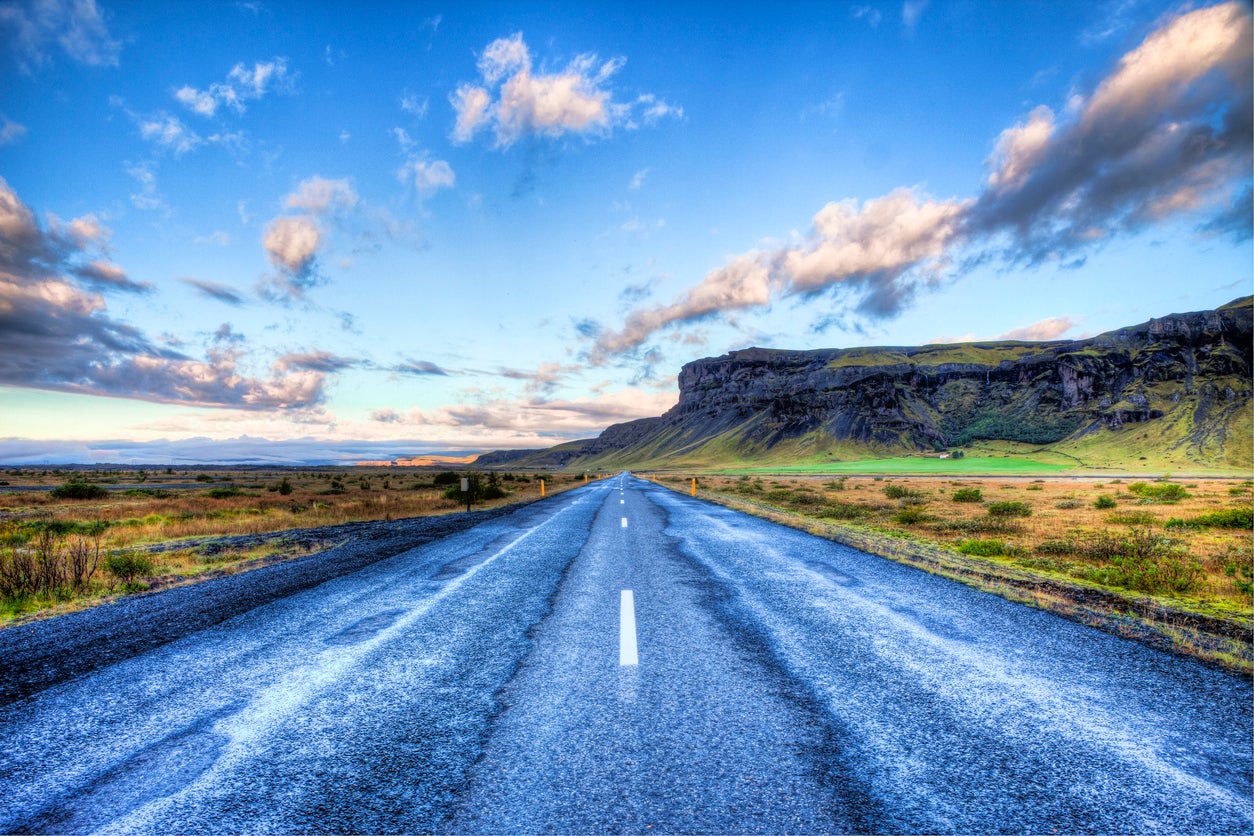
Iceland’s ‘ring road’, officially known as Þjóðvegur 1, is an 820-mile route that begins and ends in the capital, Reykjavik. While it is primarily a major route for transporting goods, it has become well-used by tourists who want an easy way to see several of the country’s most impressive natural sites, as well as cities including Akureyri. It’s mainly an inland road, though it covers portions of the coast in the south and southeast of the country. It should take around seven days if you want to take in the majority of sights (this is the time taken on organised tours). Though with opportunities to see waterfalls, glaciers, mountains and even the aurora borealis, you may want to factor in a little more time.
Main sights on the Ring Road include the Thingvellir National Park, the Seljalandsfoss and Skógafoss waterfalls, the Jokulsarlon glacier lagoon, the Dyrholaey cliffs and a host of other natural landmarks. Your evenings are best spent in towns and cities – Reykjavik deserves a couple of nights at least – while there are also expeditions to see the northern lights if you visit at the right time.
Read more: The Volcanic Way – how to unlock Iceland’s magical landscape
4. Dubrovnik to Pula, Croatia
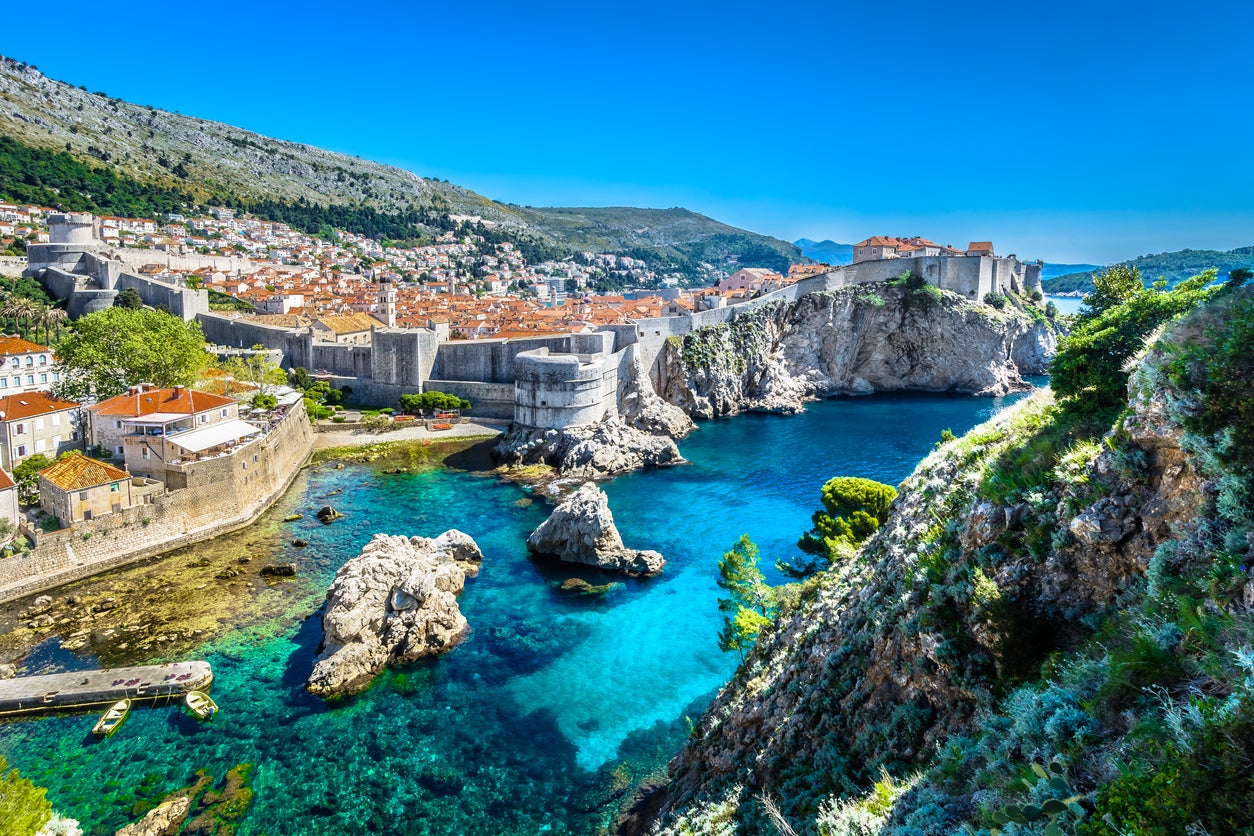
This route (roughly 465 miles long) takes in a large section of the Croatian (and Dalmatian) coast, and where better to start than the medieval walled city of Dubrovnik? Characterised by its limestone-paved squares and Gothic and Baroque architecture, the Old Town (a Unesco Heritage Site) is home to cobbled streets lined with dozens of restaurants, bars and cafes, while the surrounding coast has several beaches to give you a relaxing start to your trip.
Your first stops will likely be Split – just over two hours away – and then Zadar, two Venetian and Roman-influenced port cities. Rijeka and Pula are sensible choices for the last stops on your journey; Pula is home to a well-preserved Roman amphitheatre and temple that reflect its proximity to Italy, and if you fancy it you could even extend your trip with a three-hour drive (or three-and-a-half-hour ferry journey) from here to Venice.
Read more: The most beautiful places to visit in Dubrovnik, from the city walls to magnificent monasteries
5. Bilbao to Menton, France
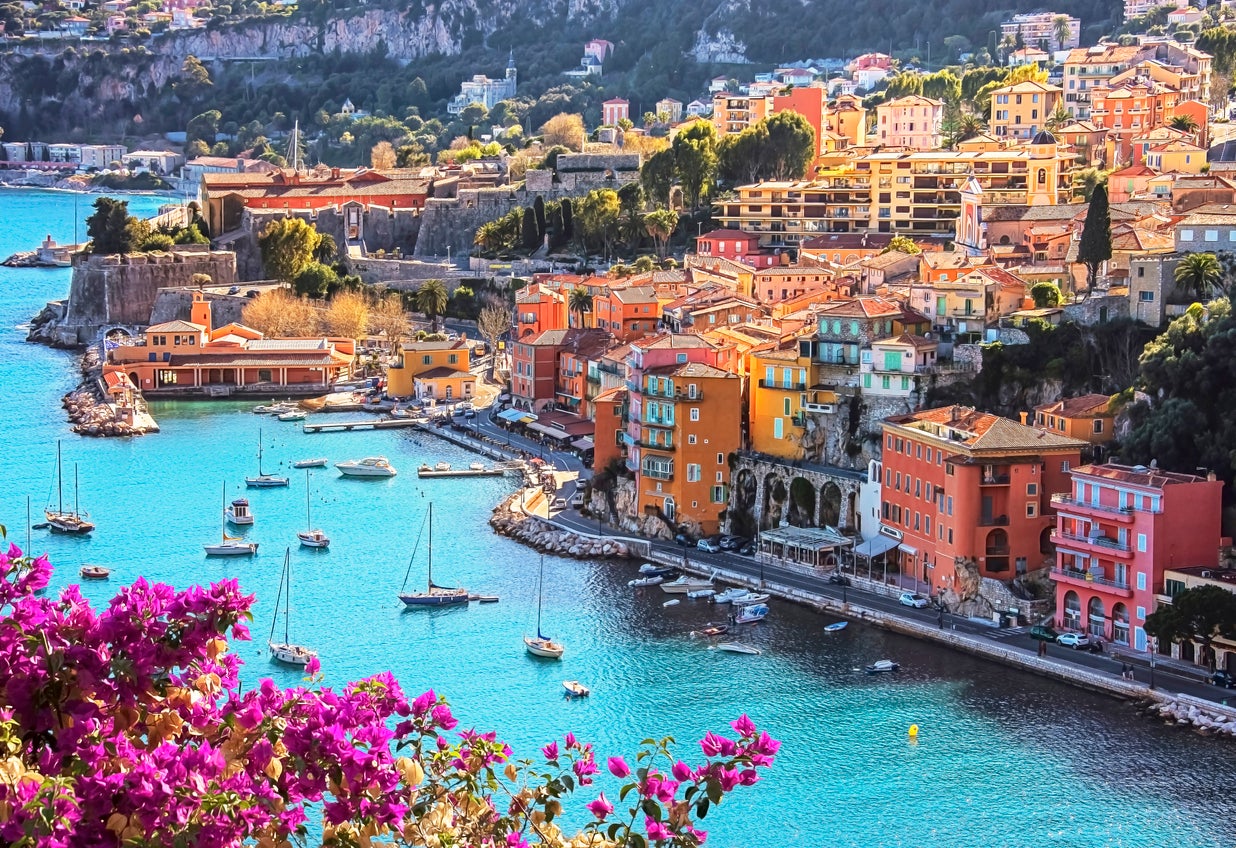
This route starts in Bilbao on the northern coast of Spain, crossing through southern France just above the Pyrenees and finishing on the southern Riviera coast. The Spanish section is short but sweet; as well as experiencing Bilbao’s laid-back, Basque hospitality, you’ll get to sample San Sebastian’s beaches and world-renowned cuisine before crossing the border into Biarritz. Your next destination will likely be the terracotta-clad Toulouse, before carrying on to Montpellier or Marseille (or both). Avignon and Aix-en-Provence lie before Marseille.
Nice is the final city on the route, and it is here in the capital of the Riviera that dramatic coastal views return to the journey. From Nice you can follow any of the three “Corniches” cliff roads; the 18-mile “Corniche Inferieure” to Menton has the best destinations, with potential stops at Villefranche-sur-Mer, Monaco and Roquebrune-Cap-Martin.
Read more: Is the new World of Frozen in Disneyland Paris worth it? I took my daughter to find out
6. Braga to Faro, Portugal
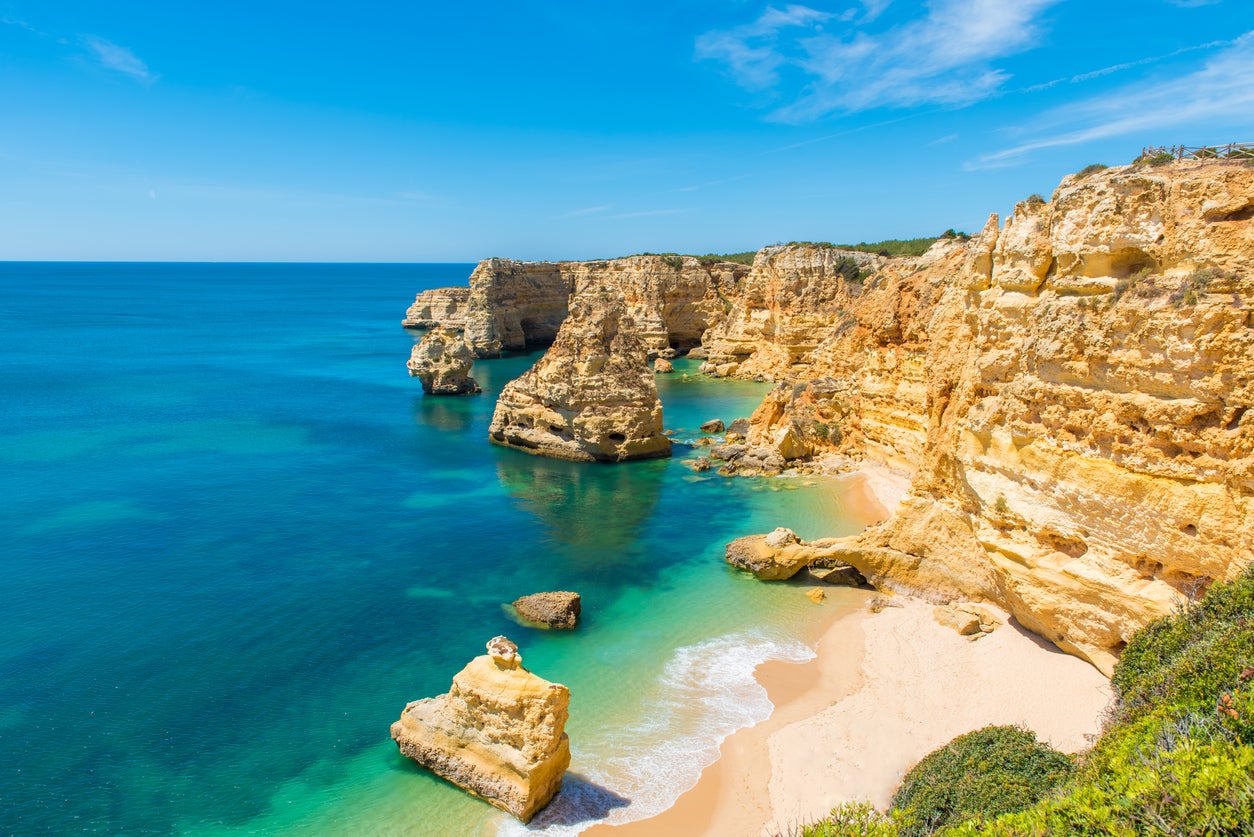
This journey clocks in at around 430 miles, with roughly seven hours of driving if you take the recommended routes. This may seem like a small amount, but Portugal’s variety of must-see places will quickly eat up your time. Braga, a lively university city, is the starting point, but Porto is the first notable stop on your Portuguese odyssey. Set off along the banks of the Douro River, and when you reach Porto you’ll find it’s a surprisingly accessible and affordable city; enjoy some time relaxing by the river or crossing over its bridges to get a panoramic view.
On leaving Porto, you’ll travel towards Lisbon. You may want to take a day in between to stop in Aveiro, Portugal’s answer to Venice. When you tire of its network of canals and streets lined with colourful buildings, carry on to the capital, where you’ll need at least two nights to visit a range of culinary and cultural attractions.
As you tire of busy cities, you’ll be glad to head towards the Algarve. Long stretches of white sand and sea will greet you there, as well as plenty of opportunities to enjoy nightlife in towns such as Albufeira and Faro.
Read more: This is the perfect European island to escape to this spring
7. Vienna to Belgrade
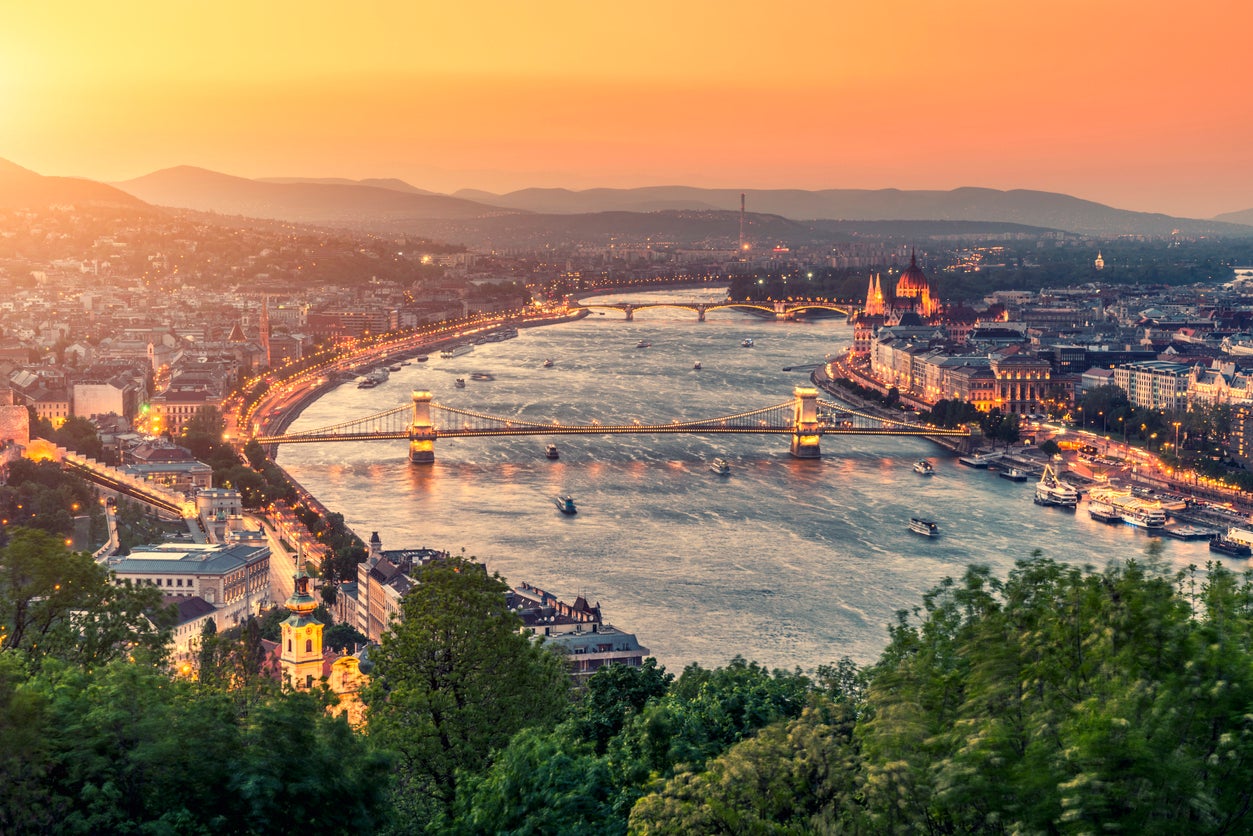
This 380-mile route along the Danube is centred around three cities – Vienna, Budapest and Belgrade – but can be extended by either starting in Prague (an extra 205 miles) or heading to Zagreb after Belgrade (another 245 miles). It starts in the Austrian capital; after spending a few days in the opulent city, you’ll quickly enter northern Hungary before reaching the town of Györ, a Baroque city that serves as the “capital” of the north of the country. From here, you can head to Budapest straight away or follow the Danube more closely to the city of Komárom, which sits opposite the Slovakian town of Komarno. Budapest is only one hour further on.
After visiting the Széchenyi thermal baths and Buda Castle, taking a river cruise along the Danube and snapping some photos of the country’s Parliament Building, you can leave Budapest in the direction of Belgrade (potential stops along the way include the Hungarian town of Kecskemet, or Subotica and Novi Sad in Serbia).
The Serbian capital is a lively and vibrant city, with drastically varied architecture shaped by a long history that includes Habsburg and socialist influences and more recent Nato bombings during the Kosovo conflict of the 1990s. The Old Town is the heart of the city; Knez Mihailova is the main street, where 19th-century buildings house a range of cafes, shops and stalls. Other attractions include the Kalemegdan Park and Fortress, the Savamala district, and museums such as the National Museum of Serbia.
Read more: The sleepy Austrian village to visit for a fairytale getaway
8. Vienna to Geneva (via Munich)
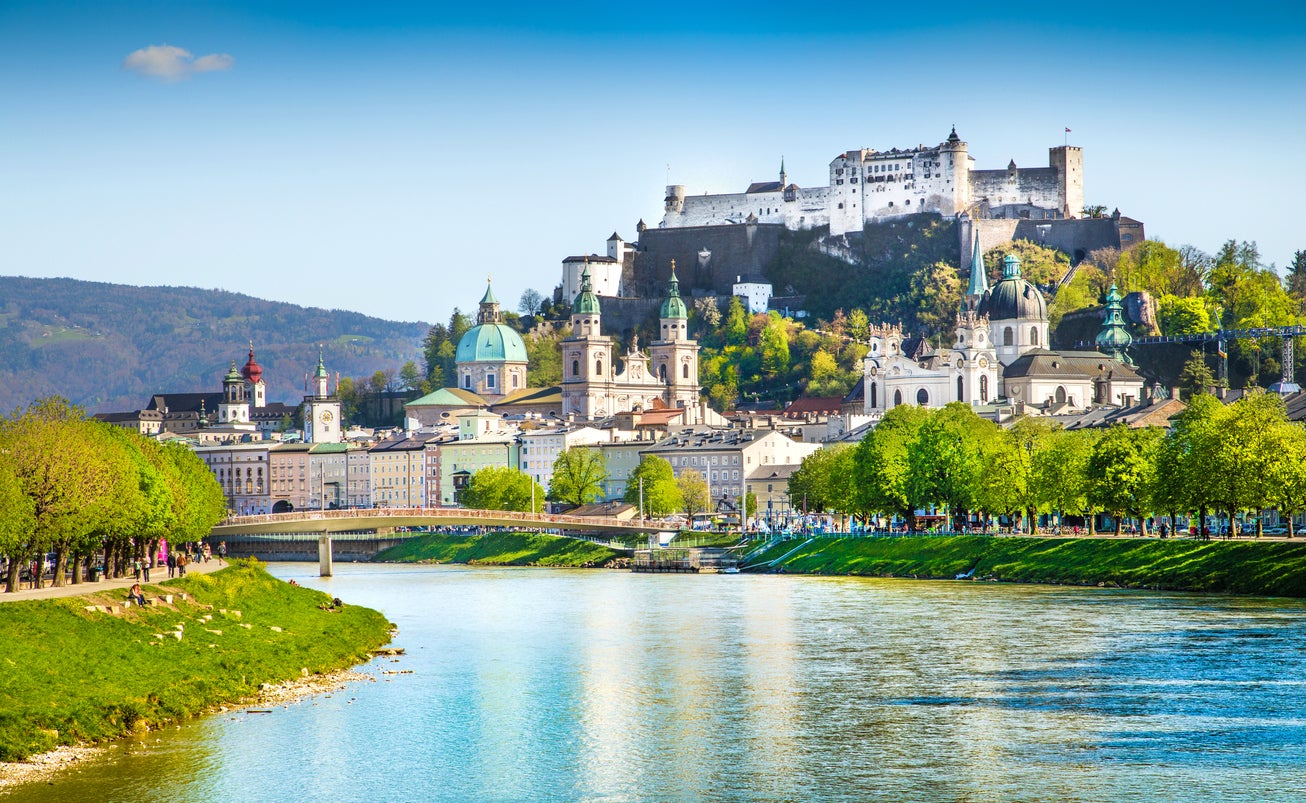
Another journey that starts in Vienna, this trip takes you west towards Germany and Switzerland on a 640-mile route that includes some of the most picturesque cities on the continent. The first stop is Salzburg, a scenic city backed by a section of the German Alps that also lies on the banks of the Salzach River. The Unesco-protected “Old City” is the main part of the city, where you can find attractions including the birthplace of Mozart and the Hohensalzburg Fortress.
Munich will be your next destination. The Bavarian capital’s reputation precedes it due to its annual Oktoberfest celebrations. Instead of skyscrapers and towers, you can expect Gothic churches, 19th-century town squares and limestone city halls; instead of Berlin’s more modern, trendy atmosphere, on the whole, you’ll experience more of the “traditional” Germany. Kitsch culture is a good example, perfectly preserved in the form of cuisine and going-out habits that include visiting large beer halls, oompah bands and beer gardens.
Entering Switzerland, your first stop will be Zurich, where a bustling financial district blends with old school charm to create a sophisticated lakeside destination. You’ll then move on to Bern, the small, idyllic Swiss capital surrounded by the Aare River. Both cities offer dozens of potential activities, including cruises along the water, several museums and walks through elegant districts, such as the Bahnhofstrasse or Bern’s Old Town.
Your last stop will be Geneva, the famous lakeside city that is now home to one of the UN’s four major offices. Another charming city that benefits from its lakeside location, take advantage of its numerous walks, viewpoints and squares before settling by the water for sunset.
Read more: I woke up to views of Switzerland’s most famous peaks at this boutique hotel
9. North Coast 500, Scotland
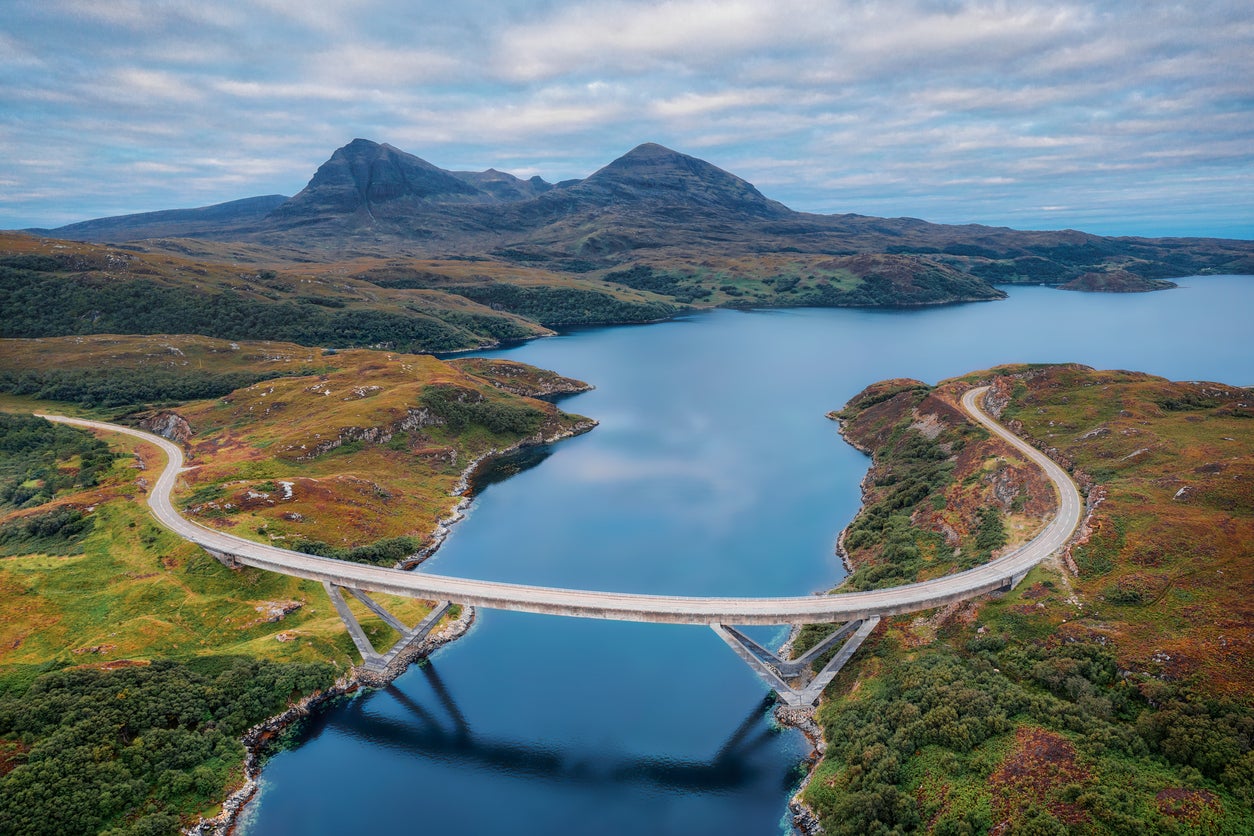
Considered one of the UK’s best road trips, the North Coast 500 (NC500) is often called Scotland’s answer to the famous Route 66 in the United States. The 516-mile route follows the main roads along the coastal edges of the North Highlands of Scotland, through Wester Ross, Sutherland, Caithness, Easter Ross, the Black Isle and Inverness-shire. A relatively new road trip route, it was launched in 2015 as a way for tourists to see the Scottish Highlands in one superloop.
Beginning and ending in Inverness, roadtrippers will be able to experience some of the Highlands’ most beautiful natural spots. Spot Atlantic salmon leap up the rapid Falls of Shin; visit Eas A’Chual Aluinn, Britain’s highest waterfall with a sheer drop of 200 metres; take a walk on Sandwood Bay, Britain’s most remote mainland beach; or even pay a visit to one of the oldest Highland cattle folds on the Applecross Peninsula.
It's clear that the NC500 has many title-holding natural phenomena, but there are plenty of manmade attractions along the route, too. Step back in time 4,000 years when visiting the Bronze Age Clava Cairns, thought to be prehistoric burial monuments, or spend an afternoon at one of the many magnificent castles, from the dramatic ruins of Ardvreck Castle to the French chateaux-like Dunrobin Castle.
There are plenty of towns and villages along the way to eat, shop and stay in. Explore Glencoe village, tucked away in the awe-inspiring valley of the same name; spend a night in the seaside village of Ullapool; or head to the northernmost point of mainland Britain at John o’Groats.
Read more: How to plan an accessible city break to Glasgow
10. The Romantic Road, Germany
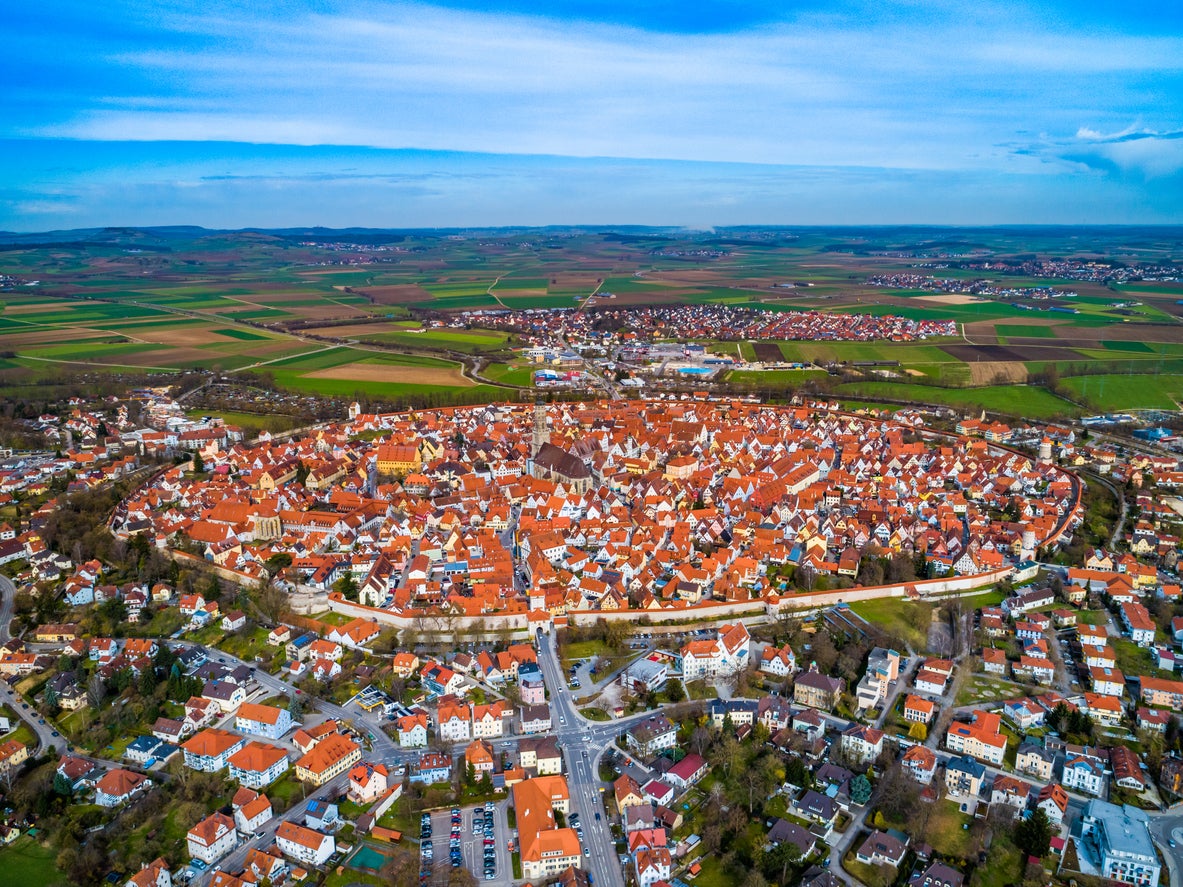
This famous southern German route takes drivers on a 285-mile journey as roads curl past fairytale castles and medieval towns, as well as forests and mountains, in Bavaria and Baden-Württemberg. The Romantic Road, or Romantische Straße, runs between the city of Würzburg in the north and Füssen in the south right next to the Austrian border. History fans or those who appreciate a romantic view are in luck on this trip, with castles aplenty scattered along the road, such as the stone-built Wertheim Castle, the glistening white limestone Neuschwanstein Castle and the Disney-like Hohenschwangau Castle with its pointed turrets.
There are 29 towns to drive through on the route. Be sure to stop at Rothenburg ob der Tauber, which looks like it could have been plucked straight out of a medieval princess storybook, with its clock towers, half-timbered houses and clay tiled roofs. Spend a few hours wandering around Nördlingen as well, unique due to being built inside a 15-million-year-old crater, making it Germany’s only fully walkable city wall. Here, you will find many buildings encrusted with microscopic diamonds created in the local graphite struck by the asteroid millions of years ago.
Read more: The German city that has Berlin teetering on its trendy pedestal









.jpeg?width=1200&height=800&crop=1200:800)