
ASUS expands its ProArt lineup with a compact keyboard and a smart creator mouse
ASUS has expanded its ProArt ecosystem with the new ProArt Keyboard KD300 and ProArt Mouse MD301, bringing creator-focused features, compact design, and multi-device connectivity to professionals.
 Fransebas
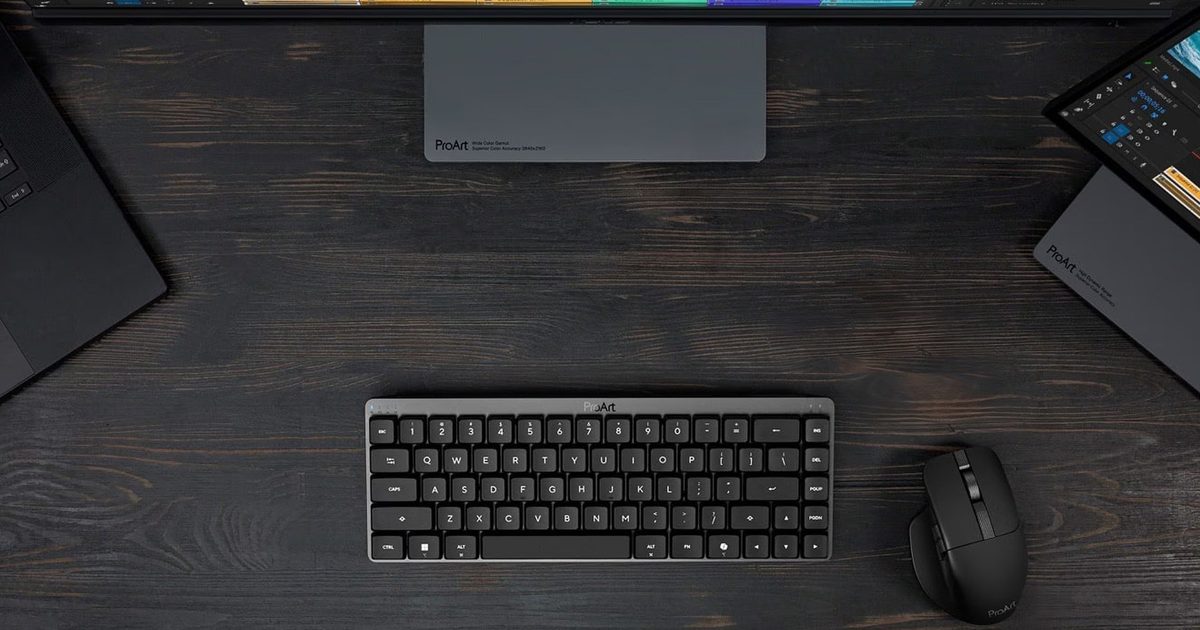
The new ProArt KD300 and MD301 are designed to make life easier for designers, editors, and creators.
 ASUS
ASUS
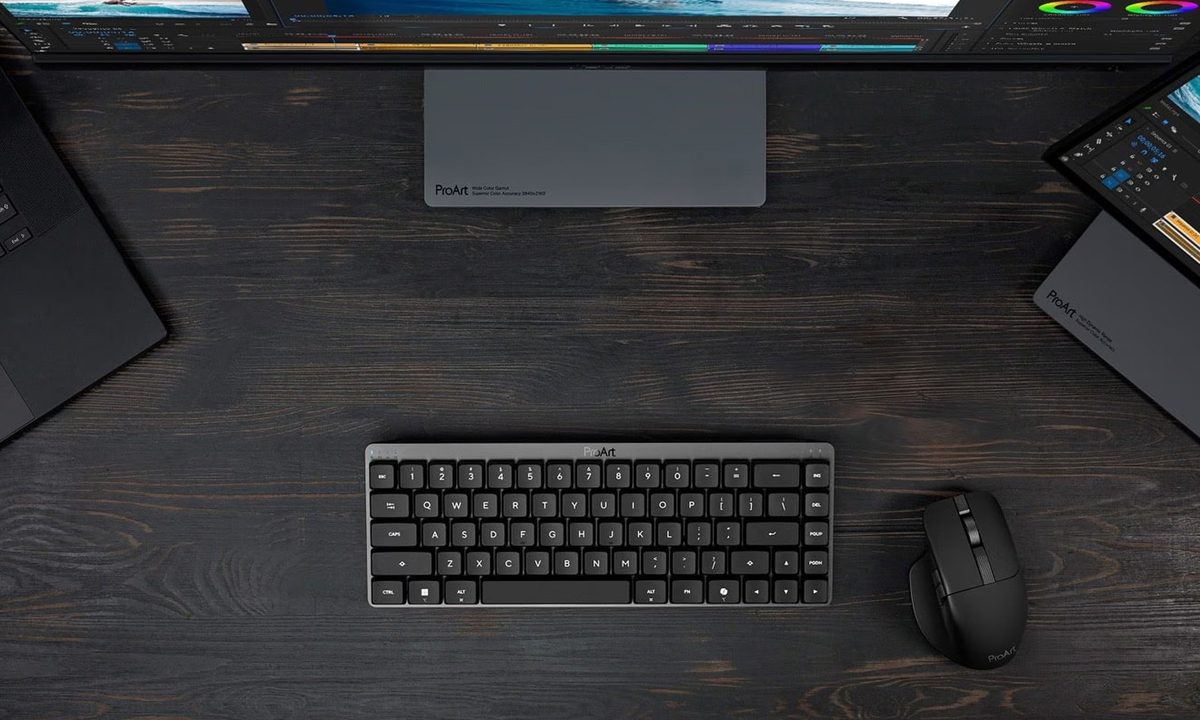
Creators have long had plenty of powerful laptops and monitors to choose from. Keyboards and mice? Not so much. ASUS is looking to change that with the expansion of its ProArt accessory lineup. Leading the announcement is the new ProArt Keyboard KD300, a compact low-profile keyboard that’s designed to work alongside the ProArt Mouse MD301, giving creators a matching desktop setup built specifically for productivity instead of gaming.
A compact keyboard that doesn’t sacrifice functionality
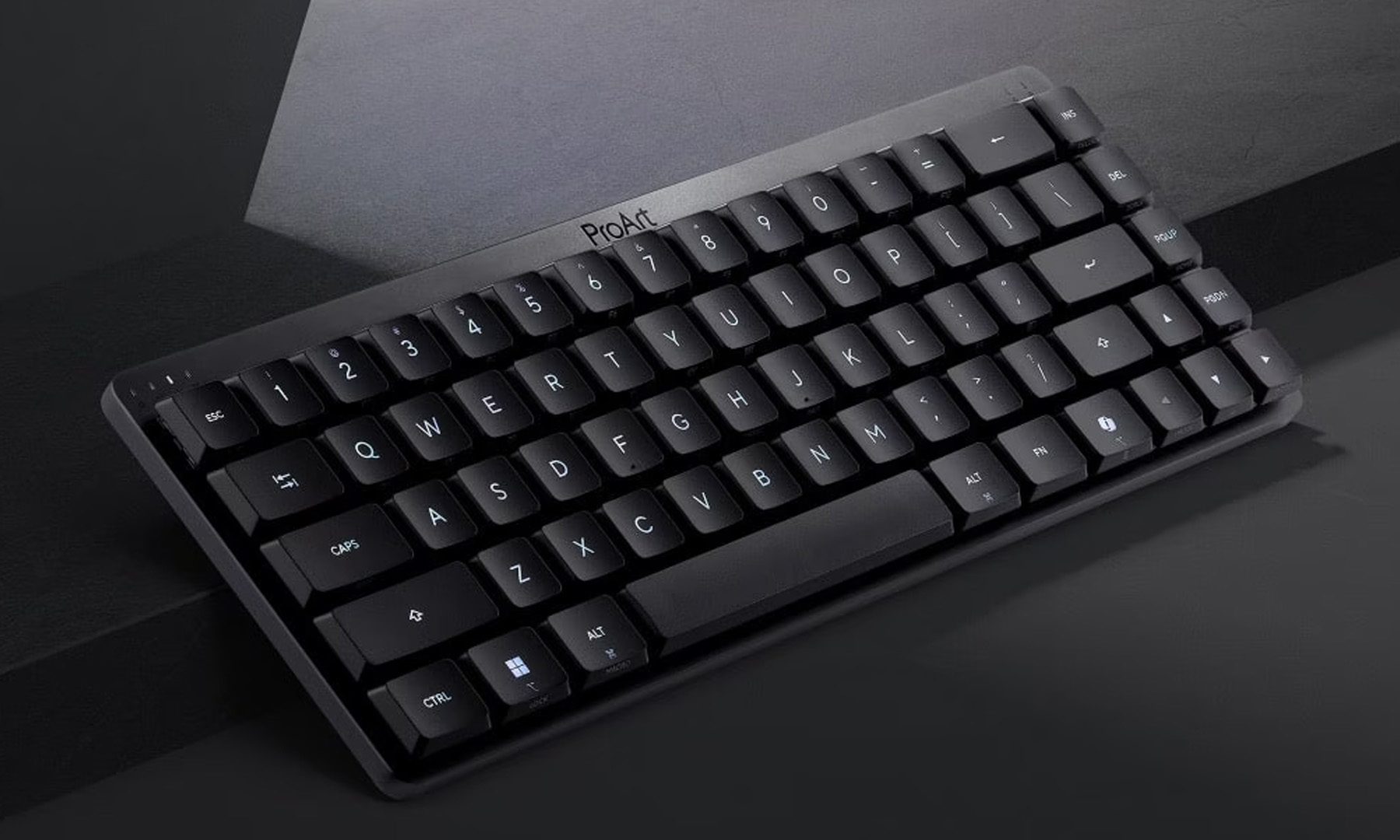
The ProArt Keyboard KD300 adopts a 65% layout, making it considerably smaller than a traditional full-size keyboard while still retaining the essential navigation keys most creators use every day. ASUS has opted for ASUS RX Red low-profile optical switches, aiming to deliver a fast, responsive, and smooth linear keystroke feel in a slimmer, quieter design that’s more comfortable during long editing sessions.
 ASUS
ASUS
ASUS has also added several productivity-focused touches, including tri-mode wireless connectivity, allowing users to switch between multiple computers or tablets with support for pairing up to five devices simultaneously. The keyboard also features customizable keys, an innovative touch panel, and creator-centric shortcuts that integrate with ASUS’ new web-based Gear Link interface, enabling quick configuration of profiles, key mappings, and macros across creative applications.
The ProArt mouse is built for creators, too
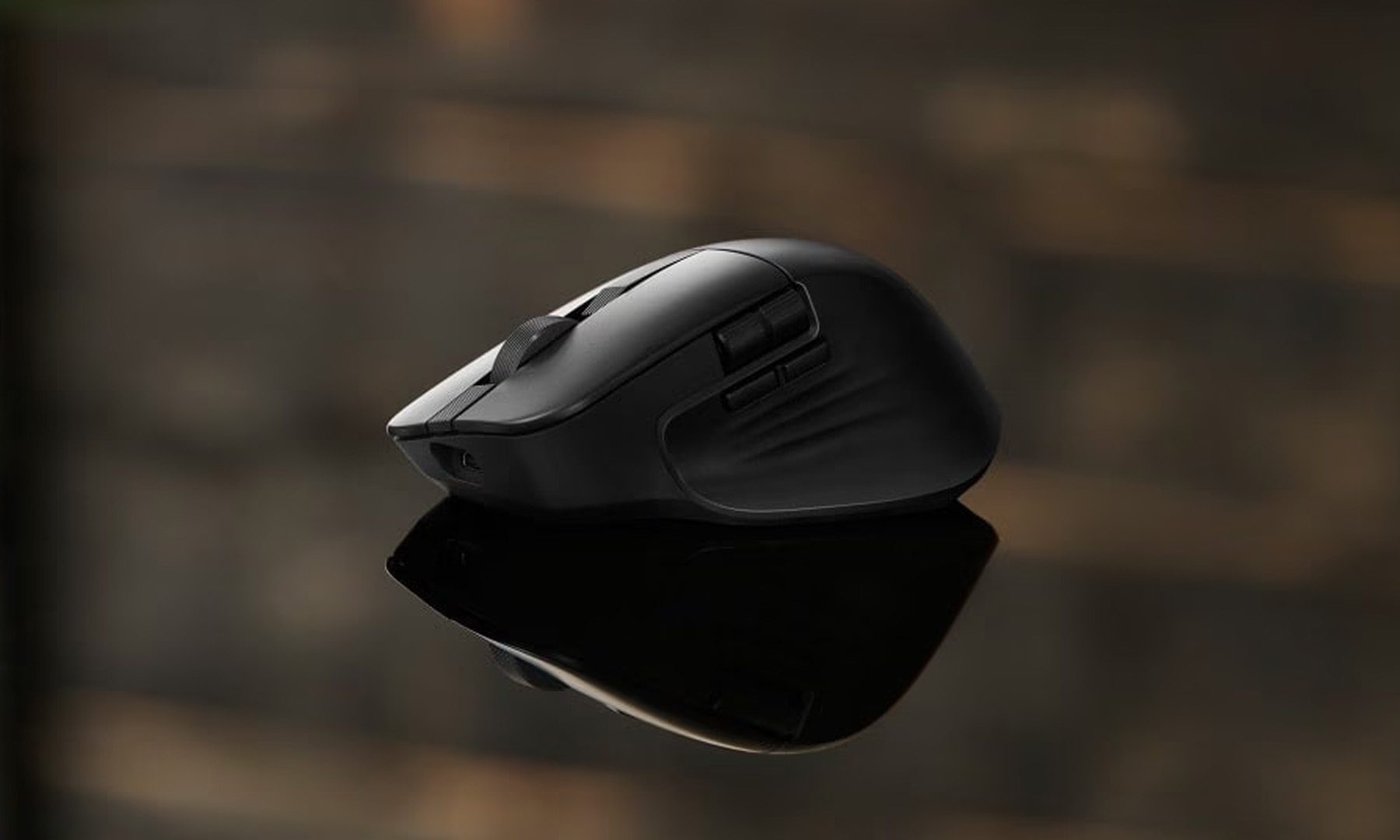
Joining the keyboard is the ProArt Mouse MD301, an ergonomic wireless mouse designed with photo editors, video creators, and designers in mind. It features an 8,000 DPI optical tracking sensor that works even on glass, dual scroll wheels (including a side wheel) for navigating large timelines and spreadsheets, six programmable buttons, and tri-mode connectivity. Hot on productivity, ASUS includes its SmartShift scroll wheel, which automatically switches between precise line-by-line scrolling and a faster free-spin mode depending on how quickly the wheel is flicked.
 ASUS
ASUS
One particularly interesting feature is the hot-swappable main buttons, allowing users to replace worn-out left and right click switches to extend the lifespan of the mouse or customize click feel using standard Push-Fit sockets. ASUS claims the MD301 can deliver up to 180 days of battery life on a full charge, while a quick one-minute USB-C charge provides roughly eight hours of light use, making it well suited for professionals who spend all day at their desks.
Rather than chasing RGB lighting configurations or ultra-high gaming polling rates, ASUS is clearly targeting a different audience here. The KD300 and MD301 are designed around long work sessions, compact desks, and creative workflows where comfort and efficiency matter more than esports credentials.

Varun is an experienced technology journalist and editor with over eight years in consumer tech media. His work spans…
Microsoft wants Windows 11 and your phone to become best friends
Microsoft's latest plans reportedly focus on making the PC and smartphone experience feel seamless.
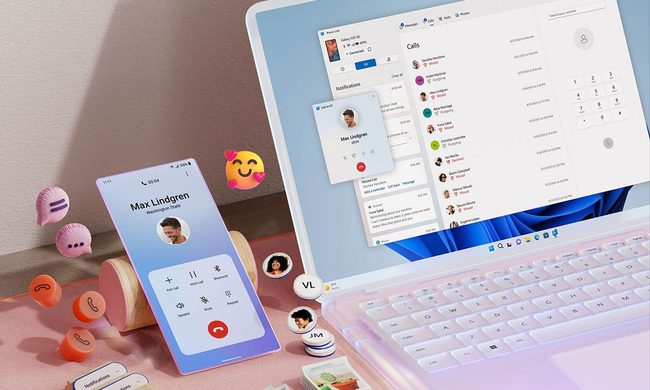
For years, Phone Link has felt like that one app everyone knows exists but rarely remembers to open. Microsoft apparently wants to change that. According to a report from Windows Central, the company is working on a major overhaul of how smartphones integrate with Windows 11, making phones feel like a native part of the operating system instead of something users access through a separate app.
Phone Link is coming out of hiding
What are Copilot+ PCs? Everything you need to know

Walk through a laptop aisle in 2026 and the Copilot+ PC branding is highlight for most Windows laptops. From Microsoft's own surface to other PC makers like Samsung, HP, and Dell, you can find notebooks that carry this badge to convey that they are AI-ready. At a glance, the name sounds like it refers to a computer with a better version of the Copilot chatbot, which only explains a small part of it.
A Copilot+ PC is a Windows 11 computer that meets Microsoft’s hardware standard for advanced on-device AI features like a compatible processor with a dedicated NPU. You also need a certain amount of RAM and storage, all of which brings access to Windows features such as Recall, Click to Do, and much more. Many of these experiences use the NPU to process information locally, reducing their reliance on cloud servers and helping them run more efficiently in the background.
Apple’s M7 Ultra could take on Nvidia Blackwell with a staggering 1.5TB of memory
Bloomberg says Apple's next-generation AI chip is being built for far more than just future Macs.

Apple's next flagship chip may not just be another performance upgrade. Instead, it could be the company's biggest AI leap yet. According to Bloomberg's Mark Gurman, Apple is developing the M7 Ultra with one clear goal: dramatically boosting AI performance. Expected to arrive in 2028, the processor is reportedly being designed to handle workloads on a scale that brings it closer to dedicated AI accelerators like Nvidia's Blackwell than traditional desktop processors.
A desktop chip with server-class memory


























.jpg&h=630&w=1200&q=100&v=7abd35f457&c=1)