Garbage piles up in Bali after restrictions on resort island’s largest landfill disrupt collection
Households begin to burn their trash as landfill stops accepting organic waste
 Aliver
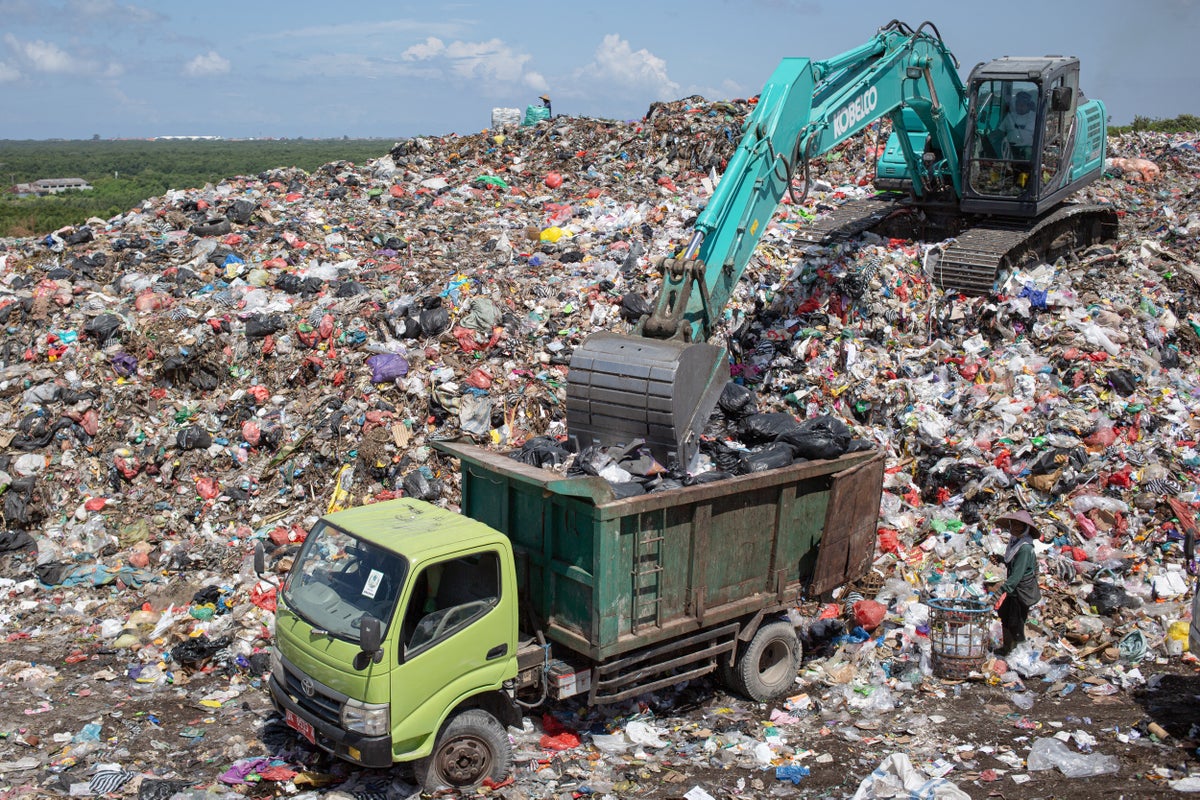
Bali is grappling with a waste crisis as landfill restrictions have disrupted garbage collection, leaving rubbish accumulating in the streets of the Indonesian tourist hotspot.
At the centre of the disruption is the Suwung landfill, the island’s main disposal site, which stopped accepting organic waste from 1 April as authorities moved to enforce long-standing policies to end open dumping and require waste processing at source.
The landfill, in operation since 1984, typically handles 1,000-1,200 tonnes of waste per day, according to The Bali Sun. It is set to shut completely from 1 August after inspections found the waste volume at times reached 1,800 tonnes a day, far beyond its operational capacity.
Plans to shut the site have been delayed for years, with deadlines slipping from before the G20 summit in 2022 to early 2026. In March, authorities briefly shut the landfill before reopening it within a day as dozens of garbage trucks were left stranded without a disposal site.
The limitations currently only target organic waste, which accounts for up to two-thirds of Bali’s total output and produces methane gas – raising the risk of fires and landslides – when left to decompose in landfills.
The policy was originally aimed at forcing households and businesses to compost and sort waste at source, but without fully operational alternatives in place, the immediate effect has been disruption rather than relief.
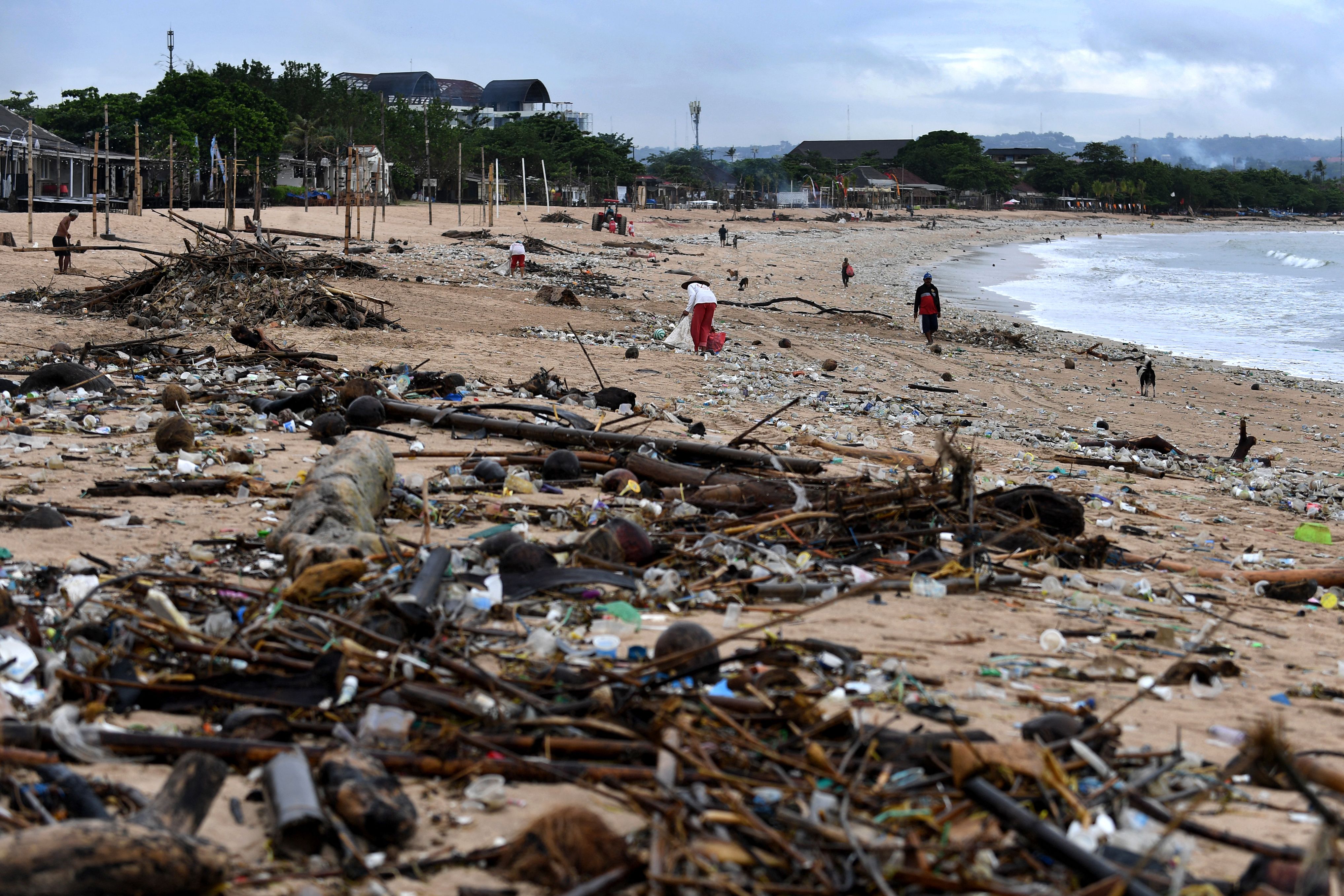
In several areas of the island, residents have turned to burning rubbish or dumping it on roadsides and in waterways. “Almost every third or fourth house in my street is burning their own trash. Obviously it’s small scale but it adds up,” Denpasar resident Ravinjay Kuckreja told Bloomberg.
Neighbourhood collection points too are now overflowing. The increase in burning and illegal dumping has intensified since the April restrictions and authorities have been struggling to contain the shift to informal disposal.
Sanitation workers have also pushed back, saying the rules have left them with no place to dispose of collected waste. During protests earlier this month, sanitation worker I Wayan Tedi Brahmana told AFP: “If we don’t collect our client’s rubbish, we are in the wrong, if we collect it, where do we dispose it?”
Bali produces an estimated 3,400 tonnes of waste each day. Indonesia as a whole generates more than 40 million tonnes annually, only a third of which is managed formally, according to waste management expert Nur Azizah at Gadjah Mada University. The remainder often ends up in the environment. In Bali, around 52 per cent of the waste is mismanaged and roughly 1,000 illegal dump sites operate across the island, according to Bloomberg.
The consequences of the restrictions are now visible in areas that are central to Bali’s tourism sector. In Kuta, one of the island’s busiest beach destinations, rubbish is building up in public spaces and near hotels, with clean-up efforts struggling to keep pace.
I Nyoman Arya Arimbawa, who manages the Kuta beach tourist attraction, said workers had removed some waste but were unable to stay ahead of new dumping. “We’ve started collecting it, but we’re still looking for additional vehicles for the clean-up,” he said.
Tourism is critical to Bali’s economy, accounting for over half of its gross domestic product. Before the pandemic, tourism generated about £5.7bn annually for the local economy. The island’s roughly 7 million visitors last year far outnumber its population of about 4.4 million, putting added strain on already stretched waste systems.
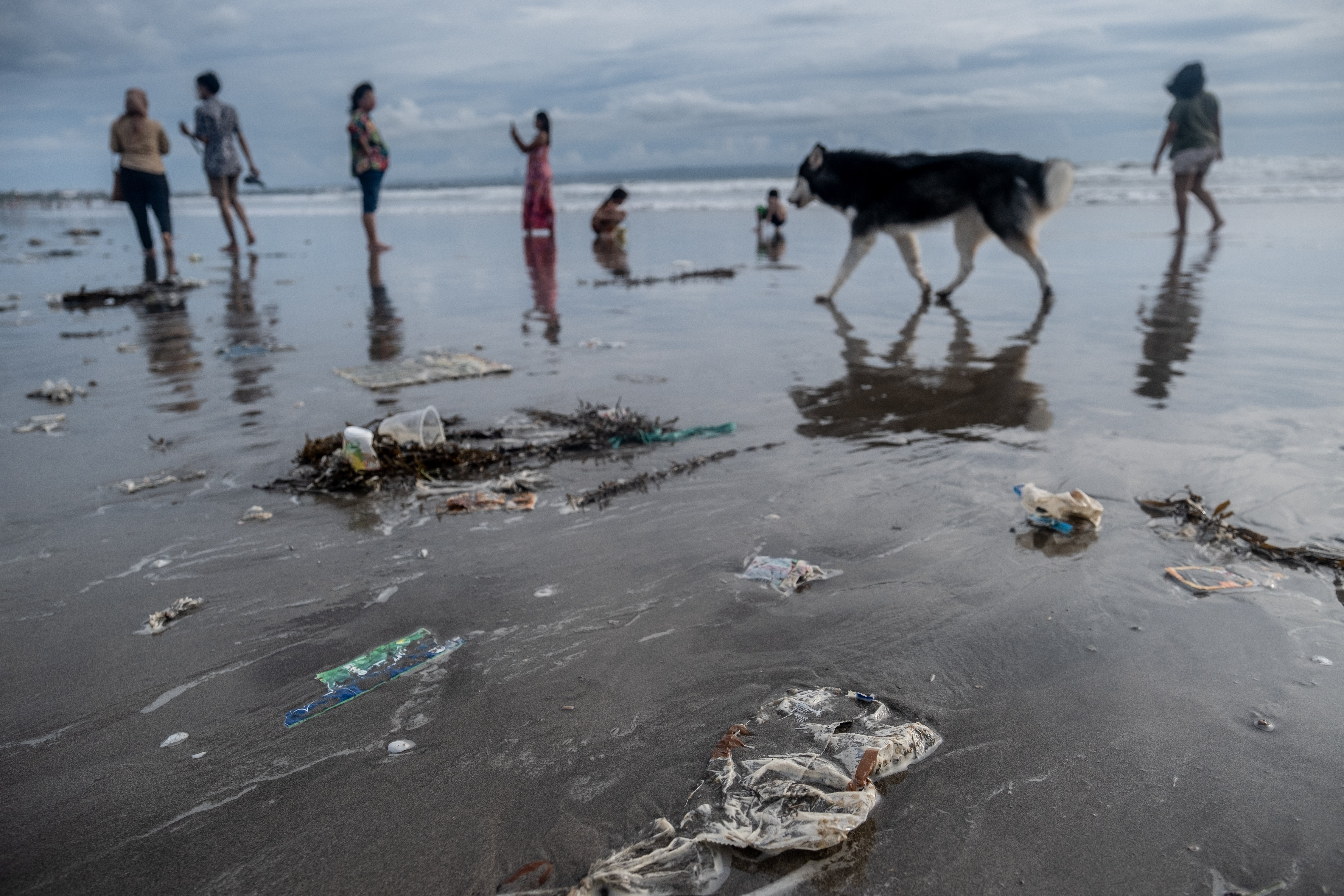
The visibility of waste in resort areas has raised concerns about the visitor experience. “You have many rats here at nighttime. The smell is not very good, it’s not a good look,” Australian tourist Justin Butcher told AFP at Kuta.
Former environment minister Hanif Faisol Nurofiq warned during a beach clean-up in March that Bali’s environmental conditions affected Indonesia’s global reputation. “Bali is a window into Indonesia, and its beaches reflect the face of our nation. If the beaches are clean, Indonesia can gain recognition as a pro-environment country,” he said, according to Antara.
He noted that the amount of trash at the Suwung landfill exceeded estimates based on the local population and urged businesses to handle their own waste.
Bali governor Wayan Koster says a waste-to-energy facility in Denpasar, which can process 1,200 tonnes a day, is set to begin construction by the end of June 2026. but operations are likely to take years to start.
Until then, enforcement is tightening even as disposal options remain limited. Individuals caught dumping or burning waste face penalties of up to three months in prison and fines of up to £2,100. Authorities, however, acknowledge that enforcement remains difficult as many residents and workers lack viable alternatives.
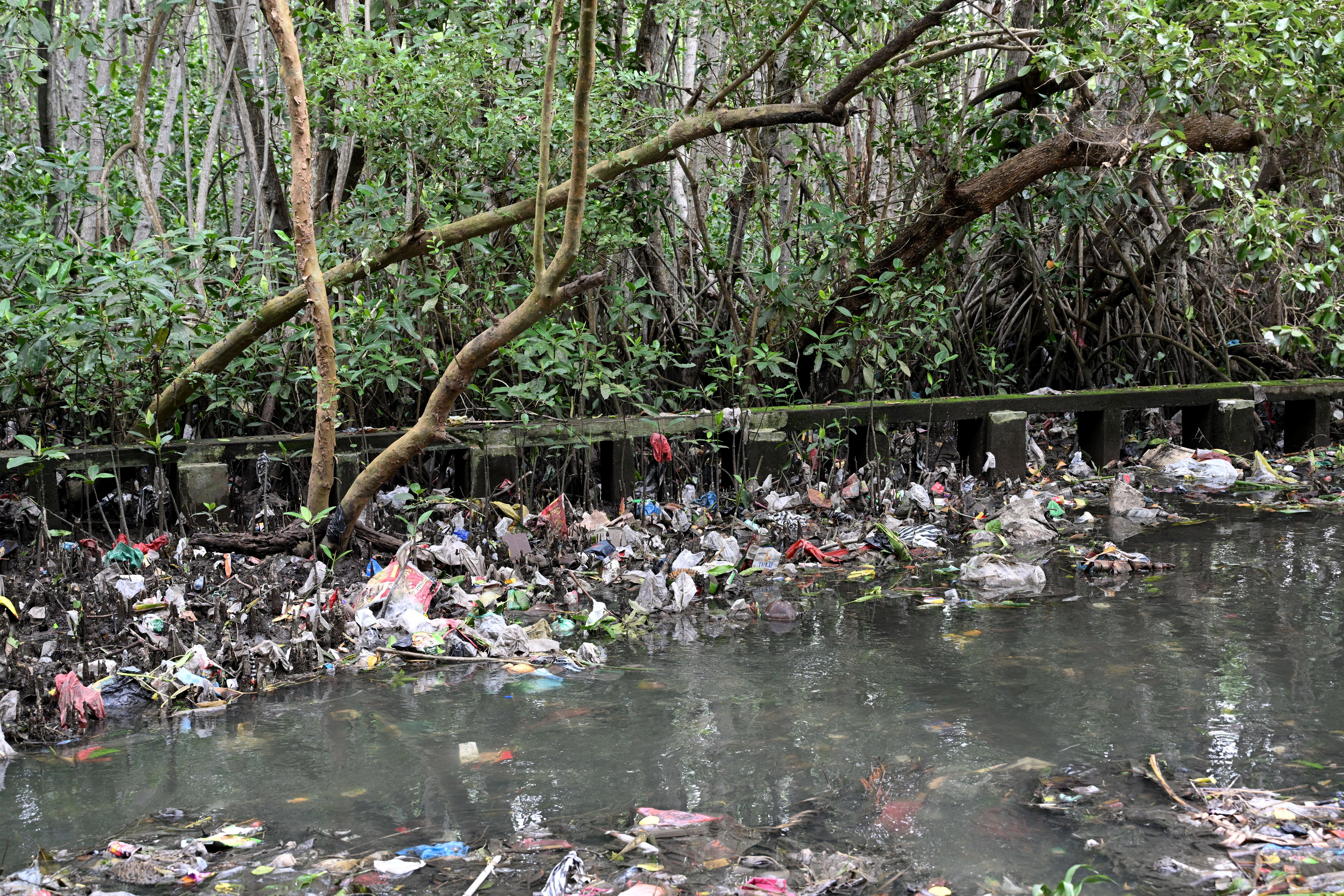
Indonesian president Prabowo Subianto told officials earlier this year that foreign leaders had criticised the condition of Bali’s beaches.
“They told me, ‘Your Excellency, I just returned from Bali. The beaches are so dirty now. Bali is no longer as beautiful.’ We should take these remarks as constructive feedback and work together to address the issue,” he said, according to The Jakarta Post.
In response, hundreds of police and military personnel, along with students and volunteers, carried out clean-up operations in February at Kuta and Kedonganan beaches, removing several tonnes of rubbish.
In spite of repeated clean-up drives, Bali’s waste management system continues to struggle.
To make matters worse, seasonal monsoon flows from neighbouring Java, Indonesia’s most populous island, bring debris onto Bali’s beaches each year, creating recurring “trash tides”.