Google’s AI just recreated the best goal ever by Pele that was never actually filmed
Google used live stadium capture, and combined it with archival material to bring Pele's legendary goal to life. The Veo video engine, Gemini Omni, and Nano Banana Pro AI tools tagged alongside in the journey to revive a lost...
 UsenB
UsenB
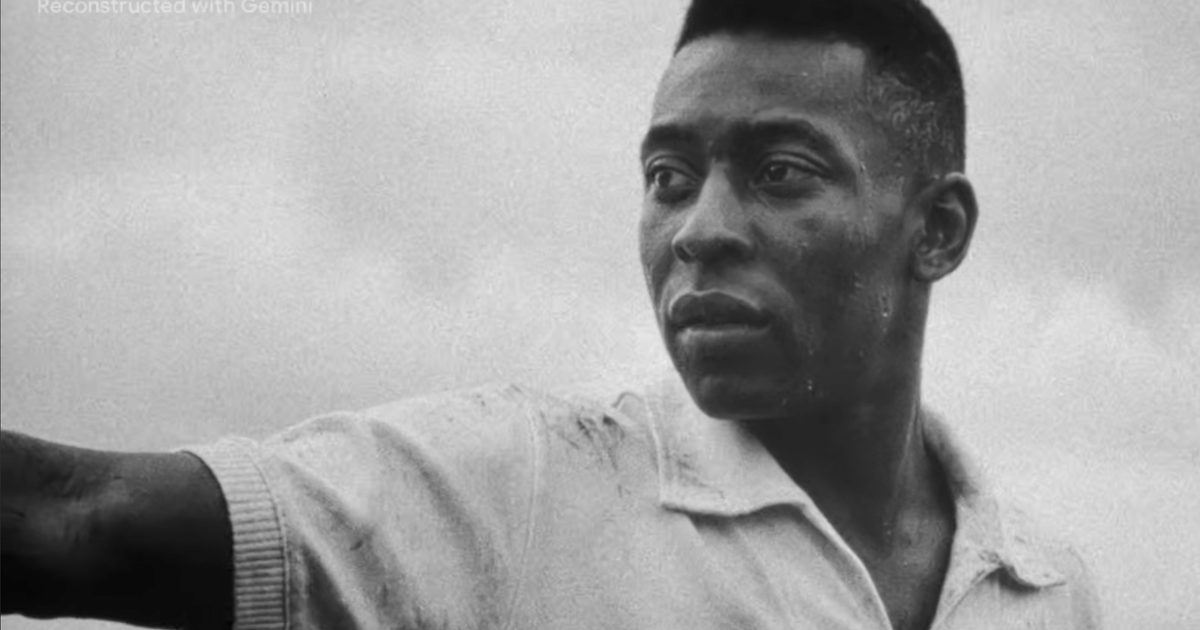
My heart is full after watching the clip, and it will bring tears of joy to every true football fan.
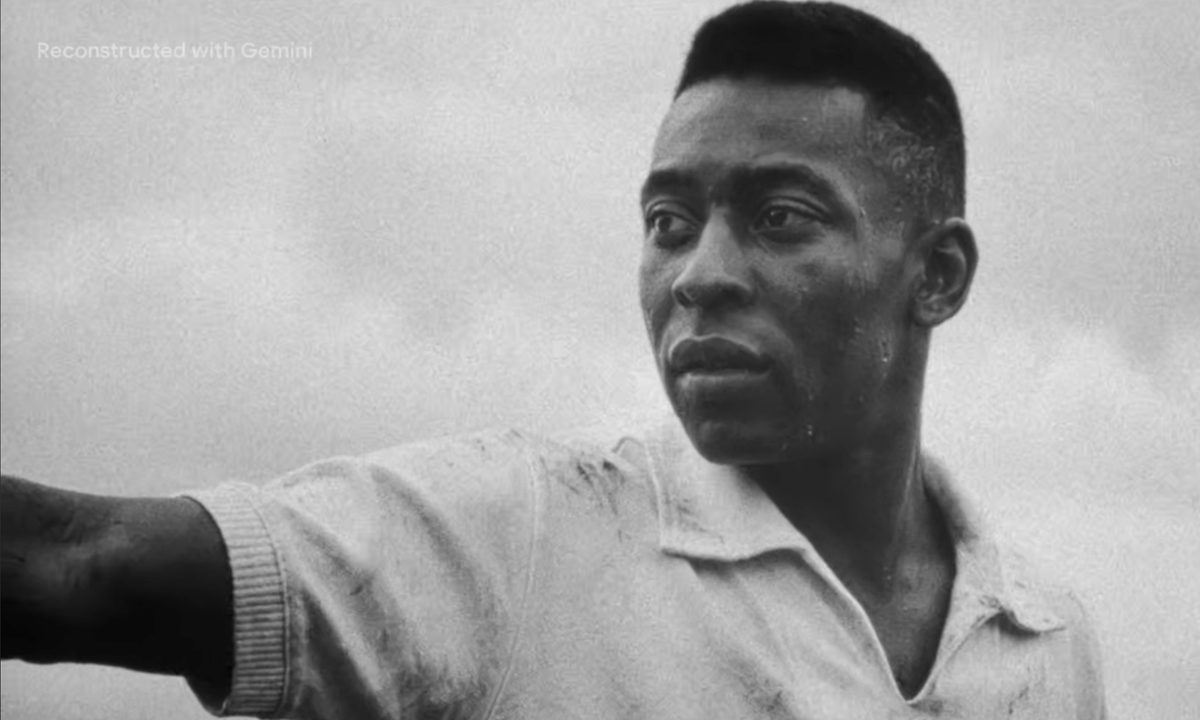 Google
If you look at the AI landscape, a majority of its usage in the film and television industry has been pretty controversial. Bringing dead actors to life on a screen, using AI to record vintage songs that were never completed, or just using it to film scenes or handle any other part of the creative process — the backlash has been pretty vocal. But there are a few slivers of hopeful AI usage, too, and Google just delivered one of those in a heartwarming fashion using Gemini AI.
I wonder the world never archived
This is how the story goes. In 1959, Brazilian football legend Pele scored a goal. And in his own words, it was the best goal of his career. The “Black Pearl” pulled off three consecutive sombreros past the defenders, performed a knee flick past the goalkeeper, and then headed the ball into the net. Getting past multiple opponents, without the ball ever touching the ground, and finishing it off without a perfect header. It’s something you rarely ever see, even at the highest levels of professional football. The problem? It was never filmed.
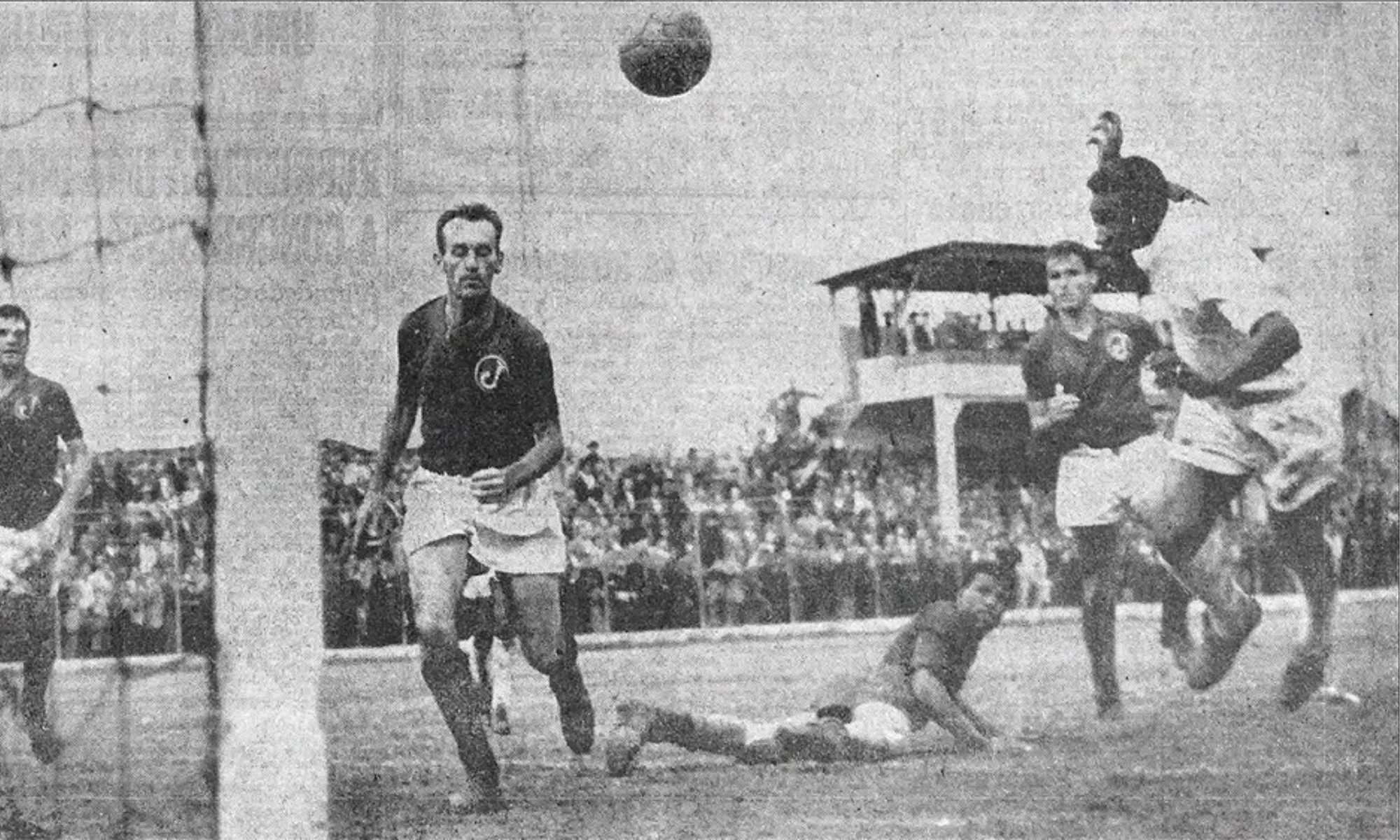 Google
The “Gol da Rua Javari” was only witnessed by the thousand of fans and other players on the pitch, only a handful of whom are still alive. The only archival memory was an old photogaraph of the header moment. Google’s team conducted interviews with people how saw the even in person, some six decades, and pieced together Pele’s steps. Then, using photographs of the stadium, fans, and other players on the ground, a vision was developed of how the events unfolded.
Next, Google’s team recreated the whole scene with real humans in the same stadium where Pele scored the goal. For accuracy, they even created the heavy leather ball from that era, alongside Pele’s dark boots, and even the uniforms. The whole act was mapped, somewhat like motion capture in films, but without any of the specialized dresses and gear involved.
The whole foundation was fed into a system, and using Gemini Omni, Nano Banana Pro image generator, and the Google Veo video engine, the captured data was restyled and given a vintage look resembling the old photographs. Characters were replaced (the stunt person wearing the iconic No. 10 jersey was swapped with Pele’s digital likeness) and the whole stadium from that fateful match in 1959 was recreated.
A feat reanimated from the pages of history
“To ensure the generations looked as period accurate as possible, we ran the digital output through a filmout machine, capturing the distinct look and feel of 1950s cinema,” Google writes in its blog. It was a lot of work. But the end result is simply stunning. Seeing Pele’s legendary goal for the first time in action, the sheer ball skill, and on-field mastery come to life on video is a sight to behold.
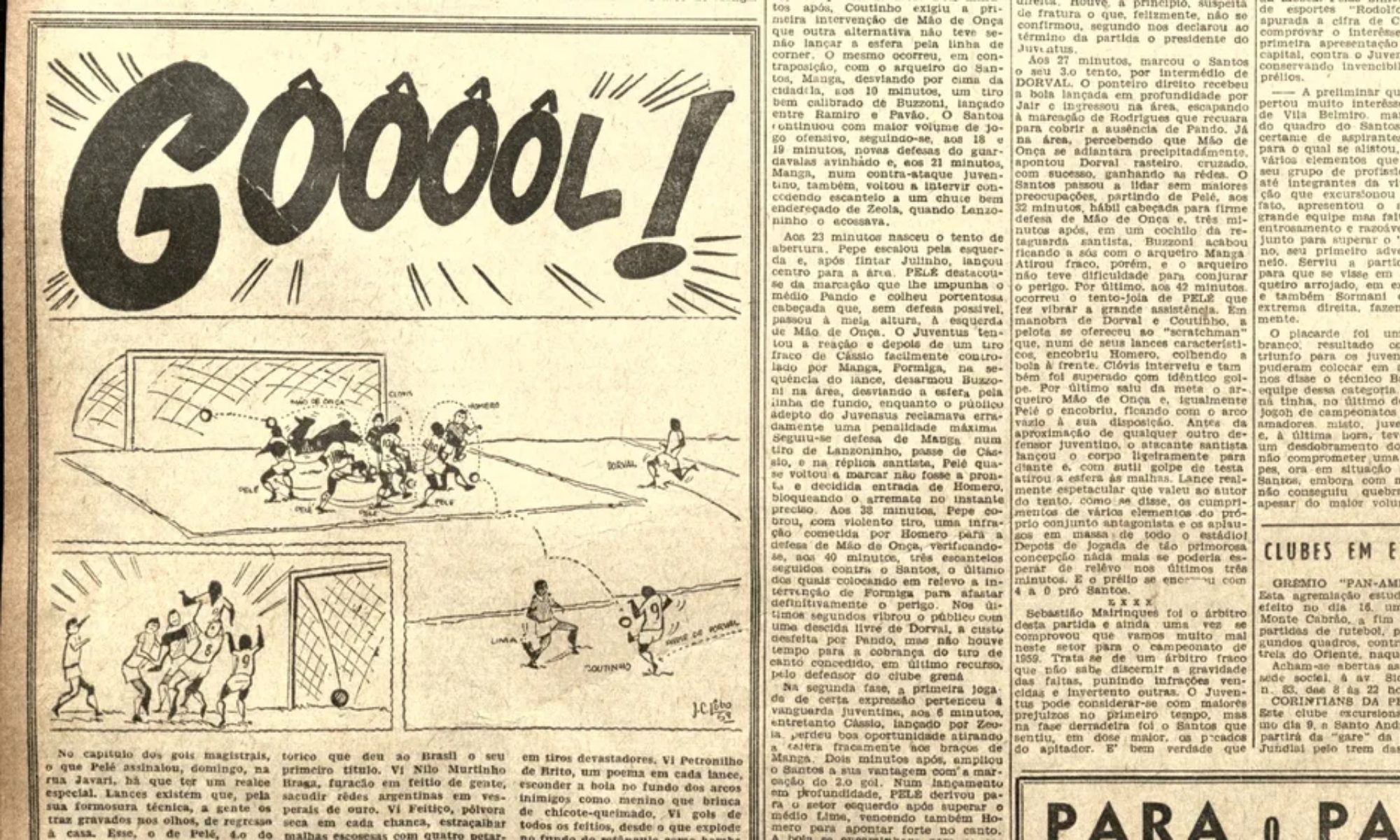 Google
The fact that it happened with the consent of Pele’s family, and with support from footballers, fans, and real historians, is something that seprates it from your usual cash-grab AI deployment. ““He would be so proud to see all this happening. He’d always say it was a shame that the goal was never recorded. So being able to relive it, with all this technology, is amazing.” Pele’s daughter was quoated as saying.

Nadeem is the Managing Editor at Digital Trends.
OpenAI patches ChatGPT desktop after user backlash over its recent redesign
ChatGPT's desktop app gets synced history, projects, and a new Chat and Work mode switch

ChatGPT's desktop app is getting a much-needed course correction. When OpenAI merged Chat, Work, and Codex into one unified desktop app roughly a week ago, the experience came with more issues than intended, burying basic features like chat history and making it awkward to switch between modes. Now OpenAI has rolled out a batch of fixes based on feedback to make the app feel consistent regardless of which device you use.
https://twitter.com/thsottiaux/status/2077928427936710901?s=46
I found five mechanical keyboards I’d happily recommend for Back-to-School
The right mechanical keyboard makes every assignment, game, and study session feel a little more satisfying.
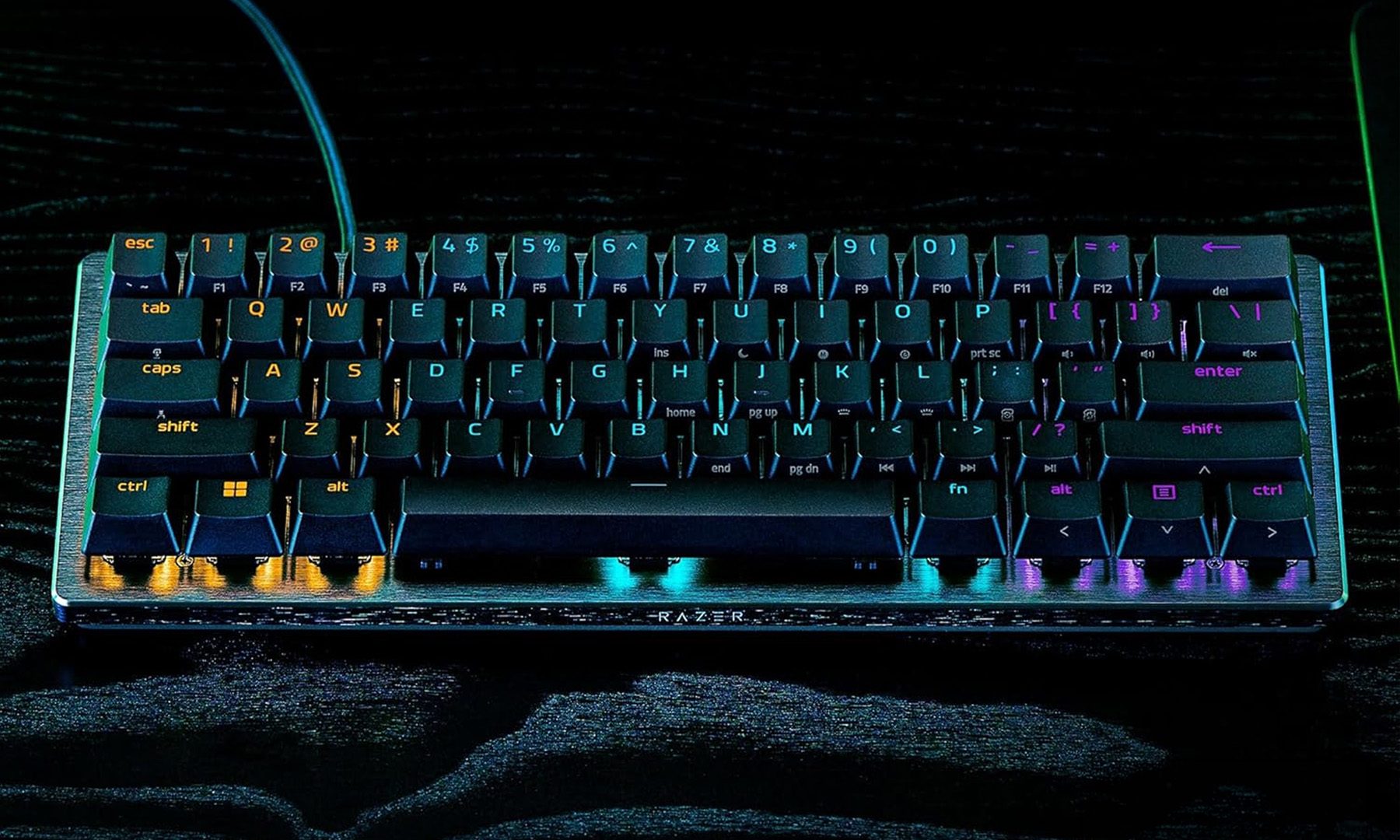
Shopping for a mechanical keyboard is a little different from shopping for a laptop. Unlike flashy specs or benchmark numbers, the right keyboard is something that gets appreciated every single day. Whether it’s taking notes in class, writing essays, coding late into the night, or unwinding with a few games after lectures. After looking through dozens of options, I kept coming back to these five. They cover everything from budget-friendly beginner boards to enthusiast-grade keyboards and esports-focused gaming options. More importantly, they’re keyboards I’d actually recommend buying for the Back-to-School season.
AULA F75 Pro
Sega’s Virtua Fighter Crossroads is coming to Nvidia’s wild new RTX Spark PCs
Virtua Fighter Crossroads will help showcase gaming on Nvidia’s new RTX Spark platform
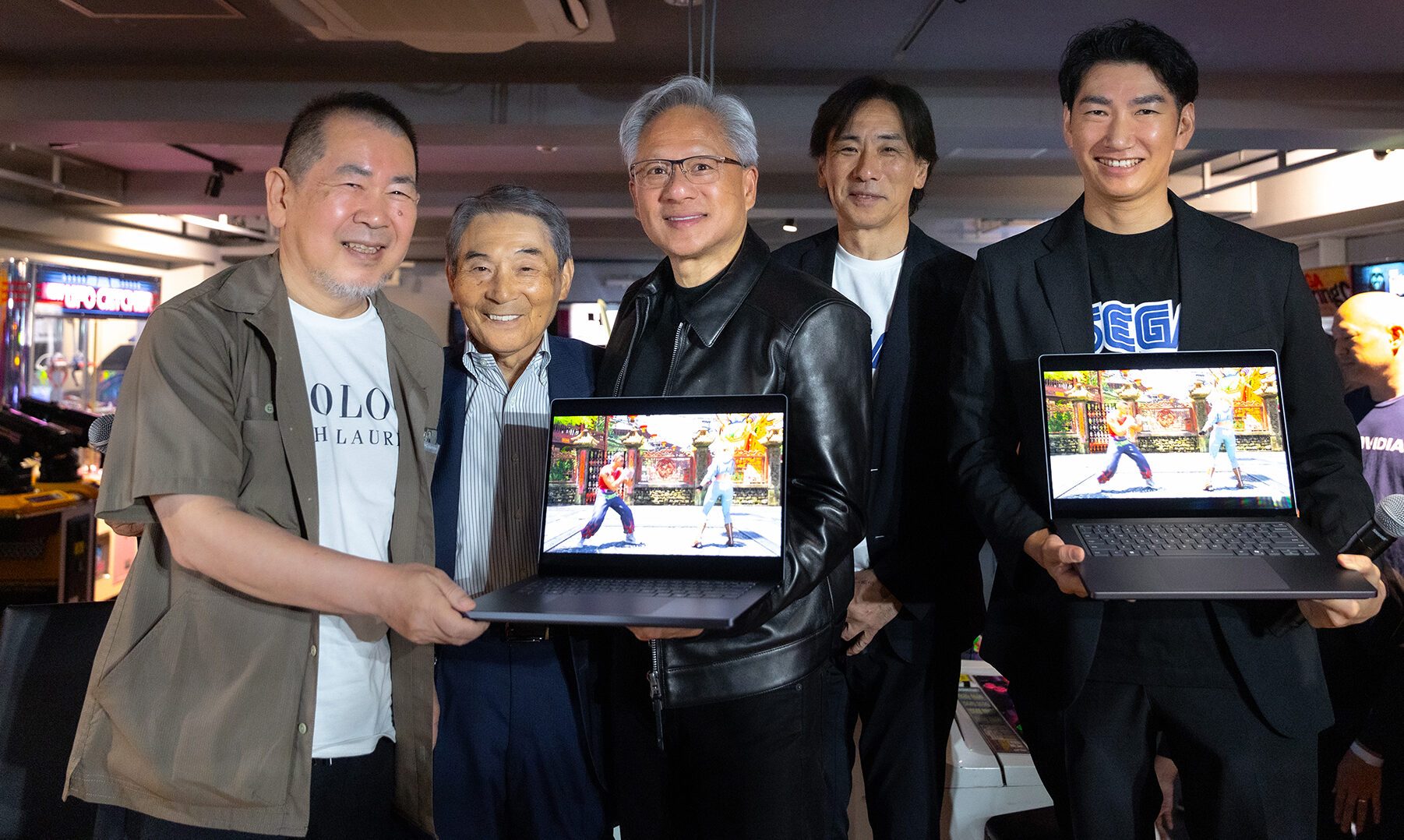
Nvidia’s new RTX Spark platform has landed one of its first major games. Sega has confirmed that Virtua Fighter Crossroads will run on RTX Spark-powered laptops and compact desktop PCs when the game arrives in 2027. More Sega titles are also heading to the platform, although neither company has named them yet.
The announcement also marks more than 30 years of collaboration between Nvidia and Sega, a relationship that began when Nvidia’s NV1 graphics chip helped bring the original Virtua Fighter to PC. Sega later helped keep the young chipmaker alive by turning a $5 million payment into an investment when Nvidia was close to running out of money.