Google’s AI Overviews are blabbering about fictional monsters as if they’re real
Google's AI Overviews are reportedly treating fan-fiction horror entries from the SCP Foundation as real, citing fake forensic records and pointing users to "official" documents.
 Tfoso
Tfoso

A new report claims Google's AI Overviews described fan-fiction horror creatures from the SCP Foundation as documented fact in at least 20 cases.
 Rachit Agarwal / Digital Trends
Google’s AI Overviews feature is reportedly presenting entries from the SCP Foundation, a popular fan fiction universe built around fake horror “anomalies,” as though they describe real creatures and events. Futurism found at least 20 cases where the AI-generated summaries skipped any mention that the SCP entries are fiction.
Confusing made-up monsters as the real thing
A search for “SCP-565” reportedly returned an AI Overview describing an “anomalous, ambulatory human head” that moves like a crab and is tied to forensic records and a deceased man’s identity. The summary even pointed users toward an “official” SCP document for further reading.
 Futurism
 Futurism
According to Futurism, a search for “SCP-426,” a fictional toaster that supposedly makes anyone who mentions it talk about it in first person, generated a response written in first person, with the AI describing itself as the toaster and detailing fabricated injuries from people trying to imitate it. Other examples cited in the report included “SCP-922,” called “Another Version of the Truth,” and “SCP-779,” a parasite said to mimic a fairy.
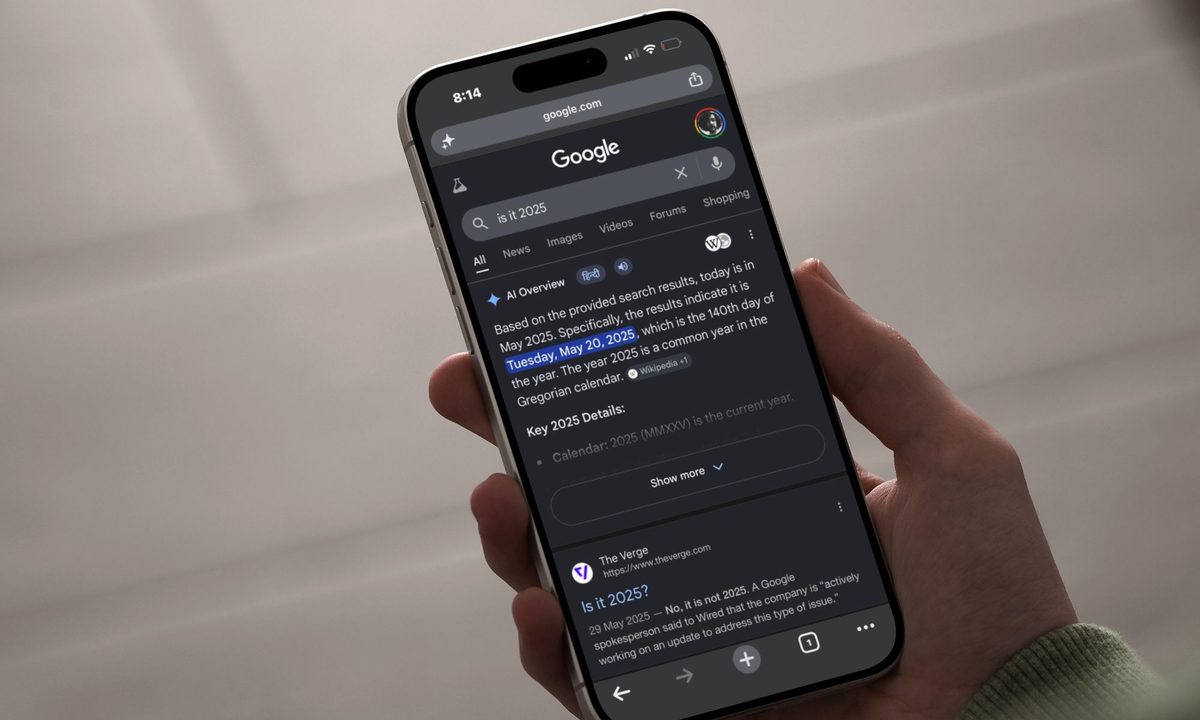
In each case, the AI Overview reportedly treated the SCP Foundation’s invented documentation as legitimate research rather than flagging it as fiction. This isn’t the first time Google’s AI-powered search results have confidently presented false information as fact, with past slip-ups ranging from wrong dates to invented historical claims.
No acknowledgment, no disclaimer
The SCP Foundation’s own website states clearly that its entries are fictional. Google’s AI Overviews rarely repeated that context, Futurism notes, occasionally referencing “lore” without explaining what that meant. Futurism reached out to Google for comment but did not receive a response before publishing.`
I tried to replicate these findings, but a search for “SCP-565” did not return an AI Overview at all, and Google’s AI Mode labeled the entity a “fictional anomaly” rather than presenting it as real. Trying to reproduce this behavior with other fictional characters in the SCP universe also came up empty, suggesting Google may have already addressed the issue, at least for some of the queries Futurism flagged. Google has previously rolled out updates aimed at making AI Overviews and AI Mode more reliable, though accuracy issues have continued to surface from time to time.
 Pranob Mehrotra / Digital Trends
 Pranob Mehrotra / Digital Trends
Although I wasn’t able to replicate this behavior, the mistake still matters because AI Overviews sit at the top of many Google searches, and anyone unfamiliar with the SCP community, including children, could come away believing the stories are documented fact rather than horror fiction. It echoes other AI Overview missteps, including an instance where the feature recommended adding non-toxic glue to pizza sauce, a reminder that confidently wrong answers remain a persistent risk in AI-powered search.

Pranob is a seasoned tech journalist with over eight years of experience covering consumer technology. His work has been…
Adobe’s new AI assistant could save you hours in Photoshop and Premiere
Premiere Pro users may never have to rename 500 video clips again

Adobe is making one of its biggest bets yet on AI-powered creativity. The company has announced a major expansion of its creative agent across Firefly and Creative Cloud, introducing AI assistants capable of handling complex, multi-step workflows across applications, including Photoshop, Premiere Pro, Illustrator, InDesign, and Frame.io.
The move positions Adobe's AI agent as a central layer connecting every stage of the creative process, from brainstorming and content generation to editing and final production. Rather than simply generating images or text, Adobe's vision is to create an assistant that can understand a creator's goal and execute a series of actions across multiple tools.
Trump says Intel will make chips for Apple in a major win for U.S. manufacturing
Intel Foundry may have landed its most important customer yet

Intel’s efforts to rebuild its chipmaking business may have landed its biggest customer yet. U.S. President Donald Trump announced on Thursday that Apple has agreed to work with Intel to design and manufacture chips in the United States, a deal that could significantly strengthen Intel’s foundry ambitions.
The announcement does not come out of the blue. Earlier reports indicated that Apple and Intel had been discussing a manufacturing partnership for more than a year and had already begun working together on select chip production projects.
A harmless-looking ChatGPT prompt opened the door to gruesome AI images
The findings show how image safety systems can fail without explicit graphic instructions.

A harmless-looking ChatGPT prompt pushed the latest public version of ChatGPT into generating sexualized and violent images, AI security researchers told the BBC. The finding puts new pressure on OpenAI’s image safety systems, since the request wasn’t described as plainly graphic.
Mindgard, a British AI security startup, said it reached the results by altering a widely shared instruction that had been used for comedy. OpenAI added safeguards after the BBC contacted it, but the researchers said small wording changes still produced concerning images.








/cdn.vox-cdn.com/uploads/chorus_asset/file/25845713/Installer_68.png)

/cdn.vox-cdn.com/uploads/chorus_asset/file/25845508/236834_Ray_Ban_Meta_Smart_Glasses_AKrales_0818.jpg)