Passengers not allowed to leave suspected hantavirus cruise ship until Canary Islands
The voyage to the islands is expected to take three days
 Kass
Kass
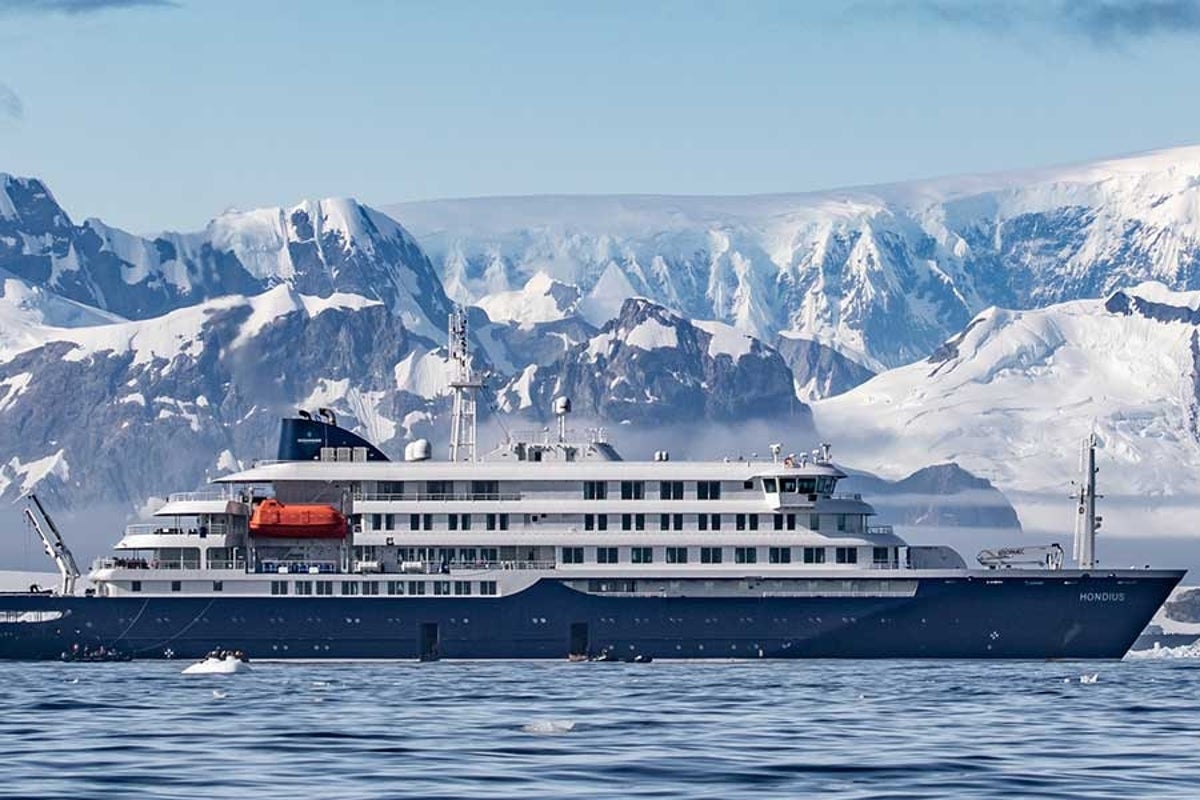
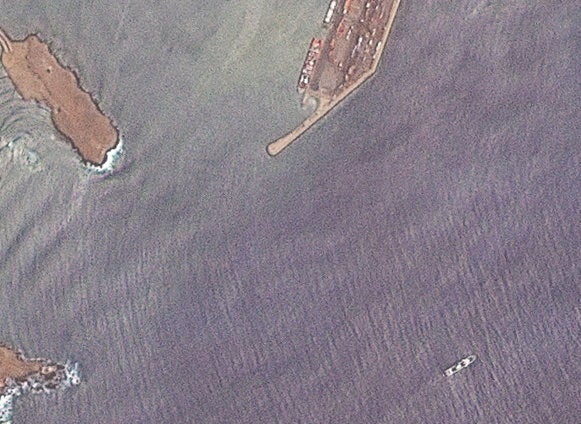
Passengers will not be allowed off the MV Hondius, location for a suspected outbreak of hantavirus, until it reaches the Canary Islands – 900 miles northeast of its present location, Cape Verde. The voyage is expected to take three days.
Three people who were on the voyage from Argentina to Cape Verde have died and a British man is in hospital in South Africa.
The health authorities in Cape Verde have refused to allow the non-symptomatic passengers and crew to disembark.
Dr Maria van Kerkhove, director for Epidemic and Pandemic Preparedness and Prevention at the World Health Organisation (WHO), has been explaining the latest thinking on BBC Breakfast about the reported outbreak aboard the MV Hondius.
She told the programme the two crew members – one British, one Dutch – who are currently experiencing acute respiratory symptoms will be flown to Europe as soon as possible.
“Our top priority right now is to support the two ill patients who are on board to make sure that they are Medivaced and receive the proper care in the Netherlands,” she said.
The ship owner, Oceanwide Expeditions, said last night that two air ambulances are being dispatched to bring the crew members back, along with the partner of the German victim who died on board on 2 May.
Dr Van Kerkhove said: “We’re working with authorities in Cape Verde, and the Netherlands and others to make sure that that happens as quickly and as smoothly as possible.
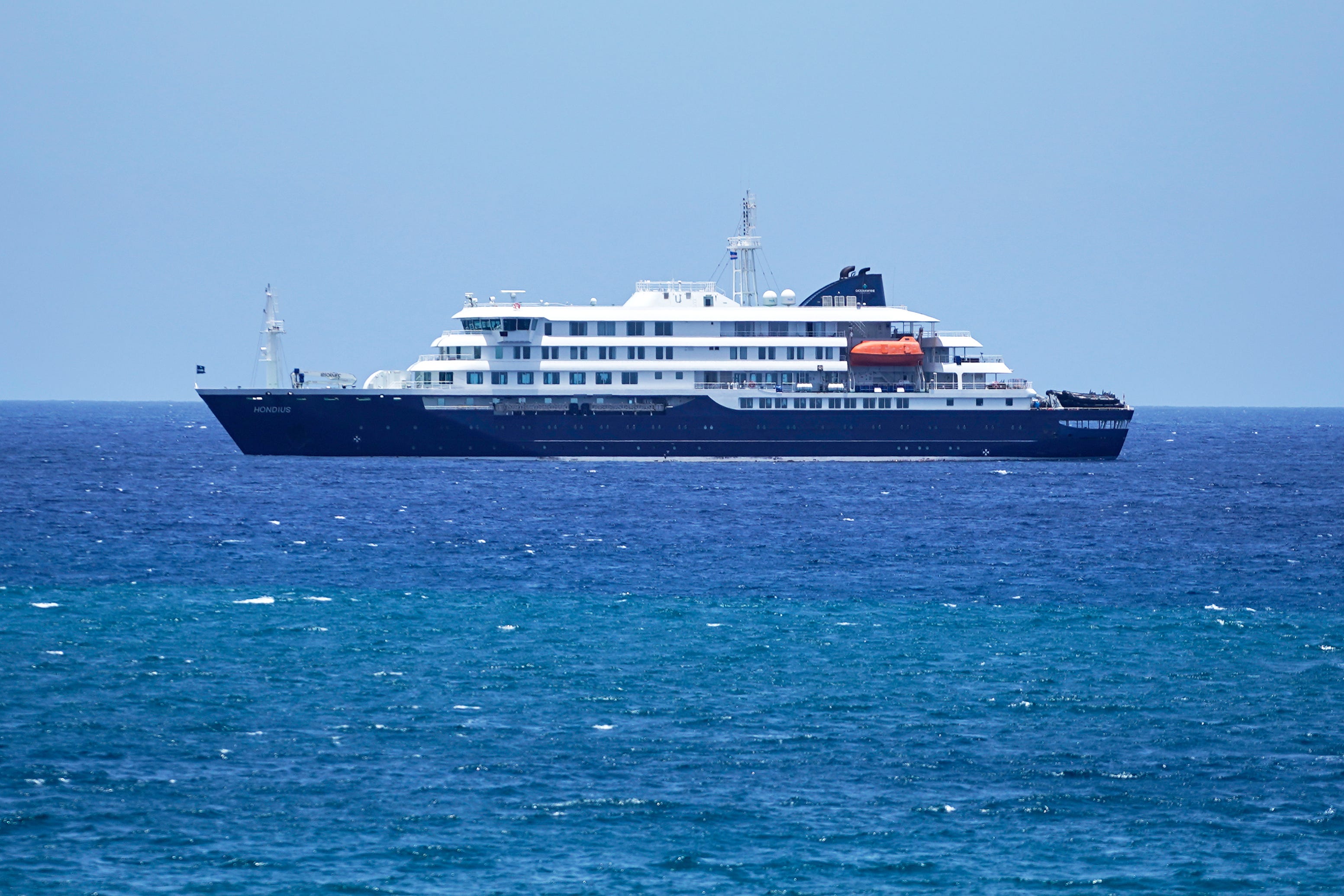
“Our working hypothesis is that there’s probably a couple of different types of transmission that might be happening: maybe some infection – exposure to rodents or their faeces or their saliva before passengers embarked – and potentially some limited human to human transmission among the contacts.”
Dr Van Kerkhove stressed: “Aside from those two sick individuals, who we are working to Medivac, there are no other symptomatic people on board.”
The WHO expert said: “We’re working with the ship’s operators, we’re working with the nations from where they are from, to make sure that we have a plan for where the boat goes next, which will be the Canary Islands, and to make sure that there’s a proper assessment that is done, that information is shared with them, that they receive food, they receive water, and of course that they’re medically evaluated over the course of several weeks.
“We want to ensure that they are safe, we want to ensure that even if they are infected – and like we said, we have no other symptomatic people on board – to make sure that they will receive medical care.
“I do want to thank South Africa for some incredible laboratory work that they have done in recent weeks. Our assumption is that it’s the Andes virus. The hantaviruses are many different types of viruses.
“We do know that one of the viruses can transmit between people, but in previous outbreaks, it’s been quite limited – and when I say limited, I mean among close contacts or with prolonged contact.
“We have a working hypothesis that there’s probably a mixture of different types of transmission.
“This is also a boat that went to many different islands. They were looking at wildlife, they were looking at birds, and on some of these islands, there’s rodents as well.
“So there could be a mixture of exposure to rodents in different places, but because some of the cases are close contacts, sharing cabins together, our assumption is that there’s a bit of a mix.”
Hantavirus has an incubation period of up to eight weeks. Dr Van Kerkhove said: “We’re working with Spanish officials to actually develop that plan to make sure that there is a plan in place for an assessment on board once the ship docks in the Canary Islands to do a proper risk assessment.”
“It’s not about docking and letting everybody go without any follow-up or any support.”