Sitkari Pranayama (Hissing Breath): Meaning, Steps, Benefits, and Precautions
Sitkari Pranayama is a cooling breathing practice in yoga that helps reduce body heat and calm the mind. It is especially helpful during hot weather or when the body feels overheated due to stress, acidity, or intense activity. This...
 MikeTyes

Sitkari Pranayama (Hissing Breath): Meaning, Steps, Benefits, and Precautions
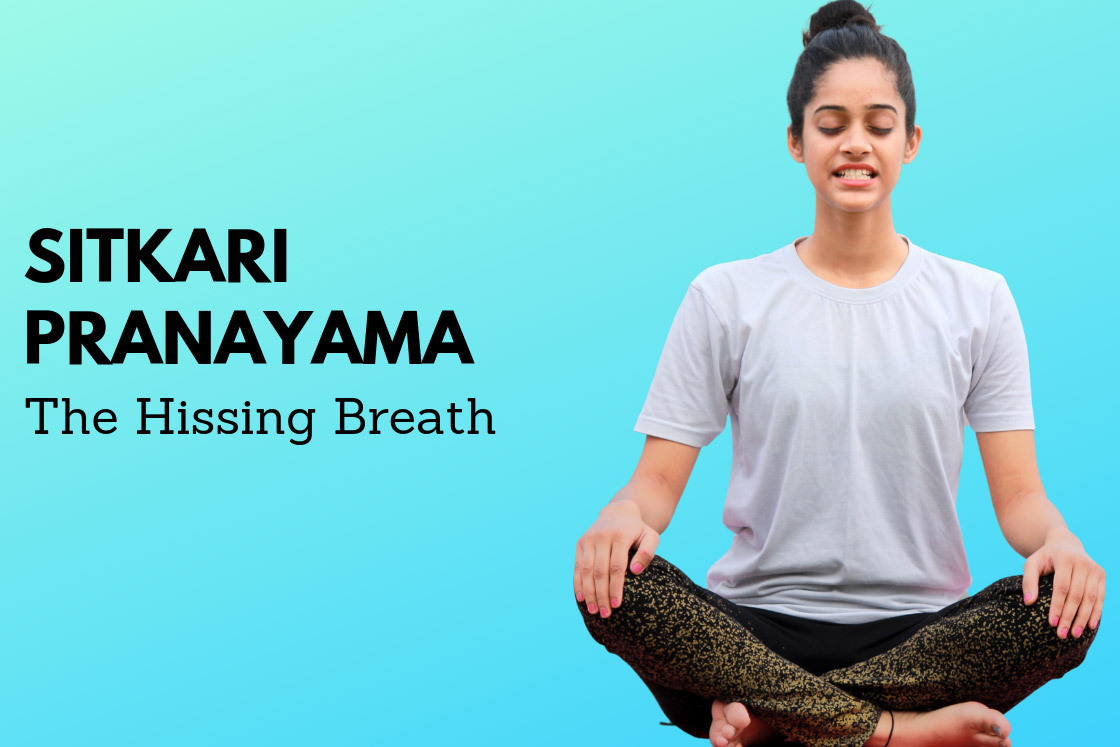
Sitkari Pranayama is a cooling breathing practice in yoga that helps reduce body heat and calm the mind. It is especially helpful during hot weather or when the body feels overheated due to stress, acidity, or intense activity.
This pranayama is described in traditional Hatha Yoga texts as a simple method to cool the system and bring balance to the body. In Hatha Yoga Pradipika, Sitkari is mentioned as a practice that helps regulate internal heat and support a calm mental state.
Because of its cooling and soothing effects, Sitkari Pranayama is still widely practised today. Many yoga practitioners include it in their routine to relax the mind, balance internal heat, and bring a sense of ease to the body.
Also Read: Another Cooling Breath Using Rolled Tongue
Meaning of Sitkari
The word “Sitkari” comes from Sanskrit and refers to the hissing sound produced during the practice. In Sitkari Pranayama, air is gently drawn in through the gaps between the teeth, creating a soft hissing sound.
In yogic understanding, this sound resembles the natural hissing of a snake. Just as a snake releases tension through its breath, Sitkari Pranayama is believed to help release excess heat, anger, and inner agitation from the body.
Because of this characteristic sound, Sitkari Pranayama is often called the “Hissing Breath.” The practice is known for its cooling effect, helping calm the nervous system and allowing the flow of Prana (life force) to move more smoothly through the body.
How to Do Sitkari Pranayama(Steps)
Sit comfortably in a cross-legged position such as Sukhasana. Keep your spine straight and relax your shoulders. You may close your eyes and rest your hands on the knees in Gyan Mudra to support calm breathing. Gently press the upper and lower teeth together. Keep the lips slightly open so that the teeth remain exposed. Curl the tongue upward so the underside of the tongue lightly touches the upper palate. If you cannot curl the tongue, simply rest it behind the teeth. Inhale slowly through the gaps between the teeth. As you breathe in, feel the cool air entering the mouth and filling the abdomen first, then the chest. A soft hissing sound may naturally arise during the inhalation. Close the lips and gently exhale through the nose in a slow and controlled manner. This completes one round of Sitkari Pranayama. Continue for several rounds while maintaining slow and relaxed breathing.Additional tips
For beginners, maintain an inhalation-to-exhalation ratio of 1:1. As you become more comfortable, you can gradually extend the exhalation to 2 or 4 times the duration of the inhalation. Advanced practitioners may incorporate breath retention (Kumbhaka) and bandhas. After inhaling, hold the breath and lower your chin to your chest (Jalandhar Bandha), then exhale slowly.Precautions
To practise Sitkari Pranayama safely, keep the following points in mind: Avoid practising in very cold weather or when your body already feels cold, as this pranayama has a cooling effect. Practise on an empty stomach, or at least 2–3 hours after a meal, to allow comfortable breathing and proper digestion. Make sure the body temperature and surrounding temperature are not extremely different, since inhaling very cold air may irritate the throat or lungs. Avoid long breath retention (kumbhaka) during Sitkari Pranayama, as it may reduce the natural cooling effect of the practice. Do not practise in highly polluted environments, as breathing through the mouth may allow more pollutants to enter the body.Contraindications
Although Sitkari Pranayama is generally safe, it should be practised with care in certain conditions.
People with respiratory conditions such as asthma or bronchitis should practise cautiously or avoid it unless guided by a yoga teacher or healthcare professional. Those with low blood pressure (hypotension) should avoid practising this pranayama. It is not recommended during colds, flu, or nasal congestion, as breathing through the mouth may increase discomfort. Individuals with sensitive teeth or gaps between the teeth may experience discomfort due to the flow of air through the teeth. Pregnant women should practise only after consulting a qualified healthcare professional or experienced yoga teacher. People with chronic digestive disorders should avoid this practice or seek guidance before practising.Note: Sitkari Pranayama is often practised as an alternative for those who cannot roll their tongue to perform Sitali Pranayama.
Sitkari Pranayama Benefits
Sitkari Pranayama is a cooling breathing technique in yoga that helps reduce body heat and calm the mind. The gentle flow of air through the teeth creates a cooling sensation that can relax the nervous system and ease stress. Practised regularly, it may support digestion, improve mental clarity, and help balance excess Pitta, especially for those who experience heat or acidity in the body.
Reduces Body Heat: Sitkari Pranayama is well known for its cooling effect. The breath drawn through the teeth brings a refreshing sensation that can help lower body heat and make the body feel more comfortable, especially in warm climates. Helps Calm Stress and Anxiety: This breathing practice has a soothing effect on the nervous system. The slow and mindful breathing helps relax the mind, reduce stress, and create a sense of inner calm. Supports Healthy Digestion: Regular practice of Sitkari Pranayama may help stimulate digestive functions and reduce discomfort related to hyperacidity. By calming the body, it allows the digestive system to work more smoothly. Regulates Internal Heat: In yoga, Sitkari is often practised to balance excess heat in the body. It helps create a natural cooling effect, which can be beneficial for people who experience frequent heat, irritation, or restlessness. Balances Pitta Dosha: According to Ayurveda, Sitkari Pranayama helps balance Pitta dosha, which is linked with heat and inflammation. Practising this cooling breath may help reduce excess heat and bring a more balanced state to the body. May Support Skin Health: Because of its cooling nature, this pranayama may also help soothe the body from within. It can be supportive for people who experience skin irritation or inflammation related to excess heat.. Improve Mental Clarity: The calming and cooling effect of Sitkari Pranayama can help clear mental restlessness. With a relaxed mind, it becomes easier to focus, concentrate, and think more clearly..Conclusion
Sitkari Pranayama is a simple cooling breathing practice described in Hatha Yoga. By drawing the breath gently through the teeth, it creates a cooling effect that helps calm the body and settle the mind. This makes it especially helpful during hot weather or when the body feels overheated due to stress or acidity.
With regular practice, Sitkari Pranayama may support digestion, improve mental clarity, and help balance excess Pitta in the body. As a gentle and accessible pranayama, it can easily be included in daily yoga practice to bring a sense of calm, balance, and inner cooling.
FAQs
Q.1 What is the difference between Sitkari and Sitali Pranayama?
In Sitali Pranayama, air is inhaled through a rolled tongue, while in Sitkari Pranayama air is inhaled through the gaps between the teeth.
Q. 2 Is Sitkari Pranayama safe for beginners?
Yes, Sitkari Pranayama is simple and generally safe for beginners when practised gently and without forcing the breath.
Q. 3 How long should Sitkari Pranayama be practised?
Sitkari Pranayama can be practised for 5–10 minutes, depending on comfort and experience. Beginners should start with a few rounds and gradually increase the duration.
Q. 4 When is the best time to practise Sitkari Pranayama?
It is best practised in the morning or evening on an empty stomach, especially during hot weather.
Q. 5 Who should avoid Sitkari Pranayama?
People with respiratory issues, low blood pressure, or sensitive teeth should practise with caution or avoid it.
Q. 6 Is Sitkari Pranayama good for acidity?
Sitkari Pranayama may help reduce excess body heat, which can support relief from hyperacidity and digestive discomfort.
Q.7 Can Sitkari Pranayama be practised in winter?
Sitkari Pranayama is generally not recommended in very cold weather because it has a cooling effect on the body. It is usually practised during warm seasons or when the body feels overheated.
About The Author

Dr. Rishita Chandra
Rishita is pursuing a Master's degree in Public Health with a passion to be able to effectively maintain healthcare standards and successful implementation of Health Programs and Policies. Health information through effective communication and strong leadership is one of her goals as a Public Health professional. She also writes about Yoga, Meditation and importance of psychological and spiritual health.