The Birkenstock Blues: Shopping and Minimalism
In a recent No Sidebar article, I proudly wrote: “Shopping is no longer a form of entertainment for me. I recognize the difference between an impulse buy, an alleged bargain, and an actual need.” During a visit with a...
 JaneWalter
In a recent No Sidebar article, I proudly wrote: “Shopping is no longer a form of entertainment for me. I recognize the difference between an impulse buy, an alleged bargain, and an actual need.”
During a visit with a dear friend this week, I was called on the carpet about my shopping habits and self-professed minimalist lifestyle. My friend’s off-handed comment prompted me to take a deeper dive into my shopping habits.
For context, let me share the relevant piece of our conversation. I was describing, with enthusiasm and in great detail, a half-price clearance sale offered once a year each at a local shop. I gave examples of the great deals my husband and I found. She said, “that’s not very minimalist, is it?”
I’m sure this conversation was a blip on her radar screen, but for me it was like the music stopped for a minute. But I am a minimalist! And as a person who thoroughly enjoys overthinking things, my mental wheels began to turn.
I’ve taken some time to more carefully consider my spending habits. There are a few areas where I’m accumulating more than I need.
I’ve made some minimalist missteps in my purchasing decisions of late. I have, in fact, been lured by alleged bargains and made impulse purchases when I didn’t need the items I bought.
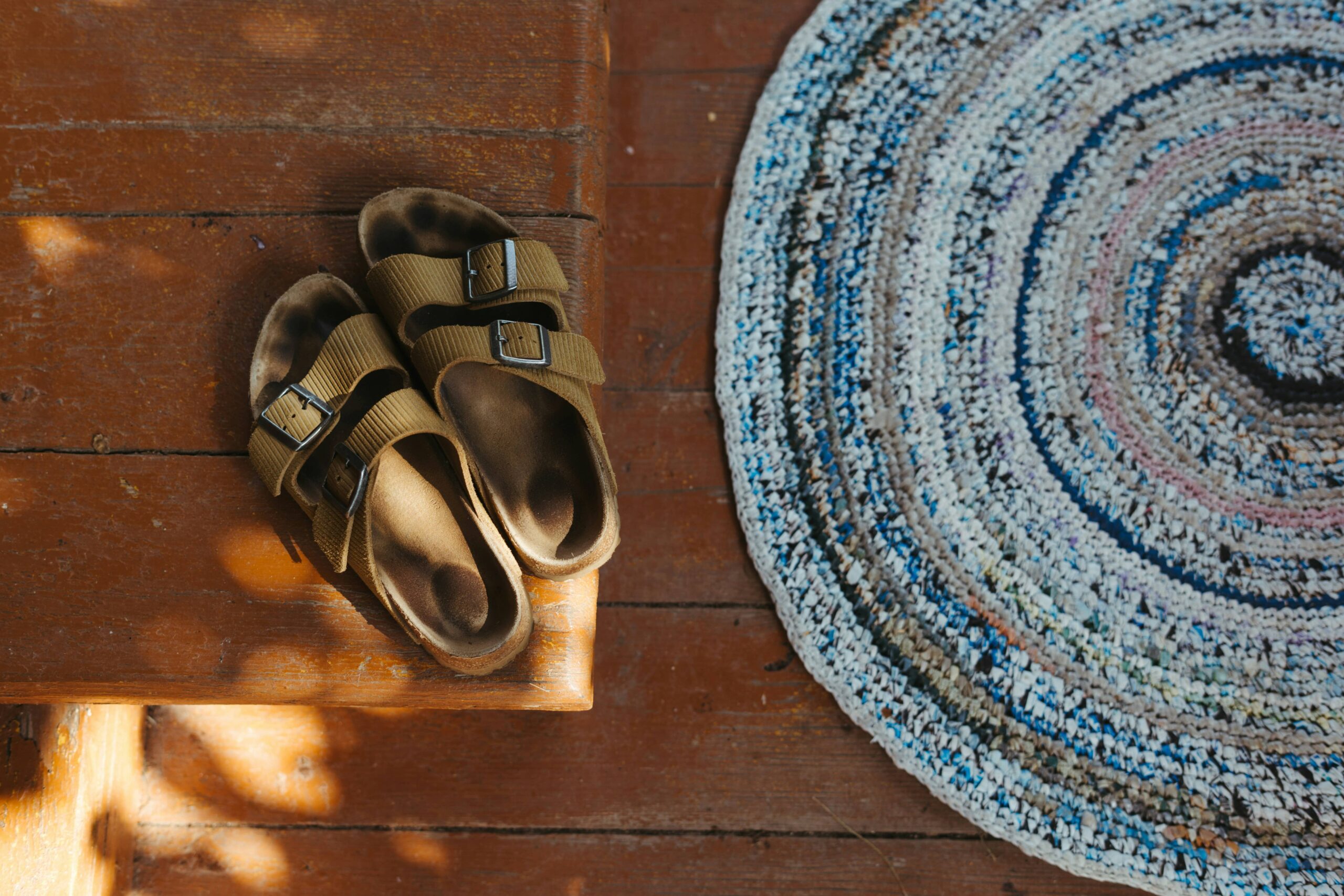
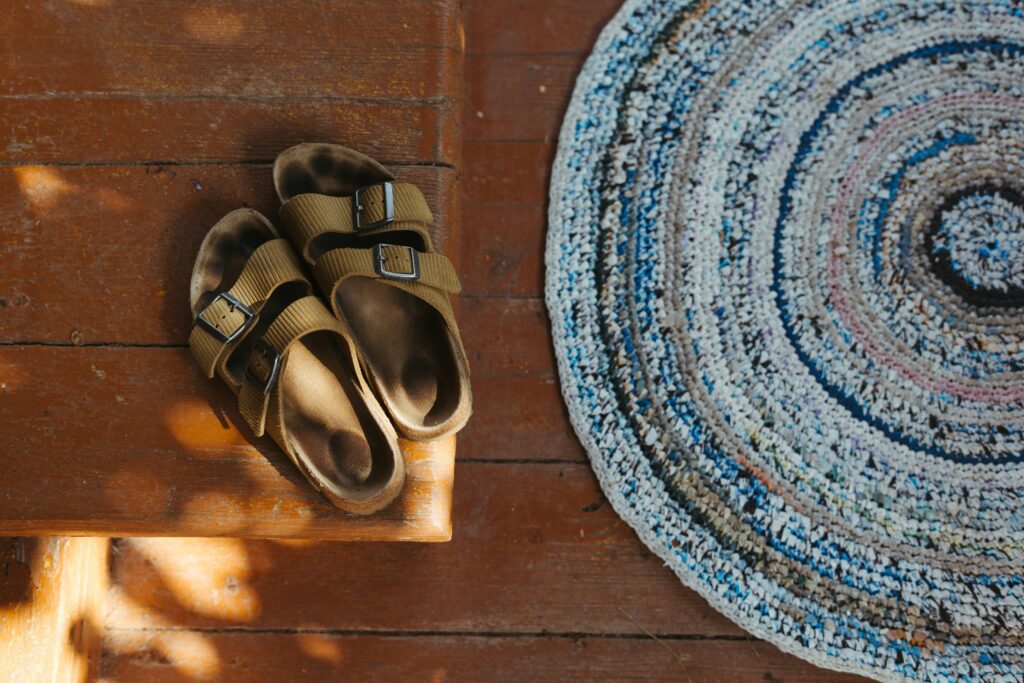
But the Birkenstocks were Fifty Percent Off!
I have had a love affair with Birkenstocks for many years. Stumbling across an opportunity to buy them at half price seemed incredible. The result is that I now own four pairs when the two I already had would have sufficed.
Sadly, the two new pairs are not exactly what I would have chosen if I had been paying full price. The rub here is fairly evident.
These were alleged bargains, and I didn’t make the purchases based on need. The sense of feeling lucky to find shoes in my size at such a low price lured me in. If one pair was a steal, two were even better. The second pair was an impulse buy.
Plenty of money was spent, the lesson is clear, and I feel the little pang of regret. When I need a new pair I will pay full price to purchase exactly what I want. Due to the durability of the shoes, this will likely be far in the future.
But I Use Them Every Day!
I notice that I am slowly amassing a few collections of specific items: running shoes and shorts, and sunglasses. These things are useful to me. They support my health and fitness so the more the better, right?
I have nine pairs of running shorts and six pairs of running shoes (although two well-worn pairs are now used for walking). I own six pairs of sunglasses: three for running, two for driving, and one for reading.
I can offer rationalizations, but obviously only one pair of each item can be worn at a time. I have more than I need. The good news is that everything will eventually wear out through use and little storage space is required.
I bought some of these things because they were my preferred brand and were on sale; same theme as above with the Birkenstocks, how interesting.
BOGOs: Is the second one really free?
Each week I look at my favorite grocery store’s app for the sale flyer. I like to save money by stocking up on foods we regularly eat when they’re on sale, especially BOGO deals.
I have in the pantry ten jars of my favorite jam. Actually counting them made me feel a bit uneasy.
Paying full price for a jar of jam would not impact our household finances in a meaningful way. It may actually have less of an impact than buying ten jars at once on sale.
I feel good about the fact that the pantry in all other ways looks in order. I can see everything and there is room to spare. The jam will be eaten since I have it with breakfast every morning, but perhaps looking at the app is a habit to eliminate.
Aim to Purchase Based on Current Need
There was a time years ago when I would go to the mall if I felt a bit down. I’d wander in search of something to give me a little lift: a new top, a candle, throw pillows, a journal or other unneeded things that weren’t too expensive. During my early decluttering days, many of these kinds of purchases were donated or tossed.
While I no longer shop to improve my mood, I do monitor prices and enjoy searching for deals. This is proving to be a slippery slope. When I see low prices on things I use but don’t yet need, the thought of a purchase become incredibly alluring.
Making intentional purchases means postponing shopping until there is an actual need. The deals and sales that I’m finding will come again. This is a simple concept on the surface, but it requires a tweak to my consumer behavior.
When I feel the urge to poke around online, I plan to close the laptop and redirect my attention to something more productive and meaningful. After all, isn’t that the beauty of a minimalist lifestyle?
***
About the Author: Jennifer Tritt enjoys writing about her minimalist lifestyle and insights about simplicity. You can find out more about her on her Facebook.




















.jpg&h=630&w=1200&q=100&v=1a56ad72fe&c=1)


.jpg&h=630&w=1200&q=100&v=c0f97a310e&c=1)