The US is trying to kick foreign robots out, but the local supply chain might not be there yet
The FCC just banned foreign-made robots that fall short of a 65% domestic component threshold.
 Hollif
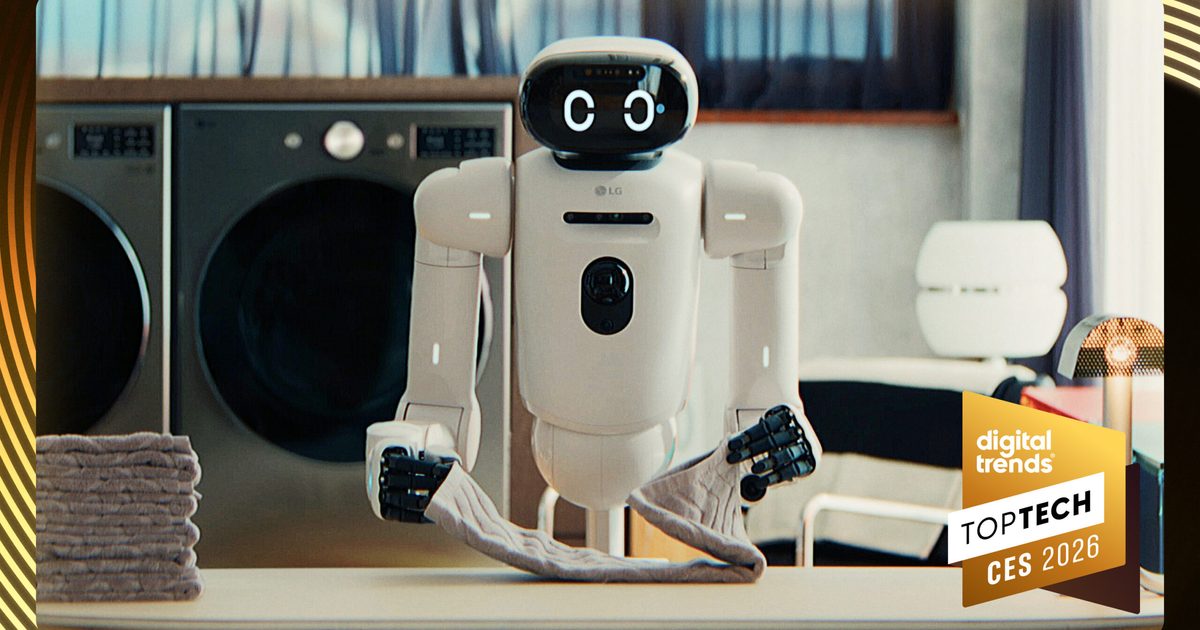
Building a robot supply chain from scratch takes years that Washington isn't giving anyone.
 LG / Digital Trends
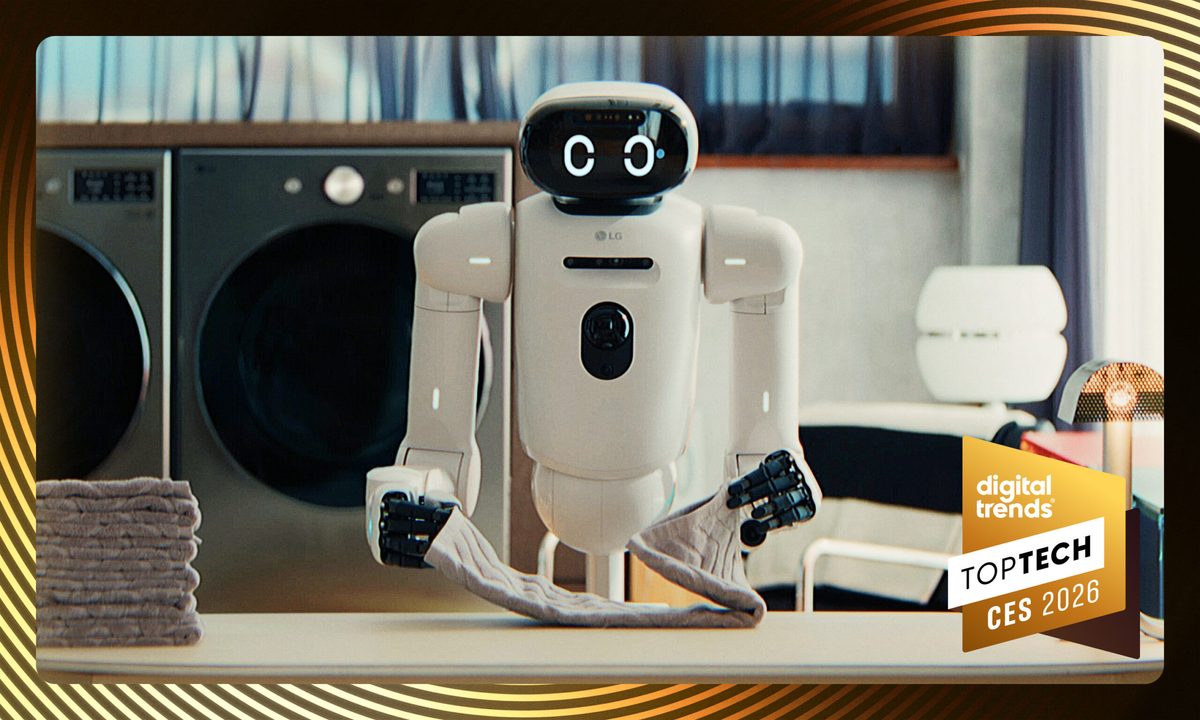
The FCC has a track record of using its Covered List to squeeze Chinese tech out of American markets, and robots just became its newest target. Foreign-made humanoids, quadrupeds, and even robot vacuums now need to be mostly built in the U.S. to sell here (via Rest of World).
So what does the new rule actually require?
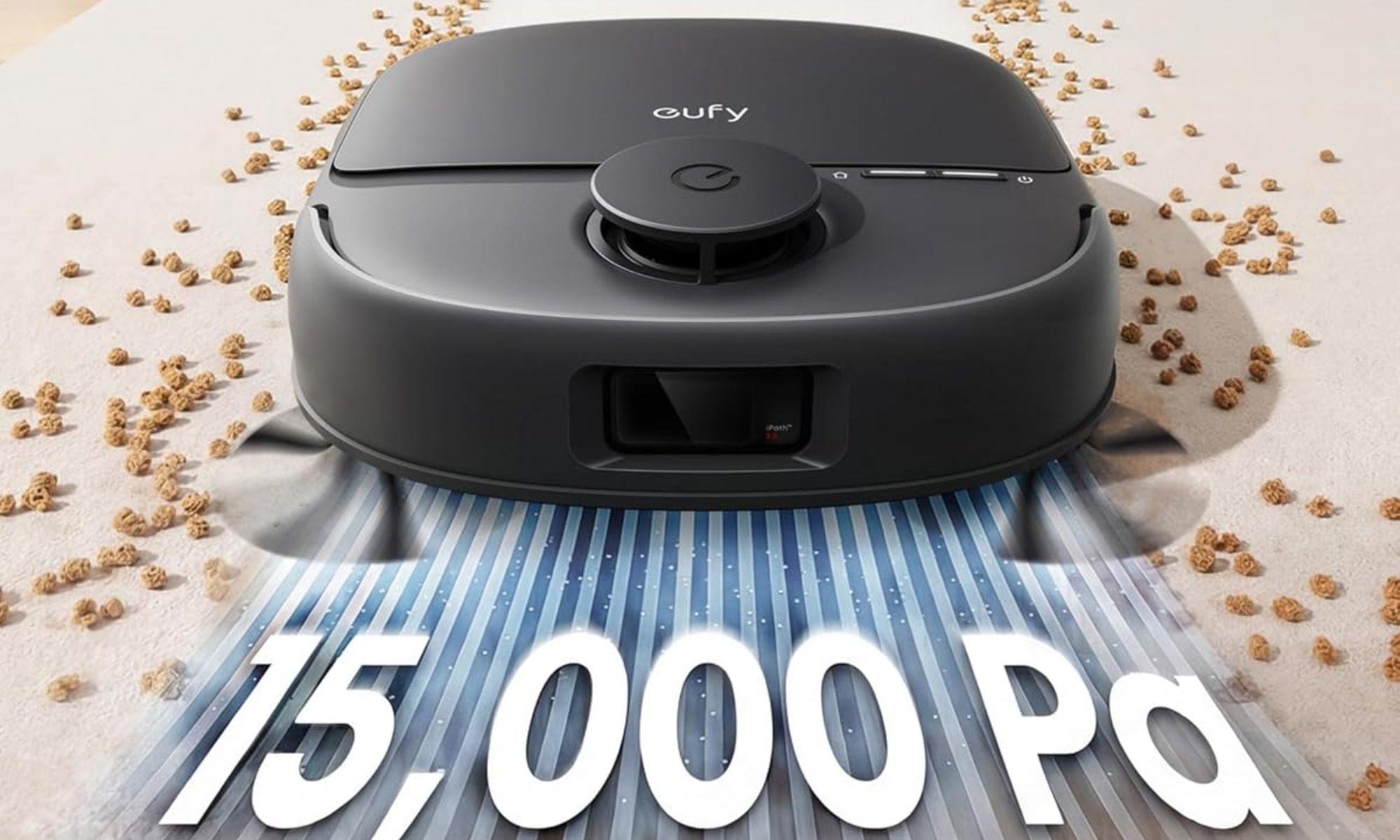
The FCC added “advanced robotic devices” to its Covered List last month, the same national security roster that’s previously blocked devices from Chinese companies like Huawei and ZTE. New models of foreign-made humanoids, quadrupeds, robot vacuums, and even lawn mowers are now barred from entering the U.S. market.
 Eufy
Eufy
Only models assembled domestically and sourcing at least 65% of their component value from within the U.S. qualify. The threshold will climb to 75% by 2029. The policy doesn’t target any single country (or mention one), but it’s widely understood as aimed squarely at reducing Chinese imports.
The good news is that existing products (already on sale) aren’t affected. Robots imported purely for research and development (not for commercial sale) stay exempt from the rule for now.
How are startups actually reacting to this?
Founders say hitting 65% local sourcing threshold is nearly impossible right now. Plenty of motors, sensors, and actuators are either too expensive, too slow to source, or, the worst one of all, simply unavailable domestically. The issue is so severe that employees have reportedly flown parts over from China in their luggage just to keep prototypes moving.
 AIDOL
AIDOL
Michael Perry of Persona AI put it bluntly: “You need to provide the carrot as well as the stick.” Not everyone’s upset, though. Oregon-based Agility Robotics and San Francisco’s Nori Robotics both welcome the rule, stating that it will eventually shield them from cheaper Chinese competition.
However, there’s no denying that the rule complicates sourcing for the immediate future. China didn’t end up controlling robotics manufacturing by accident. Decades of state investment, a deep engineering workforce, and a boom in electric-vehicle production carved out the kind of sensor, battery, and actuator supply chain robots also rely on.
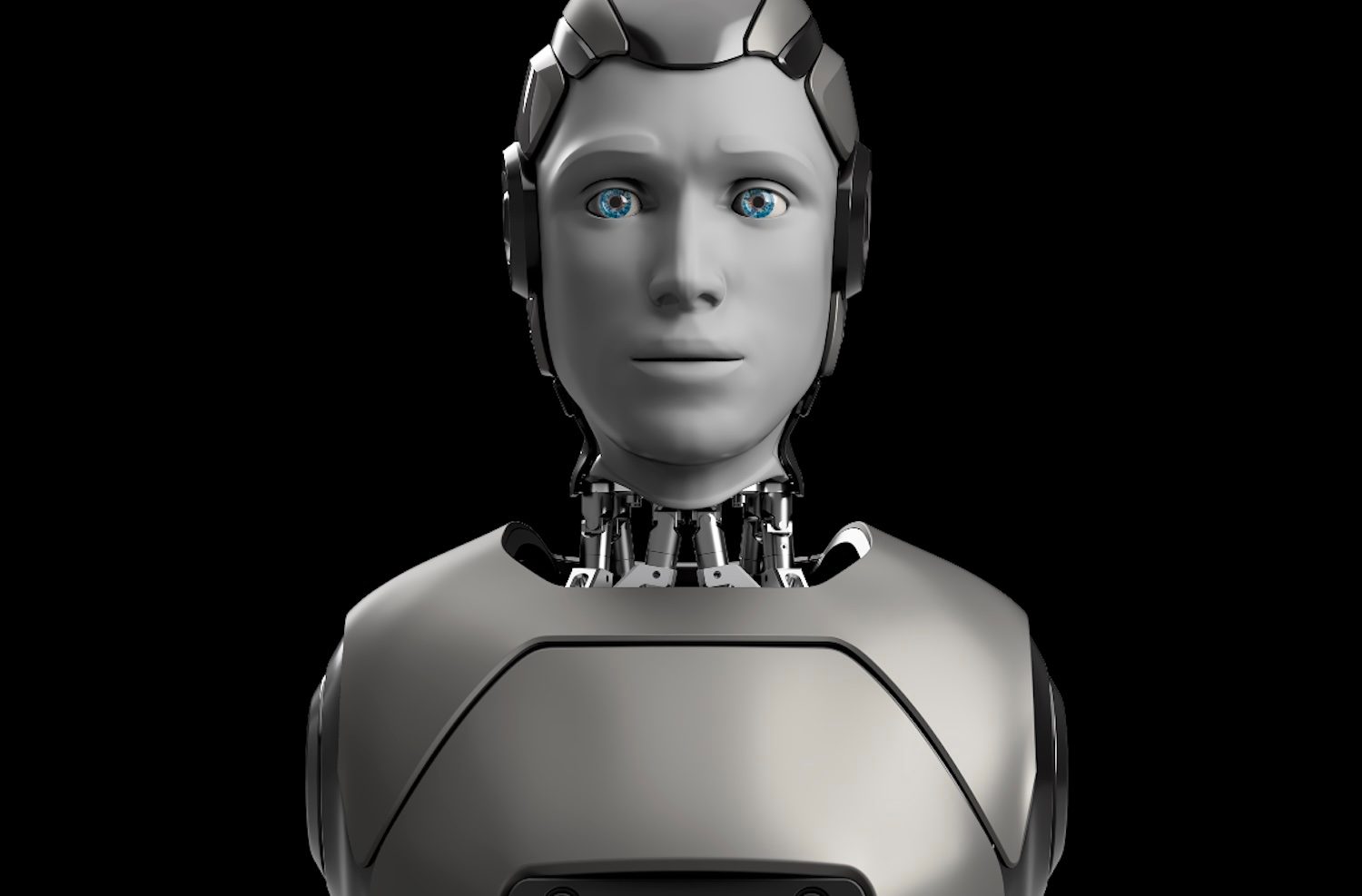
The result: Chinese-made humanoids account for nearly 90% of everything sold worldwide in 2025, according to research firm Omdia.

For more than five years, Shikhar has consistently simplified developments in the field of consumer tech and presented them…
Acer just dropped a MacBook Neo rival with a better display, memory, and ports
MacBook Neo’s latest Windows rival brings more RAM, more storage, and 120Hz display
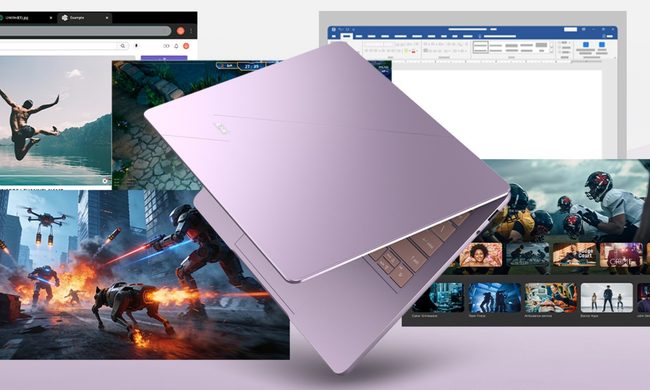
Apple’s MacBook Neo has quickly become the laptop that inexpensive Windows machines have to answer. Acer’s latest Go Air has apparently decided that the best response is to start ticking off some of the hardware Apple left behind.
Acer has launched a new Go Air configuration in China powered by Intel’s recently released Core 5 320 processor. It comes with 12GB of LPDDR5 memory and a 512GB SSD for CNY 5,499, which converts to roughly $815. Global availability for this specific configuration hasn’t been announced, though it appears to be practically identical to the Acer Swift 14 that was showcased during Computex 2026.
MelGeek MADE68 Ultra V2 Review: Great for gaming, even better than I expected for typing
Rapid Trigger is great, but the switches and acoustics are what won me over.
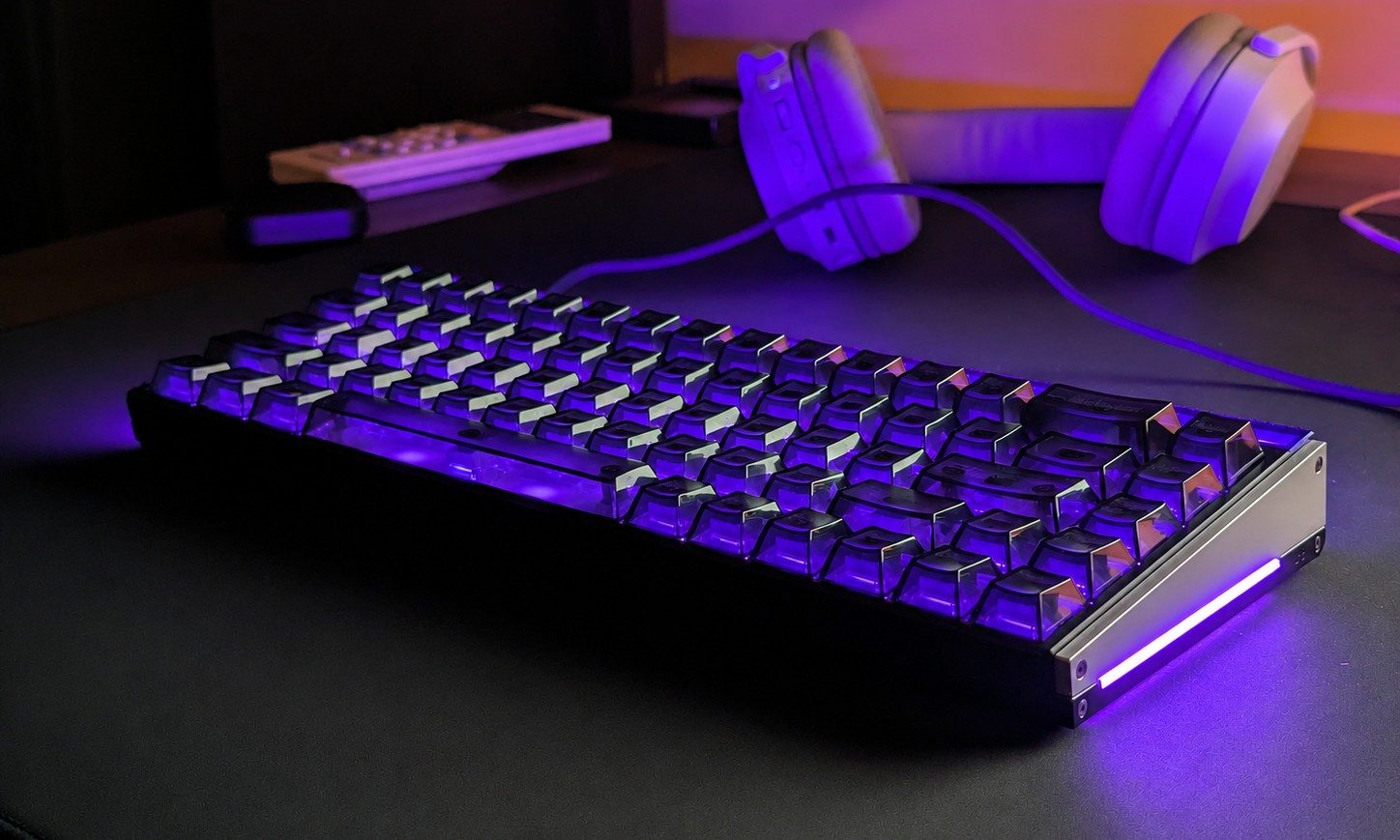
I have spent years using mechanical keyboards, and Hall Effect switches never really tempted me away from them. I understood the gaming appeal. Adjustable actuation and Rapid Trigger can make a meaningful difference in competitive games, but I also spend hours every day writing. Typing experience matters just as much to me.
The $219 MelGeek MADE68 Ultra V2 has made that distinction considerably harder to maintain.
ChatGPT’s Computer History has one big privacy problem
The feature stores interaction data locally, but OpenAI says those files aren't encrypted.
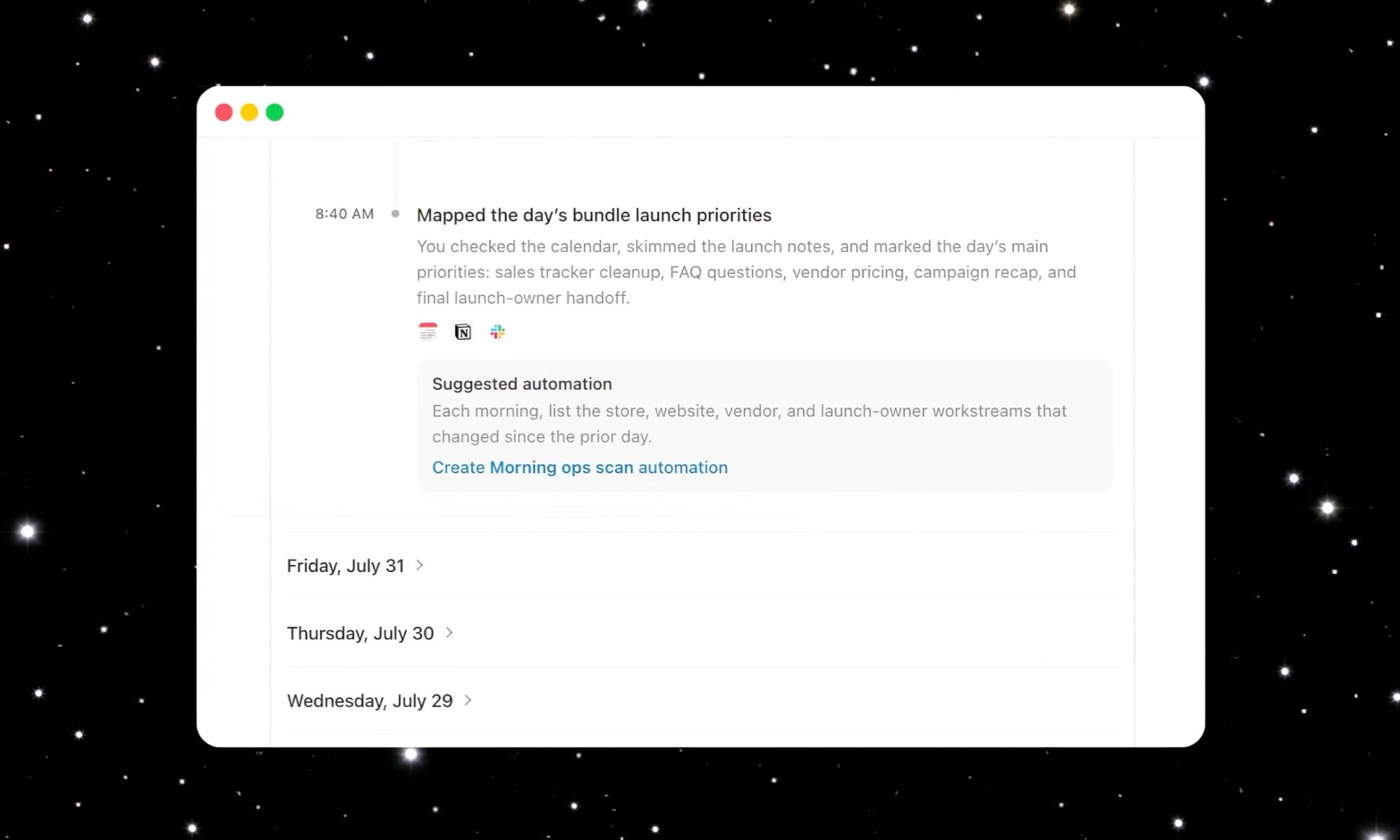
We've already covered how ChatGPT's Computer History feature lets the Mac app remember what users have been doing across apps and websites, using interaction events such as clicks, typing, and app switching rather than screenshots or recordings. However, a rather uncomfortable detail in OpenAI's official documentation is that the files containing that history aren't encrypted.
Your Mac history is stored as plain text






















.jpg&h=630&w=1200&q=100&v=7abd35f457&c=1)