This tranquil Swedish city is perfect for a foodie break – with riverside markets and seafood festivals
With picturesque seafood joints dotted across its archipelago and an ever-growing list of experimental Michelin-starred restaurants, Arielle Domb discovers why Gothenburg is Sweden’s ultimate destination for a gastronomic adventure
 Aliver
Captain Lasse docks our boat against a tiny yellow lichen-splattered islet, totally uninhabited apart from a wooden cabin. Clambering onto the grey rocks, my white-haired guide unloads a seafood feast onto a wooden ledge: teeny shrimps, peachy langoustine, orange crab legs, Hönökaka (locally-baked cushiony flatbread) and two glasses of fizz.
“It’s paradise here,” he says, looking out into the expanse of twinkling blue sea. And he’s right.
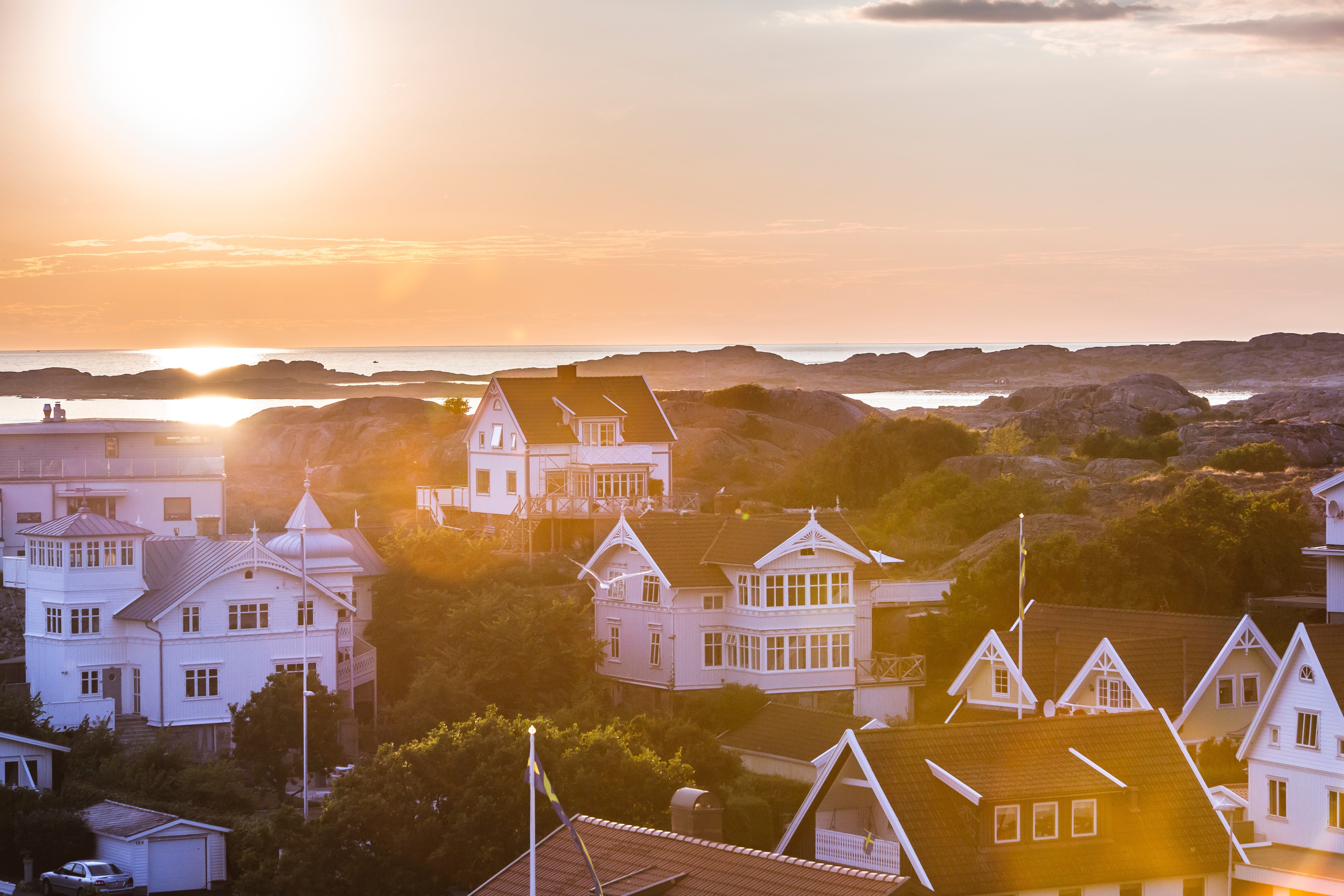
While it might feel like we’re in the middle of nowhere, we’re actually in Hönö — about an hour (via public transport) from the centre of Gothenburg, an industrial riverside city that is brimming with trendy coffee shops, breweries, food joints and bars. With an easily to navigate and affordable public transport system (day tickets cost around £9), you can quickly hop between Gothenburg’s 7,600 island archipelago and the city, where Nordic culinary traditions are undergoing a globally-influenced transformation.
I’d flown over to Gothenburg for a five-day trip, after learning that there had been around 20 new restaurant openings in the first few months of 2026 alone. Having spent a few dreamy days hopping about Gothenburg’s archipelago last autumn (as well as eating a copious amount of creamy fish soup with sweet, dark rye bread), I was eager to check out the latest culinary developments. It turns out a lot has changed since my last visit, including the re-opening of a Michelin guide restaurant, a new seafood festival and a riverside food market.
Read more: Malmö city guide: Where to eat, drink, stay and shop in Sweden’s trendy coastal metropolis
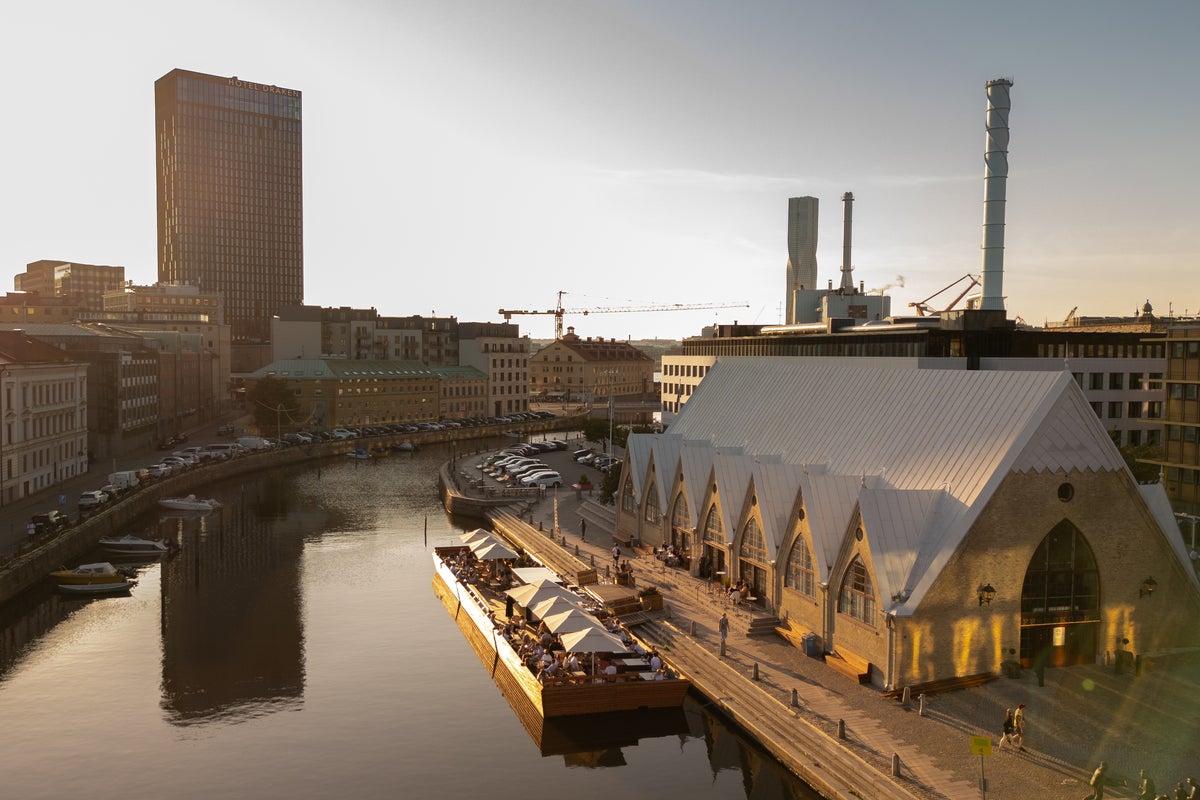
Less frequented by tourists than Stockholm, Sweden’s “second city” is widely regarded as having some of the best seafood in the country, thanks to the icy, clean water surrounding the coast. Located at the mouth of the Göta älv river, Gothenburg became a crucial place for fish and shellfish trade in the 18th century, with its daily fish market, Feskekörka (“fish church”), opening in 1874.
Inside the chapel-like building, with its triangular gables and pointed Gothic arch windows, you’ll find vibrant fish stalls and a number of exciting restaurants specialising in seafood, including Lilla Åstols Rökeri and Ekmans. The market has also just launched a two-day seafood festival celebrating west coast ingredients, which will take place each May.
After starting my foodie pilgrimage at Feskekörka I strolled to Stora Saluhallen, another 19th-century market hall in the city centre, housed in a glass greenhouse-like building and offering tons of brilliant options for lunch. I ate at the stylish Bar Bulot, which specialises in natural wine pairings and delicacies including spoons of sturgeon caviar with shots of Grey Goose vodka. I went for an oyster with a tangy tapioca mignonette, followed by a delicate halibut ceviche with thin slices of melon.
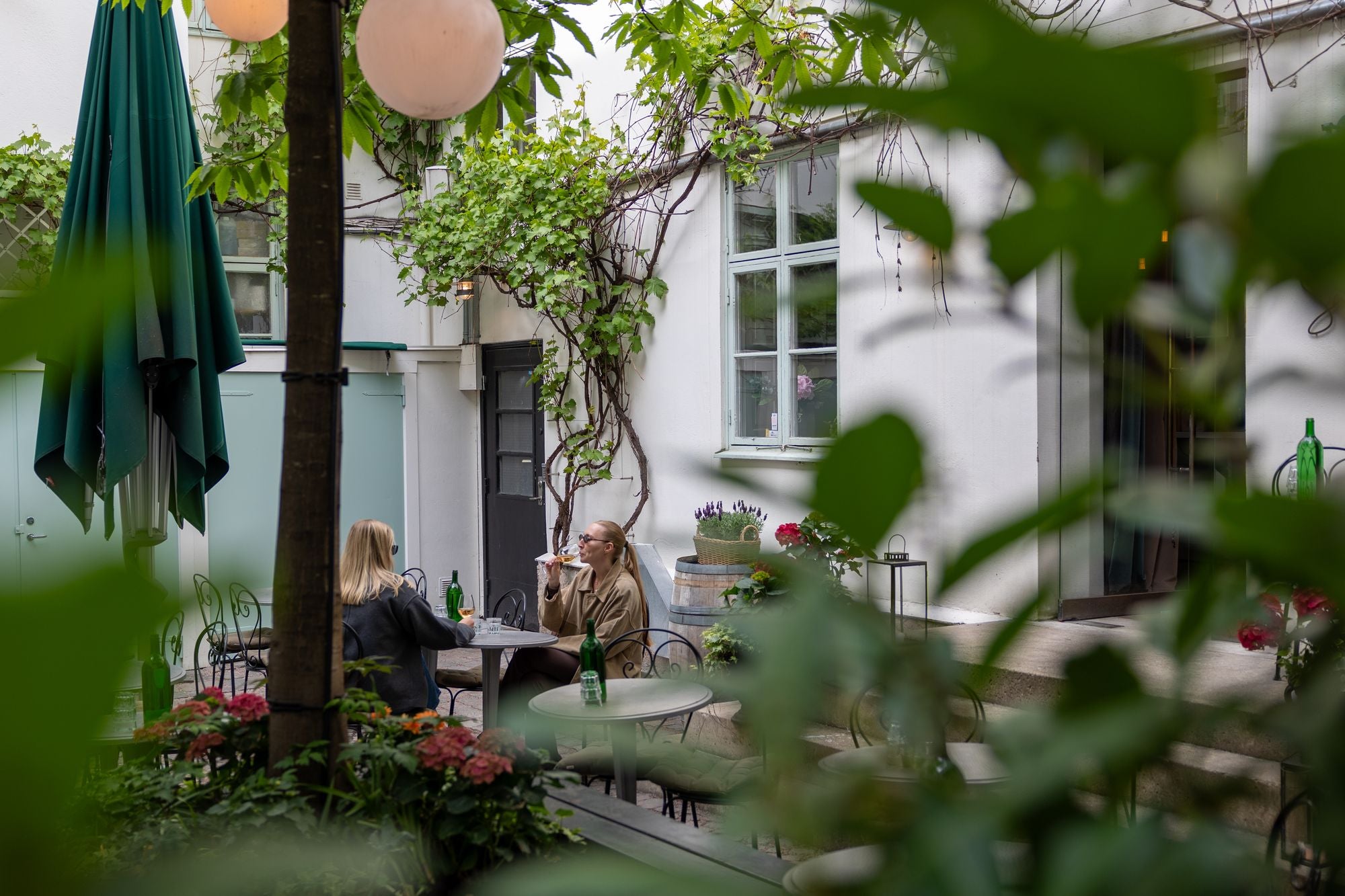
Later I had an exquisite dinner in the dappled leafy courtyard of Champagnebaren, a five-minute walk away, feasting on edible flower decorated dishes that looked like paintings (the halibut crudo sprinkled with sliced grapes and pink and purple flowers was particularly special). Stylish bars Bruno and Unity Jazz are around the corner if you fancy an after-dinner cocktail.
Read more: Doctors are now ‘prescribing’ Sweden, so I ditched my phone for Scandi wilderness
One of my favourite things about Gothenburg is how easy it is to get around, whizzing between districts with completely different vibes. One morning, I jumped on the ferry (included in my city travel pass ticket) and zoomed to the city’s north bank, a former shipyard district that has become a site for exciting architectural innovation. Vassen Market, a harbour-side food fair inspired by Copenhagen's Reffen (the largest street food market in Northern Europe), had just opened, offering up an assortment of stalls spanning different cuisines, beach bars and pop-up shops, including a tattoo parlour and a tarot reading den. I went for both Thai and Taiwanese snacks, chomping on a tofu bao bun and som tam (papaya salad) while listening to a live band and looking out over the glittering river.
The city is also home to six Michelin starred restaurants, including Signum, a boathouse-style annexe on the shore of Landvettersjön Lake, which has two Michelin stars.
I enjoyed the opulent 12-course wine pairing meal at Project, the Michelin starred restaurant run by the Swedish-Australian chef couple Anna and Cameron Irving. Picking a stool to the right side of the bar (where I was told the “action” happens), I watched the tattooed chef concoct a magical array of dishes with surgeon-like precision: monkfish drenched in miso dashi, oysters glazed with bone marrow, langoustine sashimi shimmering with pickled roe. He described one of his creations as a “flavour bomb” — and I couldn’t have thought of a better description myself.
Co-founder Cameron Irving told me that there is now a high demand for contemporary Asian food in the city, while the influences of other cuisines have also seeped into Swedish cooking. “Typically Sweden has had a very strong tie to traditional Nordic food,” he said. “Though now we are seeing great restaurants offering simple food influenced by southern Europe, including France and Italy.” In August, Project is opening up a neighbouring wine bar in the building of a former florist, where charcuterie and southern Mediterranean-style small plates will be served for an affordable price.
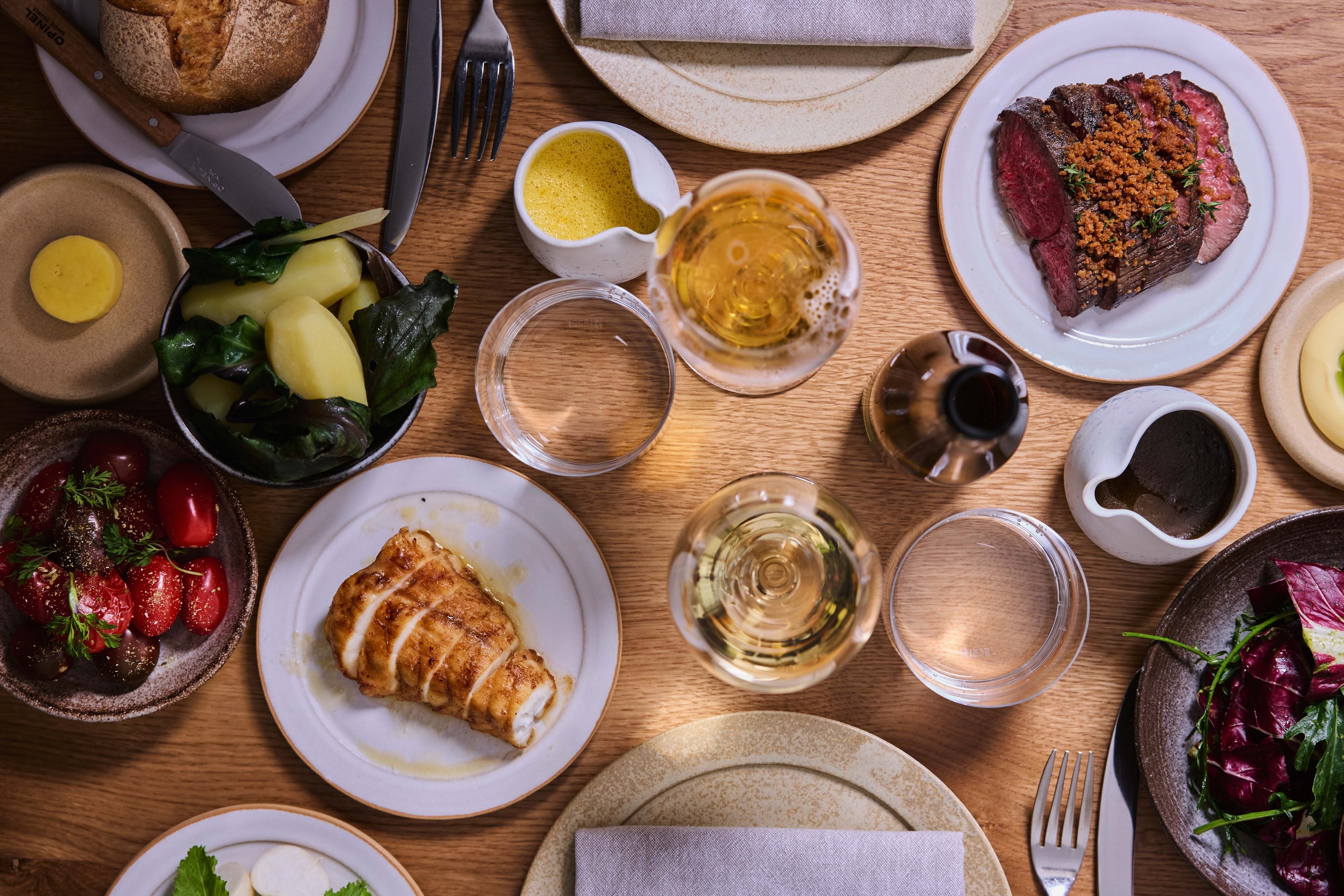
Another standout meal was at Bhoga, an airy (Michelin Guide-listed), minimalist designed joint that recently re-opened, and will be running a lunch deal on Thursdays or Fridays this autumn. For 295kr (about £22.90) you can pick between three main dishes (meat, fish or vegetarian), then Bhoga’s chefs will fill up your table with seasonal sides. I picked the fish (baked char with beurre blanc on fermented ramson), which was accompanied by a spectacular assortment of rainbow salads. Courgette with parsnip and pickled mustard seeds. Lettuce with marigold dressing. Swirly red, green and yellow tomatoes. The ceramic bowl-shaped cups for post-lunch black coffee were also a treat.
Gothenburg’s archipelago is also peppered with brilliant food options, particularly for seafood lovers. Hönö, the aforementioned island, is home to pastel-coloured houses and lawns dotted with cherry trees and red rose bushes. I enjoyed a sunset dinner at Tullhuset, a 22-year-old family restaurant with a terrace suspended over the sea, that serves up specialities such as blue mussels cooked in beer and fish soup with saffron and creme fraiche. Captain Lasse, who fed me the extravagant seafood platter, also runs mackerel fishing trips in the summer and lobster trips in autumn.
In the southern archipelago, I had a gorgeous meal at Popsicle, a former fire station turned rustic restaurant that specialises in local seafood dishes, including seared crayfish with rhubarb and yuzu and wasabi or the “Gothenburg royal” (an open sandwich with mussels, crab, turnip and sugar kelp).
Popsicle’s flower-filled garden is the perfect place for a fika – a Swedish tradition that involves taking your time with a hot drink and sweet snack.
It’s hard to believe that you’re still in Gothenburg and that you can hop on a boat and be back in the lively city centre within the hour. But that’s the beauty of this emerging Scandi foodie capital.
Arielle was a guest of Gothenburg Tourism Board
Read more: 7 of the best northern lights holidays in Norway
Where to stay
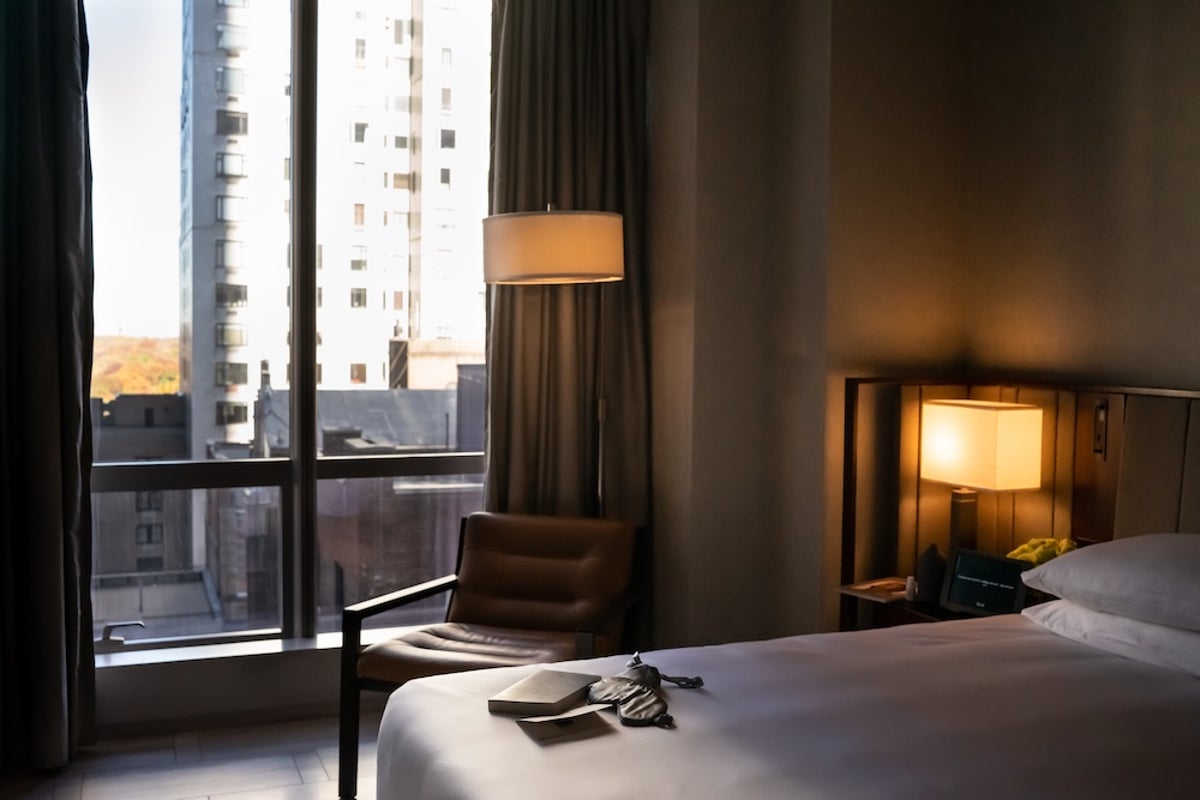
For affordable five-star luxury in the city, book a room at Gothia Towers & Upper House hotel and spa (from £135 per night).
To switch off entirely, stay in Kajkanten Vrångö’s tranquil sea-facing boathouses in Vrångö (from £124 per night).
Experience stylish serenity in a cosy room with slanted ceilings at Skärgårdshotellet, located on Hönö (from £93 per night).
How to get there
Ryanair offers flights from London to Gothenburg from just £16.99, with a flight time of under two hours.