UK confirms pay-per-mile tax start date for electric vehicle drivers
The Government says that the new eVED system will be calculated through the use of driver mileage estimates
 JaneWalter
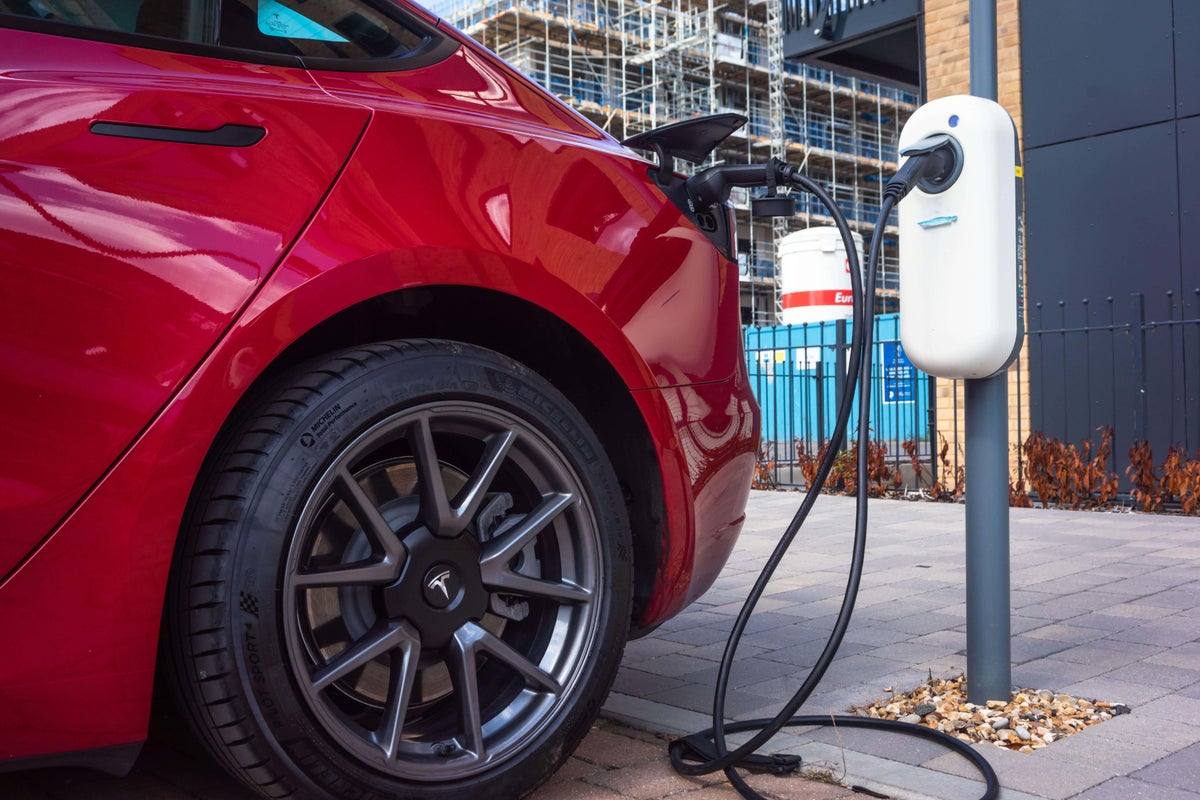
A new pay-per-mile scheme for electric vehicles is set to be introduced in April 2028, the Government has confirmed following an extensive consultation period.
Under the new system, drivers of fully electric cars will face a charge of 3p per mile, while owners of plug-in hybrid models will pay a reduced rate of 1.5p per mile.
Both figures remain below the 6p per mile currently paid by drivers of petrol and diesel vehicles through fuel duty.
The Government states that the new eVED system will operate by calculating an upfront charge based on estimated driver mileage. Motorists will have the option to spread this cost through monthly payments, mirroring the existing Vehicle Excise Duty (VED) structure.
At the end of each year, drivers will be required to submit their actual mileage reading. This will be cross-referenced with a mileage reading taken during the car’s annual MOT, or for newer vehicles, around their second or third registration anniversary.
Any outstanding balance will then be settled, or drivers can opt to spread the cost over the subsequent 12-month period.
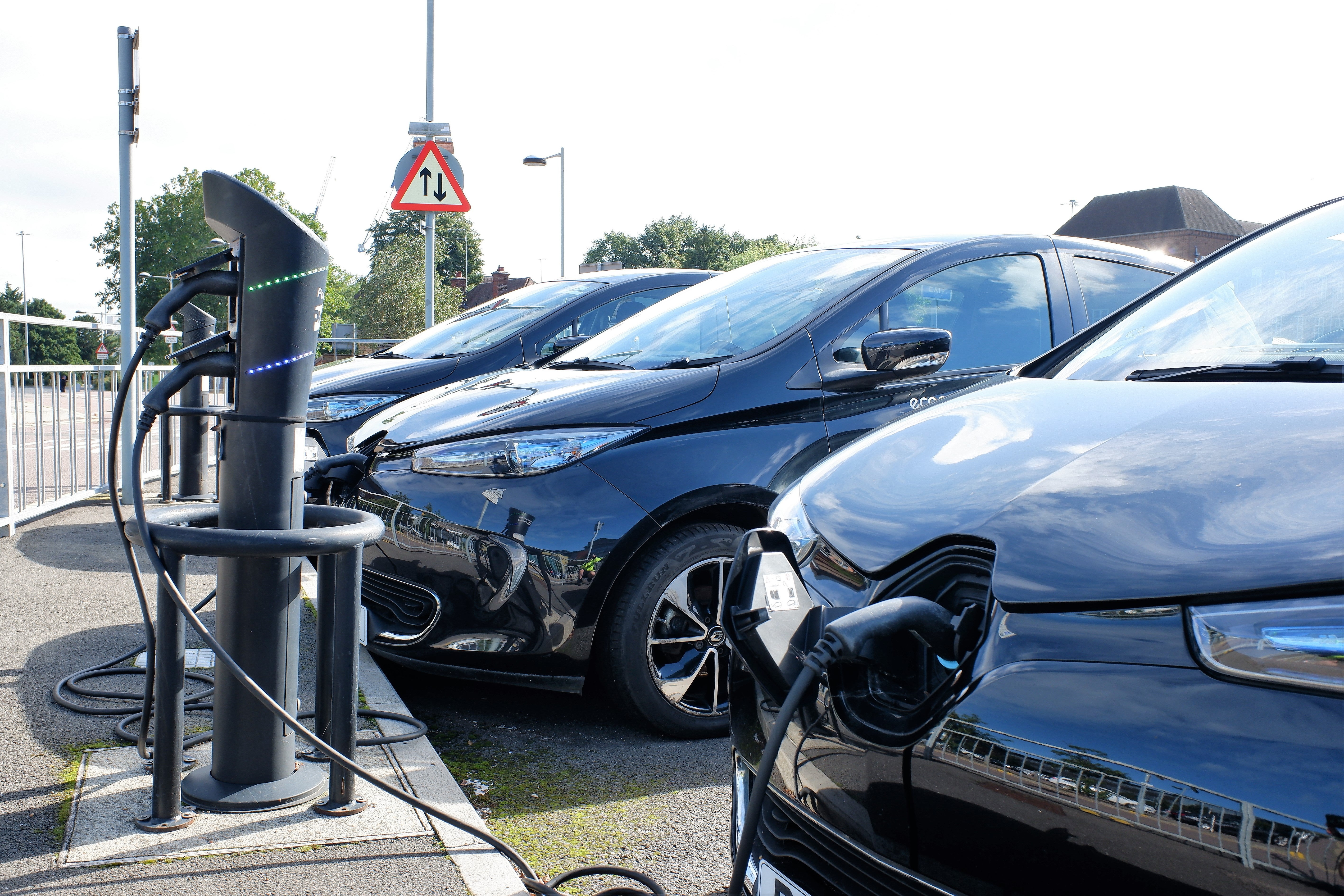
For new electric cars, there will be the option to combine eVED mileage into the on-the-road pricing of a vehicle, or drivers can sort this out independently.
However, since taxing drivers based on when and where they drive has been ruled out, EV owners also face paying eVED when travelling abroad.
While not a policy for now, the Government said it ‘welcomes’ an investigation into on-board telematics data which would relay mileage in real time.
However, Vicky Edmonds from Electric Vehicle Association England, said that the move “still does not work for drivers”.
The Government has made one welcome change for newer EVs, but the wider scheme remains too complex, risks leaving people out of pocket and fails to give drivers the confidence they need.
“At such a crucial point in the switch to electric, ministers should be making the system simpler, fairer and easier to understand, not pressing ahead with a policy whose key faults remain unresolved.”
Industry feedback suggests the proposal could also have a deterrent effect on EV uptake, particularly as it would apply to vehicles already on the road. BVRLA members warn it risks penalising early adopters while introducing additional complexity and uncertainty, potentially conflicting with wider government messaging aimed at accelerating the shift to electric mobility.
The association is calling for ministers to work more closely with the industry to redesign the scheme, arguing that any future approach needs to be simpler, more technology led and better aligned with how modern fleets operate.