Unstoppable Reach: Inside Monster Energy Marketing Campaigns that Conquered the Market
Monster Energy campaigns hit a bit differently. You’ve probably had a moment where you watched a Monster Energy video, a trophy truck ripping through a Mexican coastal town, a MotoGP rider’s Venom-themed helmet, a Formula 1 driver goofing around...
 Tekef
Tekef
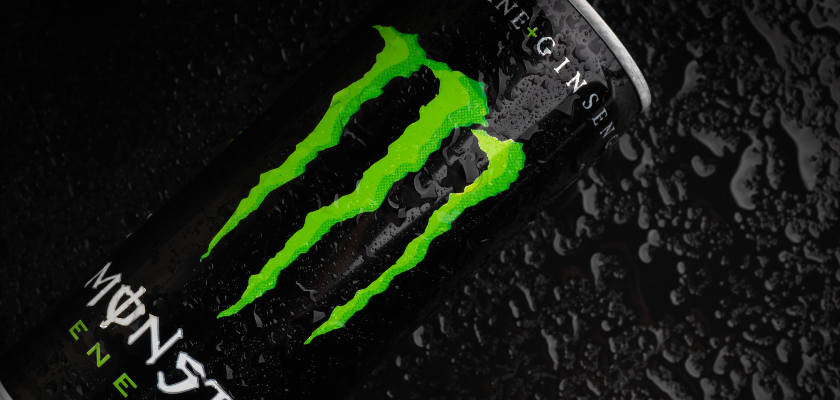
Monster Energy campaigns hit a bit differently. You’ve probably had a moment where you watched a Monster Energy video, a trophy truck ripping through a Mexican coastal town, a MotoGP rider’s Venom-themed helmet, a Formula 1 driver goofing around Tokyo backstreets, and thought: This isn’t really an ad for a drink. You’re right. It isn’t. It’s a piece of content built for an audience that already loves motorsports, gaming, or music, dropped directly into the middle of that world.
That’s the whole trick, and it’s worth taking seriously, because Monster spends roughly 10% of net sales (close to $800 million a year) on sales and marketing, and most of that budget doesn’t go anywhere near a traditional TV spot. This piece breaks down how that budget gets spent, why it works, and what marketers outside the beverage aisle can actually take from it.
Click & Learn about Monster Energy Marketing Campaigns
What Is Monster Energy’s Marketing Strategy? Selling a Lifestyle (Not Solely an Energy Drink at All) Building Brand Recognition Through Culture and Community How Monster Differentiates Itself in the Energy Drink Market Who Is Monster Energy’s Target Market? How Monster Energy Built Its Brand Positioning Monster Energy Marketing Campaigns and Activations Ballistic BJ Baldwin Recoil (2015) #BATTLEDRIFT – Vaughn vs. Daigo (2016) Caffé Monster Challenge (2019) Monster Energy x Lewis Hamilton Zero Sugar (2023) Venom: The Last Dance (2025) Lando Norris | Kaido Race Party (2025) Sponsorships as the Core of Monster Energy Marketing How Monster Energy Uses Sports Marketing Monster Energy’s Event Marketing Strategy How Monster Energy Uses Social Media and Content Marketing How Monster Energy Turns Sponsorships Into a Content Engine Monster Energy’s Product Marketing Strategy Packaging as a Brand Asset New Flavors and Product Variations Limited and Special Editions Product Sampling and Trial Monster Energy vs. Traditional Energy Drink Advertising Why Monster Energy’s Marketing Strategy Works What Marketers Can Learn From Monster Energy Marketing Frequently Asked Questions About Monster Energy MarketingWhat Is Monster Energy’s Marketing Strategy?
Let’s define the model clearly before going further. Monster’s approach shouldn’t be judged as traditional beverage marketing.
According to the company’s SEC filings, Monster’s sales and marketing strategy centers on “image-enhancing programs and product sampling,” and includes
…prize promotions, price promotions, competitions, endorsements from selected public and sports figures, sports personality endorsements, sampling and sponsorship of selected athletes, teams, series, bands, esports, causes and events…
That’s a materially different emphasis than a beverage company that leans primarily on TV and digital ad buys. Monster positions itself as part of an action sports, motorsports, gaming, and youth-culture ecosystem; not as a canned drink competing purely on taste or price.
The central thesis: Monster doesn’t primarily advertise the product in the traditional sense. It tries to stay continuously visible inside the sports, athletes, events, and cultural spaces its audience already follows; a strategy the company itself describes as differentiating its brands and products to stand out on crowded retail shelves.
Selling a Lifestyle (Not Solely an Energy Drink at All)
Monster’s own regulatory disclosures acknowledge that its competitive position depends heavily on “brand and product image” and “brand exposure and marketing” as much as on the product itself. That framing lines up with how the company has talked about individual partnerships in its press releases.
When Monster and UFC renewed their sponsorship agreement in 2025 (described by both companies as the largest sponsorship deal in each organization’s history) Monster’s Co-CEO and Chairman Rodney Sacks said UFC athletes:
Embody the aggressive personality, the uncompromising passion, and the relentless drive to succeed – that is Monster’s DNA.
So yes, it’s not product-benefit language you want to use when selling an energy drink. Actually, it’s identity language, and it runs through nearly every partnership the company signs.
Building Brand Recognition Through Culture and Community
Rather than a single flagship ad campaign, Monster’s marketing runs through a continuous stream of athlete, event, and sponsorship activity.
Its retail scanner data, drawn from NielsenIQ and disclosed in the company’s own SEC filings, shows Monster tracking category performance on a rolling basis across the U.S., Canada, and EMEA markets, reflecting a business that treats marketing less like a series of finite campaigns and more like an always-on operation.
How Monster Differentiates Itself in the Energy Drink Market
Monster operates in a category where differentiation is brutally important.
The company itself acknowledges that one key to beverage-industry success is making brands and products visually distinctive on retail shelves. It continually reviews packaging and graphics with visibility and identification in mind.
But differentiation happens beyond the refrigerator. Monster has built a recognizable combination of:
black-and-green visual codes; the claw-style “M” logo; oversized cans and distinctive packaging; aggressive performance-oriented language; motorsport and action-sport credibility; athlete partnerships; gaming and music associations; spectacular branded entertainment; event presence and sampling.If your social content says one thing, your packaging says another and your sponsorship portfolio feels as though it was assembled by throwing darts at a PowerPoint presentation, brand recognition becomes harder to accumulate. Monster’s system is far more coherent.
The can looks like Monster. The racing livery looks like Monster. The event looks like Monster. The athlete’s helmet looks like Monster. The YouTube thumbnail looks like Monster.So, that repetition creates memory without demanding identical executions. And judging from the company’s current scale, the system is supporting a formidable market position. Monster Beverage reported that its products were distributed in approximately 158 countries and territories in 2025.
Who Is Monster Energy’s Target Market?
Who actually buys into this world? The lazy answer is “young men.” The useful answer is much more interesting.
Demographics matter, but Monster’s marketing makes considerably more sense when viewed through psychographics, identities and interests.
Its audience includes consumers attracted to competition, performance, motorsports, action sports, gaming, music and other high-intensity lifestyle spaces. Not every Monster consumer races motorcycles on weekends. You can enjoy Formula Drift without owning a drift car. You can follow motocross without attempting a backflip. You can watch esports without competing professionally. Monster therefore doesn’t need every customer to live the extreme lifestyle. It needs enough customers to identify with the attitude surrounding it.
Demographics and Core Consumer Groups
There is an important distinction marketers should make here. A target market is not simply an age bracket.
Demographics tell you who people are. Psychographics help explain why they care.Monster’s sponsorship portfolio gives us a much richer view of that second question. Its official materials point to surfing, skateboarding, snowboarding, skiing, BMX and motorsports, while the wider brand ecosystem includes music and gaming. It’s an appetite for performance, competition, spectacle and subculture ad it gives Monster drink marketing more creative territory than a demographic-only strategy would allow.
Action Sports, Motorsports, Gaming, and Music Audiences
The breadth of Monster’s sponsorship portfolio itself signals the audience it’s chasing. The company holds the title of exclusive global Official Energy Drink of UFC, sponsors the Monster Energy Yamaha MotoGP team, and historically held the title sponsorship of NASCAR’s premier Cup Series, which Reuters reported on when the deal was first announced in 2016.
On the gaming side, Monster has an official multi-year global portfolio partnership with ESL Gaming covering CS:GO, Dota 2, and mobile esports, and separately holds the title of Official Energy Drink of the Call of Duty League. That spread, combat sports, motorsports, and esports simultaneously, reflects an audience defined more by shared psychographic traits (competitive, adrenaline-oriented, community-driven) than by a single demographic bracket.
Look at these audience groups side by side and you can see why the strategy travels so effectively.
Action sports give Monster danger, skill and individuality. Motorsports give it speed, machinery, competition and visual spectacle. Gaming gives it long sessions, competition, fandom and digital-native audiences. Music gives it identity, community and cultural expression.Different scenes. Similar emotional ingredients.
How Monster Energy Built Its Brand Positioning
Strong brand positioning becomes most visible when a company no longer needs to explain itself every time it appears. Monster has reached that level in many of the cultural spaces it occupies.
The claw logo, black-and-green color language, aggressive typography, sponsorship choices, athletes, motorsports imagery, and performance-oriented voice have reinforced one another over years. As those elements accumulate, each new campaign benefits from associations built by the campaigns that came before it.
This is why brand positioning should never be confused with a sentence hidden inside a strategy presentation. Positioning has to become visible through repeated behavior. If a company says it is adventurous but never takes creative risks, audiences will believe the behavior. If it claims cultural credibility but appears in a community only during a convenient product launch, the community will notice that too.
Monster communicates its positioning through what it repeatedly chooses to fund, create, sponsor, and celebrate.
The Role of the Monster Claw Logo and Packaging
The claw logo is one of Monster’s strongest marketing assets, no doubt. Because it works in both cultural and commercial environments. On a racing car, it signals sponsorship; on an athlete’s helmet, it identifies affiliation. On a stage or event banner, it marks Monster’s presence; on social content, it provides instant recognition.
This is especially valuable in sponsorship-heavy categories. As you already know, a race car or a jersey can carry many logos. Or an athlete may have several commercial partners, or an event venue may be crowded with signage… Distinctive visual assets allow a brand to remain recognizable even when it does not control the entire visual environment.

Monster’s packaging then brings those cultural associations back into retail. The company’s annual filing specifically identifies packaging and visual differentiation as important parts of the beverage business, with graphics periodically reviewed to improve visibility and identification.
Consistent Visual Identity Across Marketing Channels
Monster demonstrates the value of allowing distinctive assets to accumulate recognition. The claw remains recognizable. The core visual attitude survives across disciplines. New Monster Energy marketing campaigns may introduce different athletes, stories, locations, and formats, but the brand does not require audiences to relearn its identity every time. This gives Monster creative flexibility without sacrificing memory.
A cinematic drift film and a gaming activation do not need to look identical. They only need enough shared signals for audiences to understand they come from the same brand. That is a more useful definition of brand consistency than making every campaign look like a template.
Building an Edgy, Performance-Oriented Brand Personality
Monster’s personality is also built through behavior more than adjectives.
The company talks openly about competition, athletes, fans, performance, and living with intensity. Yet those words have weight because Monster’s marketing actions support them.
Monster chooses sports built around speed and risk. It creates films with spectacular vehicles. It backs athletes operating at elite levels. It enters music and gaming spaces with strong existing identities. Over time, these decisions create a personality audiences can infer without reading a manifesto.
Positioning works best when it becomes a filter for decisions. The right partnerships begin to feel obvious, while opportunities that do not fit become easier to reject. The result is a brand world with recognizable boundaries.
Monster Energy Marketing Campaigns and Activations
The brand has produced far too many sponsorships, events, films, athlete collaborations, and promotional activations to discuss all of them meaningfully in one blog (obviously), so the Monster marketing campaigns below were chosen for strategic reasons.
We wanted examples that show Monster doing more than placing its logo around an existing event. Each campaign needed to demonstrate how the company turns its cultural relationships into a marketing execution with a clear audience, channel, objective, and creative idea. We also prioritized campaigns with primary or first-party material available, since view counts and campaign details become surprisingly unreliable once marketing case studies start copying one another across the internet.
The three examples also show different sides of Monster’s approach. Recoil 2 turns off-road driving into cinematic branded entertainment. #BATTLEDRIFT uses rivalry and motorsport personalities to create a shareable story. Caffé Monster Challenge moves closer to traditional product persuasion by putting taste at the center of the campaign.
So, they reveal something important about Monster: the brand has a recognizable identity, but it does not force every marketing problem into the same creative format.
Ballistic BJ Baldwin Recoil (2015)
The premise of Ballistic BJ Baldwin: Recoil 2 – Unleashed in Ensenada, Mexico is the kind of idea that barely needs an advertising pitch once you hear it.
Monster takes professional off-road racer BJ Baldwin and an 800-horsepower Trophy Truck to Ensenada, Mexico, the home of the Baja 1000, and turns the city into a giant off-road film set. Streets, stairways, jumps, beaches, and urban spaces become part of a seven-minute chase built around the kind of driving most viewers will never experience outside a screen.
The film is branded, but actually the entertainment carries the experience. Baldwin is the protagonist, the truck is the spectacle, and Ensenada provides a setting with relevance to off-road culture. Monster doesn’t need to pause the action every thirty seconds to remind viewers that it sells energy drinks because the film is already communicating the characteristics the company wants attached to the brand.
The official Monster Energy upload was published on September 16, 2014 and has accumulated more than 60.1 million YouTube views as of the latest available count. These numbers mean so much because viewers are choosing to watch several minutes of branded entertainment. Monster isn’t purchasing a short interruption before another video. It has created the video people came to see.
For that campaign, the audience is clear: motorsports fans, off-road enthusiasts, automotive audiences, action-sports followers, and viewers who simply enjoy spectacular driving footage. The execution uses Baldwin’s credibility and the visual drama of a Trophy Truck to deliver entertainment, while YouTube gives the film global distribution and makes sharing effortless. The immediate objective is attention, but the larger objective is association. Monster wants the excitement surrounding Baldwin, off-road racing, and the stunt itself to become part of the brand’s emotional vocabulary.
Why that campaign worked: In the simplest terms, Monster understood that the audience needed a reason to care about the content. BJ Baldwin gave the film credibility within off-road racing, while Ensenada connected the spectacle to a place already associated with the Baja 1000. The truck provided an instantly compelling visual centerpiece, and the filmmaking turned the performance into entertainment that could travel far beyond hardcore motorsport audiences.
Monster also resisted the temptation to make the product carry every second of the campaign. The brand remained present throughout, but the story stayed focused on the driver, vehicle, environment, and stunt.
#BATTLEDRIFT – Vaughn vs. Daigo (2016)
If Recoil 2 is built around one driver and one outrageous machine, #BATTLEDRIFT creates its appeal through contrast.
Monster brings Vaughn Gittin Jr. and Daigo Saito together in Niigata, Japan, pairing Gittin’s 550-horsepower V8 Ford Mustang RTR against Saito’s 650-horsepower V12 Lamborghini Murciélago. The two drift through roads leading to the abandoned Niigata Russian Village, a deserted amusement park that gives the film an eerie cinematic atmosphere.
Monster’s official campaign page describes the concept as a clash between different cars, engineering philosophies, and drifting legends.
That campaign has more than 40.8 million YouTube views, so far.
For Monster advertising, the objective extends beyond reaching people who already understand drifting. The film creates a piece of automotive entertainment capable of circulating through enthusiast communities, social feeds, YouTube recommendations, car media, and general audiences attracted to spectacular filmmaking.
Why that campaign worked: Vaughn versus Daigo was already a stronger narrative than “watch two sponsored athletes drive.” Adding the Mustang and Lamborghini created another layer of contrast, while the abandoned Japanese location made the film visually distinctive enough to stand apart from ordinary track footage.
Fans came for drifting and received high-quality drifting. Car enthusiasts came for the vehicles and received a V8 Mustang and V12 Lamborghini doing exactly what those machines were never designed to do politely. Monster’s branding fitted naturally because the company had already established a long-standing place in motorsport culture.
The campaign shows why the most valuable athlete partnerships often begin after the sponsorship contract is signed. Once a brand has access to remarkable talent, the creative question becomes what stories that talent can help produce.
Caffé Monster Challenge (2019)
That Monster Energy marketing campaign is useful precisely because it looks so different from Recoil 2 and #BATTLEDRIFT.
There is no drift car sliding through tire smoke, no Trophy Truck launching through a city, and no dramatic abandoned location. The central question is far simpler: how does Caffé Monster taste against a familiar bottled Starbucks Frappuccino?
Monster puts its Mocha, Vanilla, and Salted Caramel Caffé Monster varieties into a blind taste comparison with Starbucks bottled Frappuccino products. According to Monster’s description of the test, more participating consumers preferred the Caffé Monster versions included in the comparison. The official video was published in January 2019 and has generated nearly 17 million views.
Strategically, this campaign solves a different problem from the motorsport films.
Monster already has strong recognition as an energy-drink brand, but entering ready-to-drink coffee asks consumers to accept the company in a neighboring category where another brand has enormous familiarity. Starbucks gives the comparison instant context. Consumers already understand bottled Frappuccinos, so Monster can frame Caffé Monster against an established reference point without spending much of the campaign teaching people how to interpret the product.
The blind-test format works due to shifting the conversation from lifestyle to product experience. Monster’s broader brand equity may get people curious, but the campaign asks taste to provide the evidence.
Why that campaign worked: By bringing Starbucks into the comparison, Monster made the proposition easier to understand and gave viewers an immediate benchmark. The blind-test device also made the product itself central to the argument, which was valuable for a line expanding Monster into a different beverage occasion.
The campaign therefore demonstrated strategic flexibility. Recoil 2 and #BATTLEDRIFT used spectacle to strengthen cultural associations. Caffé Monster Challenge used direct comparison to address product consideration.
Monster Energy x Lewis Hamilton Zero Sugar (2023)
Celebrity collaborations are everywhere in beverage marketing, but there is a meaningful difference between putting a famous face on a campaign and giving that person a genuine role in the product story. Monster Energy x Lewis Hamilton Zero Sugar sits much closer to the second model.
The campaign centers on a zero-sugar Monster created with seven-time Formula 1 World Champion Lewis Hamilton. In Monster’s official 2023 video, Hamilton frames the drink around performance and preparation, connecting the product with the demands of competing at the highest level of motorsport. The drink itself carries peach and nectarine flavors, while the can uses a bespoke design co-created by Hamilton and digital artist Mad Dog Jones.
The can deserves particular attention from marketers because it turns the partnership into something consumers can physically own. An athlete appearing in an advertisement creates temporary exposure. A signature product allows the association to remain visible every time the customer encounters the package at retail, carries the can, photographs it, or sees somebody else drinking it. That makes packaging part of the endorsement.
Why that campaign worked: This Monster marketing campaign worked because Monster gave the partnership commercial depth. Hamilton’s involvement extended beyond appearing in promotional footage; the collaboration reached the formula’s positioning, the can design, and the story used to introduce the product. That made the endorsement feel more connected to the product itself and gave fans something tangible to associate with Hamilton.
The campaign also benefited from strong compatibility between athlete and brand. Hamilton brought performance, global recognition, motorsport credibility, and a distinctive personal identity, while Monster already had deep roots in racing culture. The zero-sugar proposition gave the collaboration a clear product reason to exist, so the campaign did more than celebrate a famous ambassador.
Venom: The Last Dance (2025)
The centerpiece is a custom branded-entertainment film tied to Sony Pictures’ Venom: The Last Dance. Grammy-nominated rapper Busta Rhymes appears in a recording studio when Venom’s symbiote tentacles interfere with his Monster Energy drink. A mysterious performer begins delivering bars from inside the booth before Eddie Brock, played by Tom Hardy, emerges and reveals the joke. Monster connects the execution to its familiar “Unleash the Beast” language, allowing the film partnership and the energy-drink brand to share essentially the same creative territory.
The official Monster video has attracted more than 1.7 million YouTube views, but the partnership reaches beyond the film itself. Monster also brings the collaboration into motorsport through MotoGP rider Fabio Quartararo, whose HJC race helmet receives a custom Venom design for the Thailand Grand Prix. The design combines Venom’s teeth and tongue with Quartararo’s number 20 and Monster’s green claw, while fans can interact with the concept through a Venom helmet Instagram filter. HJC also plans a consumer retail version of the helmet as part of the wider activation.
Why that campaign worked: The Venom collaboration worked because there was unusually strong natural compatibility between the two brands. Monster did not have to invent a complicated strategic explanation for why Venom belonged in its world. The character’s visual identity, aggressive personality, dark aesthetic, and literal “monster” connection made the relationship immediately understandable.
Most importantly, the partnership gave each brand something useful. Venom: The Last Dance gained access to Monster’s motorsport and lifestyle audiences, while Monster borrowed the cultural attention surrounding a major entertainment release without abandoning its established personality. The collaboration felt like two compatible worlds colliding, which made the commercial relationship much easier for audiences to accept.
Lando Norris | Kaido Race Party (2025)
By 2025, Monster’s motorsport content has become polished enough that a one-minute product film can look more like a lost scene from a street-racing movie.
Lando Norris | Kaido Race Party places Formula 1 driver Lando Norris on the rain-soaked streets of Tokyo behind the wheel of a heavily modified Liberty Walk R32 Skyline. Neon reflections stretch across wet roads as Norris moves from central Tokyo toward Yokohama’s industrial docks, with the film drawing heavily from Japanese tuning, Kaido racer, and street-car culture.
Monster describes the film as an homage to Japan’s car culture, built around Norris’s own LB-Kaido Works R32 Skyline:
The setting is doing just as much marketing work as the driver. Tokyo’s night-time streets, Japanese performance cars, Liberty Walk’s unmistakable modification style, rain, docks, and neon give the film a cultural texture that a conventional Formula 1 advertisement could never create. Norris may be an F1 star, but the campaign deliberately takes him away from the familiar paddock environment and places him inside another corner of automotive culture.
That makes the audience larger than Formula 1 alone. F1 followers recognize Norris, while JDM enthusiasts, tuning fans, Skyline obsessives, Liberty Walk followers, and automotive-content audiences have their own reasons to watch.
Why that campaign worked: Monster used Lando Norris as an entry point into a culture bigger than Formula 1.
Norris brought celebrity and racing credibility, but Japanese car culture supplied the atmosphere, visual language, machines, and enthusiast appeal that gave the film its personality. The Liberty Walk R32 made the execution especially effective because the car already carried enormous meaning within tuning and JDM communities. As a result, the film could interest somebody who cared deeply about Skylines but only casually followed F1, just as easily as it could attract a Norris fan.
Most importantly, Monster used the film as part of a broader marketing system. The Norris relationship appeared in digital entertainment, fan engagement, packaging and retail execution, allowing the same sponsorship asset to create attention at several stages of the customer journey.
Strip away Monster Energy’s sponsorship network, and a large part of its marketing identity disappears with it. Sponsorship is one of the main ways that strategy becomes visible in the real world for Monster Energy.
Monster’s own sponsorship information makes the scope clear. The company identifies motorsports, action sports, and MMA among the sports it sponsors, while its Monster Army development program has supported younger athletes across motocross, BMX, mountain biking, skateboarding, surfing, skiing, and snow sports. Monster also accepts sponsorship proposals in music and gaming, showing that its partnership model extends well beyond a single sporting discipline.
Actually, plenty of global brands, especially Red Bull, sponsor a lot of things. What makes Monster Energy marketing more interesting is how athlete relationships, events, and content reinforce each other. An athlete gives Monster credibility and a recognizable personality. Monster can then redistribute those stories through its own channels, giving the original sponsorship a much longer life.
This helps explain why sponsorship occupies such a substantial place in the company’s marketing economics. Monster Beverage reported $599.9 million in advertising and promotional expenses in 2025, up from $584.1 million in 2024 and $528.9 million in 2023. Its filings also state that a significant amount of promotional expenditure results from sponsorship and endorsement contracts.
That is a very different model from treating sponsorship as the logo-placement line at the bottom of an annual media plan.
Action Sports Sponsorships
Action sports make an unusually good home for Monster because they deliver several of the qualities the brand wants without needing to manufacture them through advertising.
Motocross, BMX, skateboarding, snowboarding, and similar disciplines are highly visual, athlete-led, technically demanding, and full of moments that naturally become content. Fans do not need a marketing team to explain why a difficult trick matters. The community already understands the skill, personality, progression, and risk involved.
Monster enters that environment with the athlete + event + content combination.
Take X Games as an example. Monster is the official energy drink partner of X Games and a founding partner of the new X Games League. At X Games Sacramento 2026, Monster-backed athletes competed across Skateboard, BMX, and Moto X, while the physical event also included a festival environment with music and other fan experiences. Monster later reported that its athletes took 24 medals across the three disciplines during the Sacramento event.
The medal count is useful, but the marketing value extends far beyond podium visibility. Each performance produces its own narrative:
A never-before-seen trick can become a clip 👉🏻 A young athlete can become a profile story 👉🏻 A dramatic final creates social content 👉🏻 A medal produces news 👉🏻 Monster’s own website can then publish interviews, competition reports, video, and photography around athletes the company already sponsors.
Motorsports Sponsorships
If action sports provide Monster with individuality and progression, motorsports add speed, engineering, competition, sound, machinery, and global spectacle. Few environments are more naturally compatible with an energy-drink brand built around intensity.
Monster’s presence extends across several forms of motorsport, including Formula 1, MotoGP, motocross, off-road racing, drifting, and other categories. Its Formula 1 relationship offers a useful example of how the brand thinks about partnership longevity. After 14 consecutive seasons with Mercedes-AMG PETRONAS, Monster announced that it would move to McLaren Racing from the 2024 season, with branding appearing prominently on the drivers’ helmets and suits. The company also said the partnership would include fan-focused programs with Lando Norris and Oscar Piastri.
That decision illustrates the relationship between Monster Energy advertising and brand positioning. Formula 1 gives Monster huge visual environments, famous athletes, global broadcast moments, social discussion, race-weekend content, and live fans. The logo does not have to explain speed because the sport supplies speed every few seconds.
The same logic applies further down the motorsport ecosystem. Abovementioned drift films such as #BATTLEDRIFT, off-road productions such as Recoil, MotoGP athlete partnerships, and content around modified car culture all allow Monster to occupy different corners of automotive enthusiasm without losing the central personality.
Athlete Sponsorships and Personal Brands
There is a major difference between sponsoring an athlete and hiring a celebrity for an advertisement. Traditional celebrity endorsement can be transactional, like a recognizable person appears in the campaign, delivers the message, poses with the product, and moves on. The audience primarily understands the relationship through fame. Monster often goes deeper by entering the athlete’s actual professional world.
The athlete competes while carrying Monster branding, fans follow them across seasons and Monster publishes stories and videos around them. Some relationships even move into product design, as seen with Lewis Hamilton and Lando Norris signature drinks.
As you can see, Monster is not only paying for recognition; it is accessing credibility that has already been earned through performance. A motorsport fan may care about Lando Norris because of racing results, personality, and years of following Formula 1. A skateboard fan may follow an athlete because of style and progression. The commercial partnership enters an existing relationship between the athlete and the fan.
A highly recognizable celebrity with no believable connection to the brand may generate reach but weak cultural credibility. An athlete deeply respected inside a smaller community may offer stronger influence, better content opportunities, and a more believable long-term association.
Monster’s sponsorship process itself reflects this emphasis on credibility. Its athlete sponsorship guidance asks applicants to provide information on how long they have been active in the sport, competition placements, media coverage, and social media activity. So, the brand is evaluating more than visibility. It is looking at the athlete’s actual place within the sport.
Gaming and Esports Sponsorships
Gaming shows why Monster’s sponsorship model cannot be explained through extreme sports alone!
The physical environment changes completely, but many of the underlying audience characteristics remain familiar: competition, performance, personalities, teams, fandom, long sessions, live events, and communities that follow results closely.
In June 2025, Monster announced a partnership with OpTic Gaming, one of the best-known organizations in competitive Call of Duty. Monster’s announcement specifically pointed to new content and live-event activations as part of the relationship, which is revealing because it shows the brand thinking beyond logo exposure from the beginning. That is the same mechanism we see in motorsports and action sports, translated into a digital-first community.
The team gives Monster credibility and access. Competitive events create moments. Players and personalities create stories. Fans create conversation. Monster can then extend the sponsorship through content and activation.
Gaming also helps Monster reach audiences in an environment where the product category has a natural usage context. Energy drinks and long gaming sessions already occupy neighboring territory in consumer culture, so the association needs little explanation.
Music and Entertainment Partnerships
Music expands the Monster ecosystem again.
Here, the brand moves away from pure competition and into identity, live experience, artists, scenes, festivals, and fandom. Monster maintains a music roster and sponsorship channel, and its own content regularly crosses music with other territories the company already occupies. Take the brand’s YouTube series Bridge the Gap:
Another revealing example came in 2025, when musician and former professional motocross racer Redferrin performed at a Monster Energy AMA Supercross Championship event. Monster framed the performance as a meeting point between the artist’s music career and his motocross background.
That crossover is exactly why Monster’s broader sponsorship system is useful. Sports, music, gaming, and entertainment do not have to live in separate marketing silos. The company can bring them together because the same audiences often move between several of these interests.
How Monster Energy Uses Sports Marketing
Knowing what Monster sponsors only explains half the strategy. The more interesting question is why sports marketing campaigns work so well for the brand in the first place.
As we see in the Red Bull marketing case, sports give Monster access to something marketers spend enormous amounts trying to manufacture: “existing emotional attention.”
Fans already care who wins, so they already follow athletes. They already schedule time around competitions, argue about results, watch highlights, buy tickets, join communities, and return for the next event. Monster’s challenge here is finding a credible role inside it.
That sequence can be described as Athlete → Event → Content → Social Distribution → Brand Exposure, but in practice the process is circular. Successful content raises the athlete’s profile, stronger athlete profiles make future events more interesting, events create more content, and the brand keeps returning throughout the cycle.
Reaching Audiences Through Their Existing Passions
The first advantage is simple: Monster goes where attention already exists.
This is fundamentally different from beginning with an advertisement and hoping the audience will care enough to stop what they are doing. A Formula 1 fan already wants to watch the race, or a BMX fan already wants to see the trick, or a skateboard fan already follows certain riders… The brand enters those experiences without needing to invent the initial reason for attention.
However, the brand still needs relevance, good execution, and meaningful integration. But the starting position is stronger because interest exists before Monster arrives.
Building Credibility Inside Sports Communities
Frequent, long-term presence also helps Monster build credibility that a short campaign could struggle to create.
Fans tend to understand their own communities extremely well. They know which companies have been involved for years, which athletes genuinely use or support a brand, and which sponsors appear only when a sport suddenly becomes commercially fashionable.
Its long history across motorsports and action sports means each new partnership arrives inside a familiar context. When Monster moved into its McLaren Formula 1 partnership in 2024, for example, it was not introducing itself to Formula 1 audiences for the first time; the brand had already spent 14 seasons partnered with Mercedes.
Creating Repeated Brand Exposure
Sports also solve a frequency problem. As you know, traditional campaigns usually have a defined flight: Media begins, runs for a period, and ends. A sport has its own calendar.
There is qualifying, competition, training, interviews, announcements, results, standings, highlights, and the next event. A sponsored athlete can appear many times before the season is over, giving Monster repeated visibility without reproducing the same piece of creative again and again. The exposure changes while the brand remains recognizable.
That is particularly valuable for Monster Energy marketing campaigns, because the product’s visual identity is simple enough to travel through all those moments. The claw logo can appear on a helmet, racing suit, event wall, bike, car, social clip, or interview backdrop while still feeding the same memory.
Turning Athletes and Events Into Content
The fourth advantage is where sports marketing becomes a content strategy.
Monster’s coverage of X Games offers a clear example. At X Games Osaka 2025, Monster published stories around its athletes’ performances after they collectively earned 13 medals across BMX, Skateboard, and Moto X. At Salt Lake City a week later, its athletes accumulated 21 medals, including several never-before-seen tricks that generated their own stories and highlight moments.
The marketing value here is not the medal total alone. It is the amount of content hidden inside those results.
One weekend can produce athlete profiles, competition reports, clips, interviews, photographs, social posts, records, and highlight packages. Sports continually generate narratives, which means Monster’s sponsorship activity also feeds its publishing operation.
Monster Energy’s Event Marketing Strategy
Digital advertising can show audiences the brand world, but events allow people to enter it. Fans can see the athlete, hear the engines, watch the competition, interact with branded areas, receive merchandise, try the product, create their own social content, and leave with a memory attached to Monster.
A single activation can generate brand visibility, product trial, experiential engagement, content production, athlete access, social material, and community interaction. This is why reducing event marketing to signage misses most of the value.
Monster’s 2025 London takeover demonstrates the breadth of the model. The company brought together eight events across seven days, spanning gaming, sport, and music. The program included Formula 1-related activity around Lando Norris and the British Grand Prix, a Counter-Strike tournament, and additional cultural experiences.
The interesting part is how one city can become the setting for several different expressions of the brand.
Sponsoring Events Where the Audience Already Exists
It’s clear that Monster does not need to convince an X Games crowd to become interested in action sports; they have already bought into the culture. The same is true at racing events, gaming tournaments, and other sponsored experiences.
This changes the brand’s job. Monster can focus on improving, amplifying, or becoming part of the experience instead of spending most of its energy trying to manufacture interest in the category.
At X Games Salt Lake City 2025, for example, Monster’s official presence included athlete meet-and-greets, live entertainment, and special editions of its UNLEASHED podcast streamed from the event.
And yes, that is much richer than a banner around the course since fans are given several ways to encounter the brand depending on what they care about.
On-Site Branding and Product Sampling
Events also create one of the shortest routes between brand meaning and product trial, as we’ve explored above. Imagine someone attending a motocross event surrounded by Monster riders, branded race equipment, competition footage, music, and fan activity. The product arrives at the exact moment the wider brand world is most tangible.
Monster Beverage’s annual reporting lists sampling and in-store demonstrations among its promotional activities, alongside advertising, sponsorships, point-of-sale materials, and other forms of marketing. This creates a useful sequence for physical product brands as well. The event attracts the relevant audience, the experience creates an emotional context, sampling introduces the product, and the customer now has both brand recognition and actual product experience.
For beverage brands, that connection is particularly valuable because no amount of lifestyle positioning can tell somebody exactly what a new flavor tastes like.
Creating Content Around Live Events
When you look at what makes Monster Energy’s event strategy work so well, the secret is “the energy inside the venue is just the beginning.”
The absolute best live activations don’t stop with the fans in the stands. They spark a massive digital ripple effect that keeps building momentum for weeks on end. How? When an event is live, Monster has an incredible vantage point right in the action. That total access opens up a goldmine of raw material: candid athlete moments, fast-turnaround highlights, behind-the-scenes pit access, podium celebrations, short-form clips, and live podcast setups.
Evaluating an event budget purely by headcounts in the seats only tells part of the story:
Monster powers over 1,500 events a year globally, turning those physical locations into a creative engine that pumps out roughly 3,000 marketing videos annually. Physical crowds are fantastic, but online reach takes events to another level entirely. Major Monster event partnerships routinely rack up billions of online impressions, extending the venue far beyond its physical capacity. By focusing on authentic action clips and real athlete stories, Monster engages a global social audience of over 25 million people, driving over 60% of their digital reach organically.Thinking about content long before the gates open turns a single weekend into a powerful, long-term asset. When media capture is designed right into the event plan from day one, every dollar spent on site delivers incredible value well after the crowd heads home.
Extending Event Exposure Through Digital Channels
This is where offline and online marketing stop behaving like separate disciplines.
A fan experiences the event in person and posts about it. Monster publishes a highlight. The athlete shares footage. A media outlet covers the result. A longer video appears later. Photographs continue circulating. The next event restarts the cycle.
The original physical moment can keep producing attention for days or weeks.
Monster’s X Games coverage is a good demonstration of this approach. The brand does not stop communicating when the medals are awarded. It publishes detailed reports, athlete stories, results, imagery, and highlights through its own content platform.
In that sense, an event is both an experience and a content capture opportunity.
How Monster Energy Uses Social Media and Content Marketing
Monster’s sponsorship investments get a second life through content.
If an athlete sponsorship generated visibility only while the athlete was physically competing, a large amount of potential value would disappear as soon as the event ended. Monster extends that value by turning access into material that can continue moving through digital channels.
An athlete creates footage because they are doing something audiences care about. An event creates moments because something is happening live. Monster has access to both, which means the company rarely has to search very far for subjects worth filming. And let’s accept that, this is a major advantage over brands whose social media teams have to invent a new reason to post every morning.
Athlete and Event Content
Monster’s own website and its social media channels function almost like a specialist publisher across motorsport, action sports, gaming, music, MMA, and lifestyle:
Athlete profiles sit beside competition reports. Event recaps lead into interviews. A new sponsorship becomes content. A major sporting performance becomes another story. Product partnerships can then appear within the same ecosystem.The company already has relationships with the people creating the action, so content access is built into the marketing structure.
That makes the material more credible than generic trend-chasing because Monster can show the athlete actually competing, preparing, traveling, performing, or participating in the culture that made them relevant to fans in the first place.
Short-Form and Video Content
A dramatic moment may become a short social clip, a longer YouTube edit, a still image, an athlete quote, a recap article, or a behind-the-scenes post. The core event is the same, but the distribution changes depending on where the audience encounters it.
Monster’s history of long-form branded entertainment shows how far this principle can go. Recoil 2 and #BATTLEDRIFT are not simply advertisements adapted for YouTube; they are pieces of entertainment designed around athletes and automotive culture. Short-form content then allows the same world to remain active between those larger releases.
Community-Focused Social Media
Community-focused content also gives Monster a reason to talk about the audience’s interests without forcing every post to become a product announcement.
If a Monster-backed skateboarder makes history at X Games, the result itself is worth discussing. If a driver wins, fans care about the race. If a gaming team launches a new partnership, the team’s community wants to understand what it means for future content and events. Monster can place the brand around those stories without making the beverage the hero every time.
That is a healthier role for social content because it respects why the audience followed the athlete or community in the first place.
When it comes to community-building, also remember Monster’s Army, where UGCs are shared.
Extending Sponsorships Through Content Distribution
Let us remind you how simple the model is: sponsorship creates access, access creates content, and content creates ongoing attention. A static logo impression disappears quickly, and a strong athlete partnership can keep generating material across an entire season.
That difference is why marketers should evaluate sponsorship budgets alongside content strategy. If the partnership creates unique access but the brand has no plan for publishing, filming, photographing, interviewing, and redistributing what happens around it, much of the potential value remains unused.
Monster’s structure shows what happens when those two disciplines are connected from the beginning.
This is the part of Monster’s strategy that separates it from a generic beverage-marketing case study.
A sponsorship investment can produce several different forms of value from the same underlying relationship. The athlete creates association and credibility. The event generates physical visibility and fan interaction. Monster’s access allows it to film and photograph moments that can become video, social content, PR material, interviews, and editorial stories. Fans and media can amplify those moments again, while every repetition helps strengthen the brand’s place inside the community.
Take the OpTic Gaming partnership as an example: Monster did not describe the relationship only in terms of logo rights; its announcement highlighted new content and live-event activations for OpTic fans.
There’s a new brick in the GreenWall — OpTic Gaming is joining the Monster Energy family.
That’s right. Monster Energy has teamed up with the legendary OpTic Gaming, uniting another pillar organization in Call of Duty and the Call of Duty League. This means OpTic fans can look forward to new types of content, live-event activations, and enough Monster Energy to keep you focused through all the competition.
The same idea appears at X Games, where athlete sponsorship, official event partnership, live fan experiences, competition results, branded content, photography, and digital publishing all overlap.
This gives sponsorship a compounding quality. Naturally, one relationship supplies access to an athlete and then that athlete competes at a sponsored event. The performance becomes content that reaches people who never attended the event. Media coverage and fan sharing extend the visibility further. The next competition then creates another opportunity to repeat the process without starting from zero.
That is why measuring sponsorship only through visible logo impressions can be misleading. The logo matters, but so do the stories the relationship creates, the audience growth it enables, the content library it produces, the fan engagement it generates, and the product or retail opportunities attached to it. Monster’s model treats sponsorship as an input into the marketing engine, not the final output.
Monster Energy’s Product Marketing Strategy
With all the attention given to motorsports and sponsorship, it is easy to forget that Monster ultimately has to market a physical portfolio of drinks.
That portfolio is now broad. Monster’s current U.S. product range spans the core Monster line, a large zero-sugar Ultra family, coffee products, Juice Monster, Rehab, and other variants. The Ultra range alone includes flavors such as Blue Hawaiian, Vice Guava, Wild Passion, Strawberry Dreams, Peachy Keen, Ultra Violet, Fiesta Mango, and Watermelon.
This creates an important marketing challenge. Monster needs new products to feel fresh while still looking unmistakably part of the same brand.
Packaging, flavor stories, collaborations, special editions, and sampling all help solve that problem.
Packaging as a Brand Asset
Monster’s packaging carries the claw logo, color system, naming conventions, illustrated artwork, athlete collaborations, and the personality of each product line. That makes packaging one of the places where brand strategy becomes tangible.
For products sold primarily through stores and convenience channels, this matters enormously because the package is competing for attention at the exact moment of purchase.
Monster can also use the can to connect product marketing back to sponsorship. The current Lando Norris Zero Sugar product, for example, uses a Yuzu Melon flavor and packaging based on Norris’s racing helmet design.
New Flavors and Product Variations
New flavors give Monster more reasons to create product news without changing the central brand.
The Ultra range is a strong example because different flavors receive distinct color palettes and personalities while the core can structure and claw remain recognizable. Current products such as Ultra Blue Hawaiian, Ultra Vice Guava, and Ultra Wild Passion each have their own flavor worlds but remain visually identifiable as members of Monster Ultra.
Existing customers have reasons to try something new, while the wider range lets Monster appeal to different taste preferences and consumption needs. New variants also create recurring launch moments that can be supported through social media, retail displays, sampling, athletes, or special collaborations.
Limited and Special Editions
Special editions are especially valuable when Monster can connect scarcity or collectability with an existing cultural relationship.
Special editions can make packaging behave like merchandise. A customer may still buy the product to drink it, but the design carries additional value because it is connected to an athlete, event, entertainment property, or limited moment. That gives the physical can a role in fandom.
So, people may want to keep the cans and turn that interest into something shareable, like the following one:
Product Sampling and Trial
Sampling is where Monster’s event ecosystem and product marketing connect most directly.
As you know, the event brings people who already fit the audience, and sampling gives them a low-friction way to experience the product.
This can be particularly useful for new flavors. A customer may recognize Monster perfectly well but still hesitate to buy an unfamiliar variation. Sampling removes some of that uncertainty while the surrounding event provides context. For physical consumer brands, this is a useful reminder that brand-building and product trial should not live in separate plans.
Monster Energy vs. Traditional Energy Drink Advertising
Monster does use conventional advertising and promotional methods, so describing the company as a brand that “doesn’t advertise” would be inaccurate. Its financial disclosures include advertising, production, sponsorship, endorsement, sampling, in-store activity, point-of-sale materials, and other promotional spending.
What makes Monster distinctive is the weight it gives sponsorship, experiences, athletes, and culture-led content inside that broader mix.
| Primary focus | Product benefit, flavor, offer, or consumption moment | Product supported by a much larger lifestyle and cultural identity |
| Brand exposure | Paid media placements and retail advertising | Media plus athletes, events, competitions, content, and retail |
| Endorsements | Celebrity-led campaign appearances | Long-running athlete relationships and community figures |
| Experience | Frequently passive viewing | Live events, fan activations, competitions, sampling, and participation |
| Content | Built around defined campaign periods | Fed continuously by athletes, events, partnerships, and product launches |
| Sponsorship | Often one supporting channel | A major source of visibility, access, credibility, and content |
Traditional Monster Energy drink advertising can communicate the product directly, but sponsorship and experiential activity allow Monster to demonstrate the brand personality through environments consumers already associate with performance, intensity, and competition.
One method tells you what the brand wants to represent, while the other allows you to watch the brand participate in it.
Why Monster Energy’s Marketing Strategy Works
Distribution, product development, retail relationships, pricing, category conditions, and business execution all matter for Monster’s success. Still, the marketing system has several structural strengths that help explain why the brand has become so recognizable. Here are:
It Goes Where Its Audience Already Spends Attention
Monster does not depend on persuading audiences to become interested in motorsports, gaming, skateboarding, BMX, music, or other cultural spaces. The interest already exists. That lets the brand enter conversations people are choosing to follow and create marketing around genuine passion points instead of demanding attention from scratch.
It Builds Long-Term Associations With Athletes and Communities
Repeated involvement gives Monster an advantage that short-term cultural campaigns struggle to create.
When audiences encounter the same brand around athletes, sports, and events year after year, those associations become easier to remember and increasingly believable. The company can then introduce a new athlete, film, or activation into a world audiences already understand.
Its Visual Identity Remains Highly Recognizable
Monster’s claw gives all of those activities a shared visual anchor, as we mentioned above.
A race car and an energy-drink can obviously have very different shapes, but the same brand asset can connect them. That visual recognition helps diverse sponsorships contribute to a common memory instead of feeling like disconnected campaigns.
Product and Lifestyle Marketing Reinforce Each Other
Monster’s cultural presence makes the product more meaningful, while the product gives all that cultural marketing something commercially tangible to sell.
In other words, a fan sees Monster through a sport, which can make the drink more interesting. A signature product such as Lando Norris Zero Sugar then makes the athlete relationship something the consumer can purchase.
What Marketers Can Learn From Monster Energy Marketing
Most brands cannot spend hundreds of millions of dollars on promotion, sponsor global athletes, or build an event calendar that stretches across several continents.
They do not need to. The transferable lessons from Monster drink marketing are about structure.
Build Around Audience Interests (Not Just Demographics!)
Demographics can help define a market, as we mentioned earlier, but interests tell you where attention lives. If your audience cares deeply about a particular profession, creator community, sport, hobby, technology, cultural scene, or event, that passion may offer a stronger marketing opportunity than another demographic media buy.
Ask what they actively choose to spend time on.
Own a Relevant Community Instead of Chasing Every Audience
Brands can dilute themselves by chasing every new platform, trend, and audience that looks popular. A smaller number of believable communities can create stronger brand associations than a scattered presence across dozens of unrelated ones. Depth often creates more credibility than endless expansion.
Take Advantage of Partnerships & Repeatable Content
Before signing a sponsorship or creator partnership, marketers should ask what happens after the announcement.
Can the relationship produce video? Can the partner give the brand meaningful access? Is there an event component? Can fans participate? Are there recurring moments throughout the year? Can the partnership feed PR, social, editorial, and experiential activity?
If the answer is yes, the value of the partnership may extend much further than the original audience reach.
Keep Brand Assets Familiar Across Touchpoints
Monster can enter dramatically different environments because its core assets remain recognizable. Other brands can apply the same principle without copying Monster’s aesthetic. A strong color system, logo, typography, sonic identity, packaging language, or tone can help audiences connect separate experiences over time.
Connect Offline Experiences With Digital Distribution
A live event should rarely end when the venue closes. Brands can plan photography, athlete interviews, behind-the-scenes material, fan content, short-form video, long-form recaps, and social distribution before the event begins.
Monster’s event ecosystem demonstrates how much more valuable sponsorship becomes when offline access and online publishing are planned together.
Measure Sponsorship Beyond Logo Exposure
Logo visibility is useful, but it is only one part of sponsorship value, no doubt.
Marketers should also examine engagement with sponsorship-led content, video performance, earned media, audience growth, fan participation, sampling volume, traffic, promotional redemptions, brand-lift research, retail performance where appropriate, and other commercial outcomes that connect to the original objective.
The exact measurement framework will depend on the partnership. So much so that, a gaming sponsorship may produce different useful signals from a physical motorsport activation. An athlete content series may need different KPIs from a sampling program.
The important part is deciding what success means before the sponsorship begins. If the only post-campaign metric is the estimated number of people who might have seen the logo, much of the marketing story is being ignored.
Frequently Asked Questions About Monster Energy Marketing
What is Monster Energy’s marketing strategy?
Monster Energy builds its marketing around a combination of sponsorships, athletes, motorsports, action sports, gaming, music, events, content, product marketing, sampling, retail promotion, and conventional advertising. Its distinctive feature is the way the brand embeds itself inside communities and cultural interests that already attract its target audience, allowing the product to inherit associations with performance, competition, intensity, and lifestyle.
How does Monster Energy advertise its products?
Monster uses a broad promotional mix that includes advertising, sponsorships, athlete endorsements, branded entertainment, event activations, social and video content, sampling, in-store demonstrations, point-of-sale materials, retailer promotions, and product collaborations. Monster Beverage reported $599.9 million in advertising and promotional expenses in 2025.
Who is Monster Energy’s target audience?
Monster’s audience is best understood through interests and psychographics as well as demographics. Its sponsorship network reaches communities around motorsports, action sports, gaming, music, and other performance-led cultures. The connecting traits include interest in competition, individuality, intensity, athletes, and entertainment, which gives Monster a broader audience than a simple “young male” demographic description suggests.
Why does Monster Energy sponsor extreme sports?
Action sports naturally express many characteristics Monster wants associated with the brand, including skill, intensity, progression, individuality, and spectacle. They also generate highly visual content and contain strong athlete communities, allowing one sponsorship to create event exposure, athlete association, digital content, and repeated contact with fans.
How does Monster Energy use sponsorships in its marketing?
Monster uses sponsorships as a source of access as much as visibility. Athletes and events give the company opportunities to create video, photography, interviews, social content, live experiences, fan activations, product sampling, and PR. That means the sponsorship can continue generating marketing value after the original event has finished.
Does Monster Energy use traditional advertising?
Yes. Monster’s financial disclosures include advertising and production costs as well as sponsorships, sampling, retail activity, point-of-sale materials, and other promotions. The distinctive part of the strategy is not an absence of traditional advertising; it is the prominent role sponsorship, events, athletes, and culture-led content play in the overall marketing mix.
How does Monster Energy use social media for marketing?
Monster extends its athlete and event relationships through digital content. Competition highlights, athlete profiles, interviews, videos, photographs, event reports, partnership announcements, and branded entertainment allow sponsorship investments to remain visible beyond the live event. The model works because the sponsorship creates access to material audiences already have a reason to care about.
Why is Monster Energy’s marketing strategy successful?
Monster has built a marketing system in which audience interests, sponsorships, athletes, events, content, recognizable visual assets, product launches, sampling, and retail visibility support one another. Its cultural partnerships help create attention and meaning around the brand, while packaging and product marketing bring those associations back to the purchase decision. The biggest lesson is not that brands should copy Monster’s sports portfolio; it is that long-term relevance becomes more defensible when partnerships, content, experiences, and product marketing are designed to reinforce the same brand position.








![8 Tips To Improve Your LinkedIn Approach [Infographic]](https://imgproxy.divecdn.com/E0CIiMYtZ2Bu2Wpxgf_PQyO9uqIgOkRzJH4hqJ6PMWw/g:ce/rs:fit:770:435/Z3M6Ly9kaXZlc2l0ZS1zdG9yYWdlL2RpdmVpbWFnZS9saW5rZWRpbl9jbGllbnRzMi5wbmc=.webp)
![The Future Consumer: State of Consumer Trends in 2025 [Data from 700+ Consumers]](https://www.hubspot.com/hubfs/consumer%20trends%202023-1.png)