Forget Paris and Amsterdam – why Brussels is the perfect city for your next girls’ trip
More affordable than other popular European destinations, with a layered, multicultural identity, the Belgian capital makes for a surprisingly captivating – and walkable – mini break, finds Alice Reynolds
 Hollif
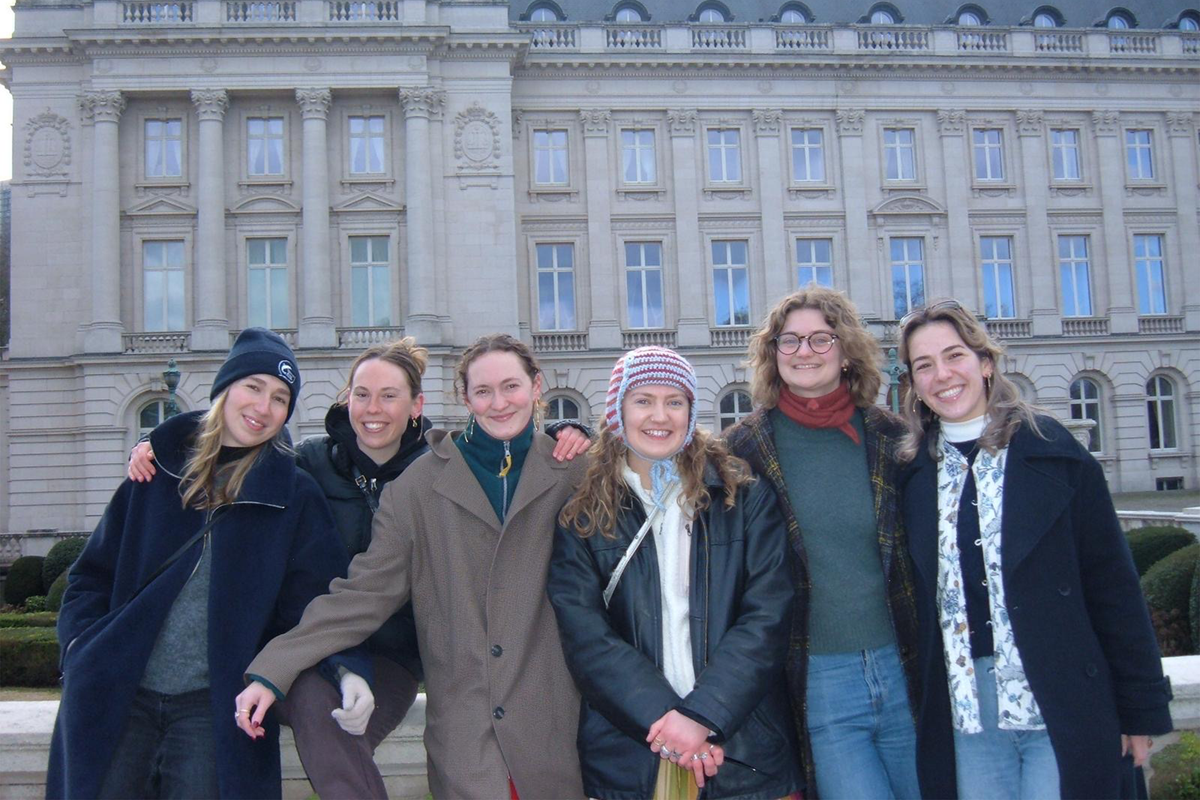
It’s just past midday on a grey day in February. We're pulling into the quiet platform at Brussels Midi railway station. Unlike the briefcase-clutching businessmen alighting with us, we’re here for pleasure. Our objective: the best girls’ trip ever.
The capital of Belgium, best known as the stage for European politics, rarely makes travel vision boards, even less the shortlist for a girls’ trip. Ask anyone if they’ve visited Brussels and the answer tends to be the same: they’ve only passed through it. Choosing it as a final destination, as my friends group is doing, is a rarity.
Though we’re not alone in choosing an unexpected destination for our long weekend. Travellers are turning more and more to alternative destinations as rising living costs leave us feeling squeezed, and holidays seem more like a luxury than ever. Plus, due to the fact overtourism is becoming a problem in already popular destinations, the lesser-explored corners of well-loved countries are having a moment. Adventure travel company Explore Worldwide has called the trend “the rise of non-viral destinations”.
Read more: The German city that has Berlin teetering on its trendy pedestal
While Brussels is hardly a lesser-trodden destination (the city recorded 10 million overnight stays in 2024), it rarely springs to mind when planning a city break just for fun. Its reputation and role in business tourism is to thank for the lack of crowds at what would typically be tourist attractions in other European cities. Plus, you can get a night in a city centre hotel for as little as £60 – a fraction of what the same room would cost in a city like Paris.
Rather than detract from its appeal, that obscurity enticed me. Here was the chance to delve into an off-piste European capital.
I made friends with the seven girls forming this holiday group during my year abroad in Germany. I joined them halfway through their Erasmus year in the Black Forest city of Freiburg after a six-month stint teaching in Mainz, a city about 30 minutes from Frankfurt.
Days spent unearthing the local spots, day-tripping to nearby towns (I can firmly recommend fairytale Colmar and outdoorsy Konstanz), or catching sun on the banks of the campus lake built distinctly European memories we were keen to build on. Brussels was a natural reunion point as one member, Anna, had since moved here. Like most cities, having a local at your side helps. In Brussels, it feels like a particular gift. To truly scratch below the surface and unearth the city’s treasures you need someone who knows where to dig.
Officially the Brussels-Capital Region, the city is made up of 19 municipalities, with the City of Brussels at its core, while its outskirts stretch into parks, squares, residential areas, and notable architecture. That layered nature makes the city feel full of hidden corners and places you’d otherwise miss.
Take the bar where we spent the final hours of our first night: Goupil le Fol. You could easily walk by on your way to a touristy alternative, missing its dimly-lit interior filled with eccentric curiosities, retro posters and the vinyl records stuck to the ceiling. The sense you have to be “in the know” only heightened the delight.
Read more: Portugal’s Fisherman’s Trail is the perfect multi-day hike
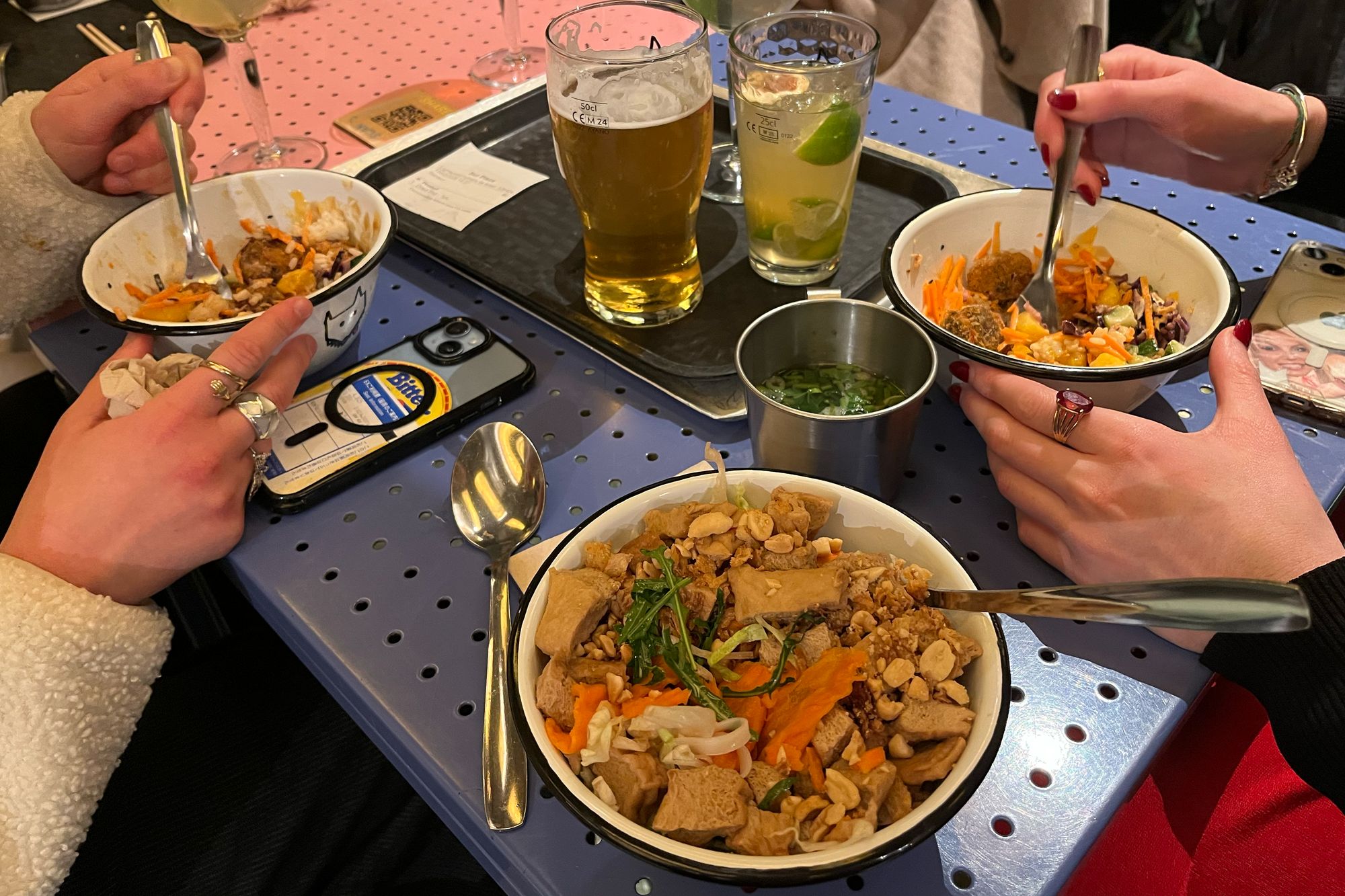
The next day, Brussels rewarded more exploration on foot. As a cosmopolitan city where roughly seven in 10 residents are foreign nationals, layers of different cultures have shaped its urban texture. Food market Wolf serves them up on a plate – think Syrian bread baked on site; fresh homemade pasta; an international, award-winning pizzeria; and Taiwan-inspired comfort food.
It’s a city that’s no stranger to urban struggle. From its foundation as the capital of the newly independent kingdom following the Belgian Revolution in 1830, to the linguistic-social Flemish demonstrations of the early 1960s, its streets have long hosted protests. As we walk the streets and passed pro-Palestine demonstrations on its squares, it’s clear that the city remains a canvas for expression.
Anna told us it’s a city where people arrive chasing opportunity and often leave just as quickly. Yet spending a few days drifting through its streets, we found that sense of flux part of its appeal – the longer we explored, the more the city revealed itself.
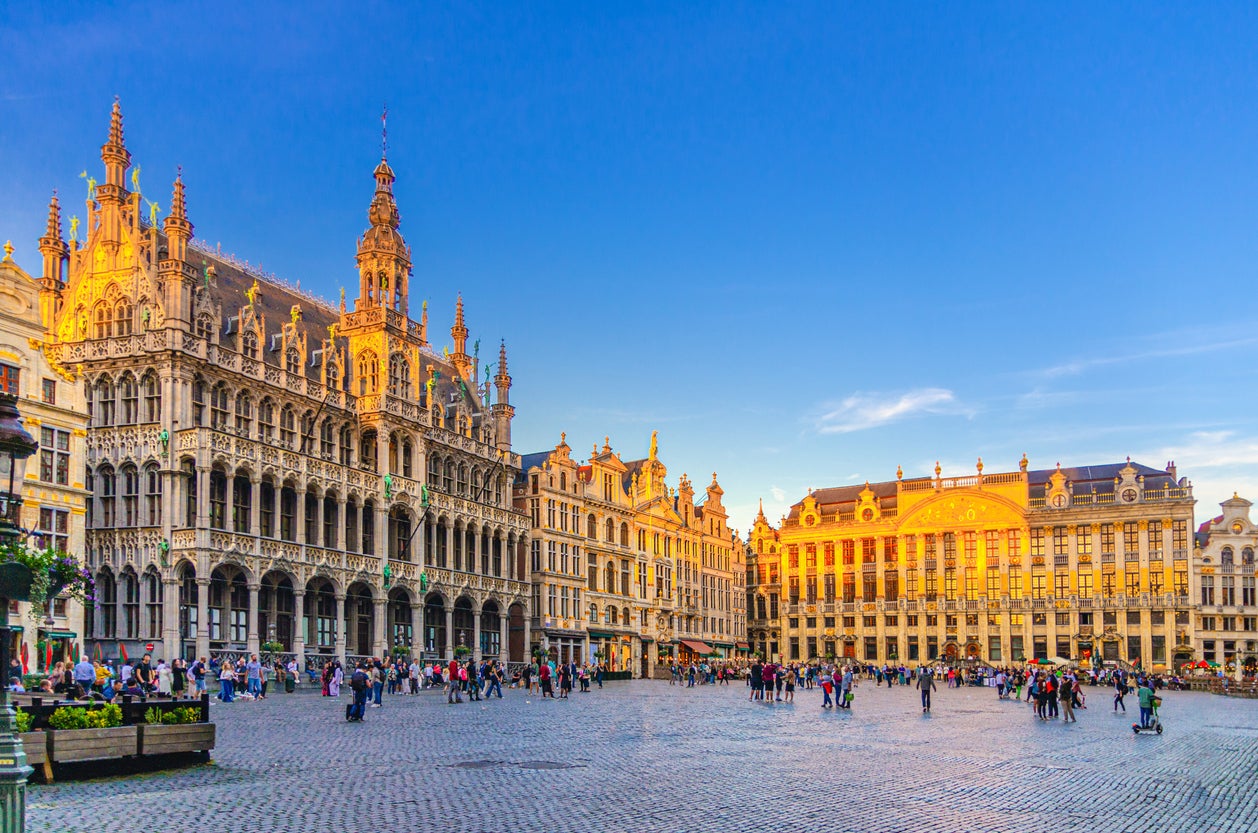
I loved gaining a better understanding of Brussels via its architecture. Crossing from one district to another felt like moving between eras: the Gothic and Flemish Baroque facades on The Grand-Place give way to grand neoclassical boulevards such as those in The Royal District, then suddenly to sweeping Art Nouveau townhouses. Around the Royal Quarter in the centre, we stopped to admire the symmetry of the 18th-century buildings and the imposing Royal Palace of Brussels, still used as the king’s working palace.
Later in Ixelles, a neighbourhood southeast of Brussels’ city centre, the mood shifted entirely. We spent the morning running around the Ixelles Ponds, ducking between independent boutiques and brunch spots before stumbling across Ciamberlani House, its facade covered in elaborate sgraffito decoration.
For a closer look at the art movement that the house is part of, the Horta Museum traces the life and work of Victor Horta, one of Belgium’s most seminal architects and a founding figure of Art Nouveau.
Read more: The six best cities to travel solo in Europe
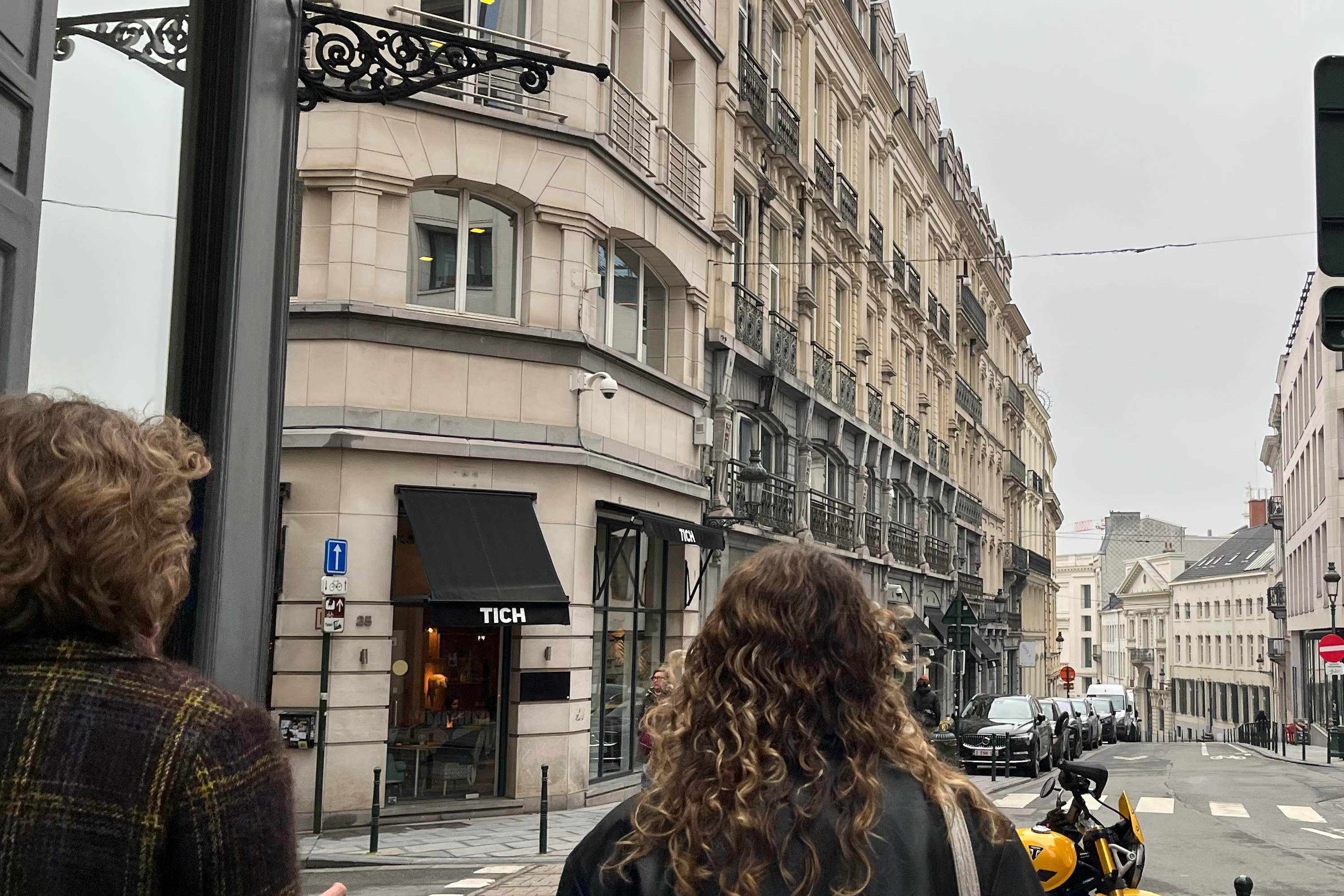
What stayed with me most, though, was the way old and new constantly collided in the city. While queuing for a DJ-hosted vintage clothes market in the city centre, we looked up to see the Gothic towers of St Michael and St Gudula Cathedral looming above us. Later, wandering down Rue de Namur, we stopped at brunch spot TICH for whole food bowls and gluten-free pancakes. From there, the street opens onto Place Royale, where we spent the afternoon inside the Magritte Museum, which offers an excellent and varied display of the famous Belgian Surrealist’s work.
By the end of the weekend, Brussels had quietly worked its way under my skin. It’s not the kind of city that shouts for attention – it isn’t filled with social media hotspots that you feel pressured to tick off. Instead, it revealed itself slowly at the perfect pace for catching up with friends.
As we rolled our suitcases back towards Brussels Midi for the journey home, it felt as though we were leaving behind a city that is constantly changing – and is all the more compelling for it.
How to get there
The Eurostar from London’s St Pancras International operates multiple times a day to Brussels Midi. British Airways flies direct from London Heathrow to Brussels Airport, while Ryanair takes travellers from Manchester and Edinburgh to Brussels South Charleroi Airport.
Where to stay
Located just outside the city centre, Citybox is a simple, affordable option with Scandinavian-designed rooms and adjoining cafe, Brød, which serves tasty sandwiches and salads.
Read more: How accessible is Eurostar? I tested a journey as a wheelchair user