[Update] Googlebook finally gets a launch date, and it’s sooner than you would expect
Google will showcase Googlebook in New York on September 15, revealing its Gemini-powered software, native Android codebase and laptops from hardware partners.
 KickT
KickT
![[Update] Googlebook finally gets a launch date, and it’s sooner than you would expect](https://www.digitaltrends.com/tachyon/2026/08/GoogleBook-Featured-Image-Official.jpg?resize=1200%2C630)
Googlebook gets a September 15 showcase with Gemini, Android and new laptops
 Google
Update: Google clarified information surrounding the event. Here is the statement: “Nothing will be announced on September 15; that is just the date of the embargoed event.“
The original story is as follows.
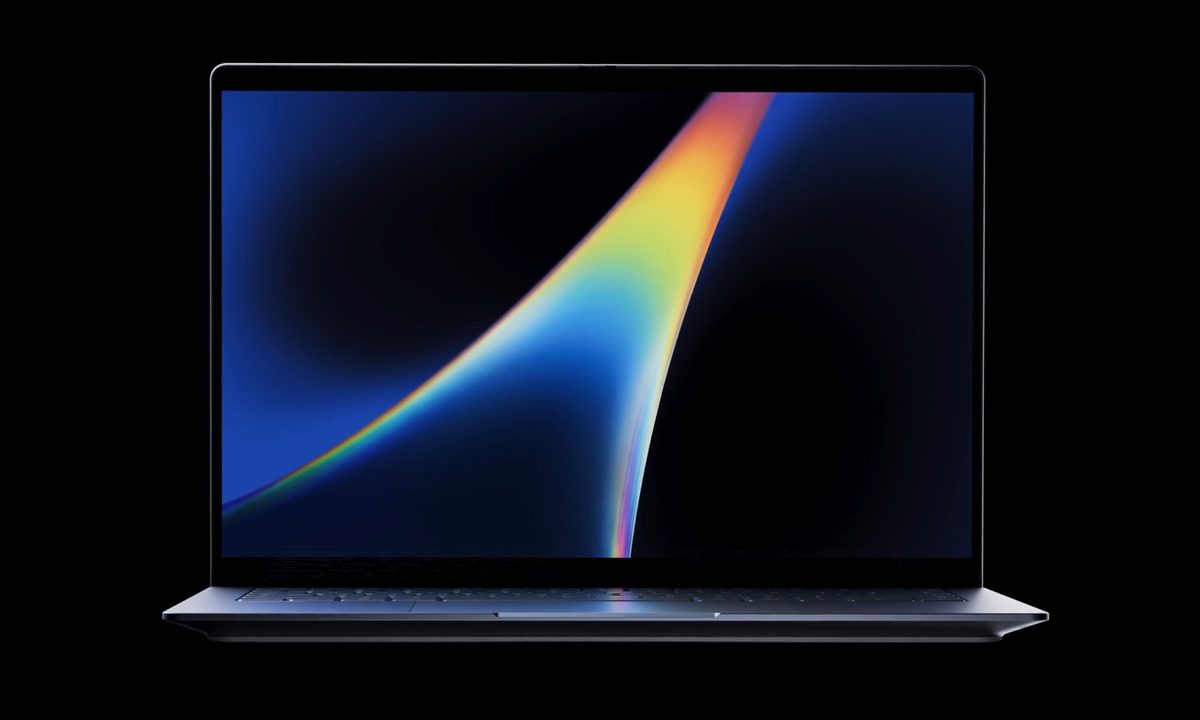
Google has finally put a date on the next major step for Googlebook, its upcoming premium laptop platform designed around Gemini and a native Android codebase. The company will host an in-person media showcase in New York City on September 15, 2026, where it plans to reveal more about the software and hardware behind the platform.
Google first introduced Googlebook alongside Android 17 at The Android Show earlier this year. Details were limited at the time, but the company demonstrated Gemini-powered features including custom widgets, Magic Pointer and deeper connections between Googlebooks and Android phones.
The September event should provide the clearest look yet at what Google wants its laptop platform to become. Google has also confirmed hardware partnerships with Lenovo, ASUS, HP and other manufacturers, meaning the event is expected to feature more than one type of Googlebook.
Googlebook is finally getting its big reveal
According to an official invitation received by Chrome Unboxed, Google’s September 15 event will include a keynote from company leadership covering Googlebook’s software, Gemini features and native Android codebase. Hands-on stations featuring hardware from Google’s OEM partners are also planned. That could give attendees their first proper look at the laptops manufacturers are preparing for the platform, rather than another collection of software demonstrations.
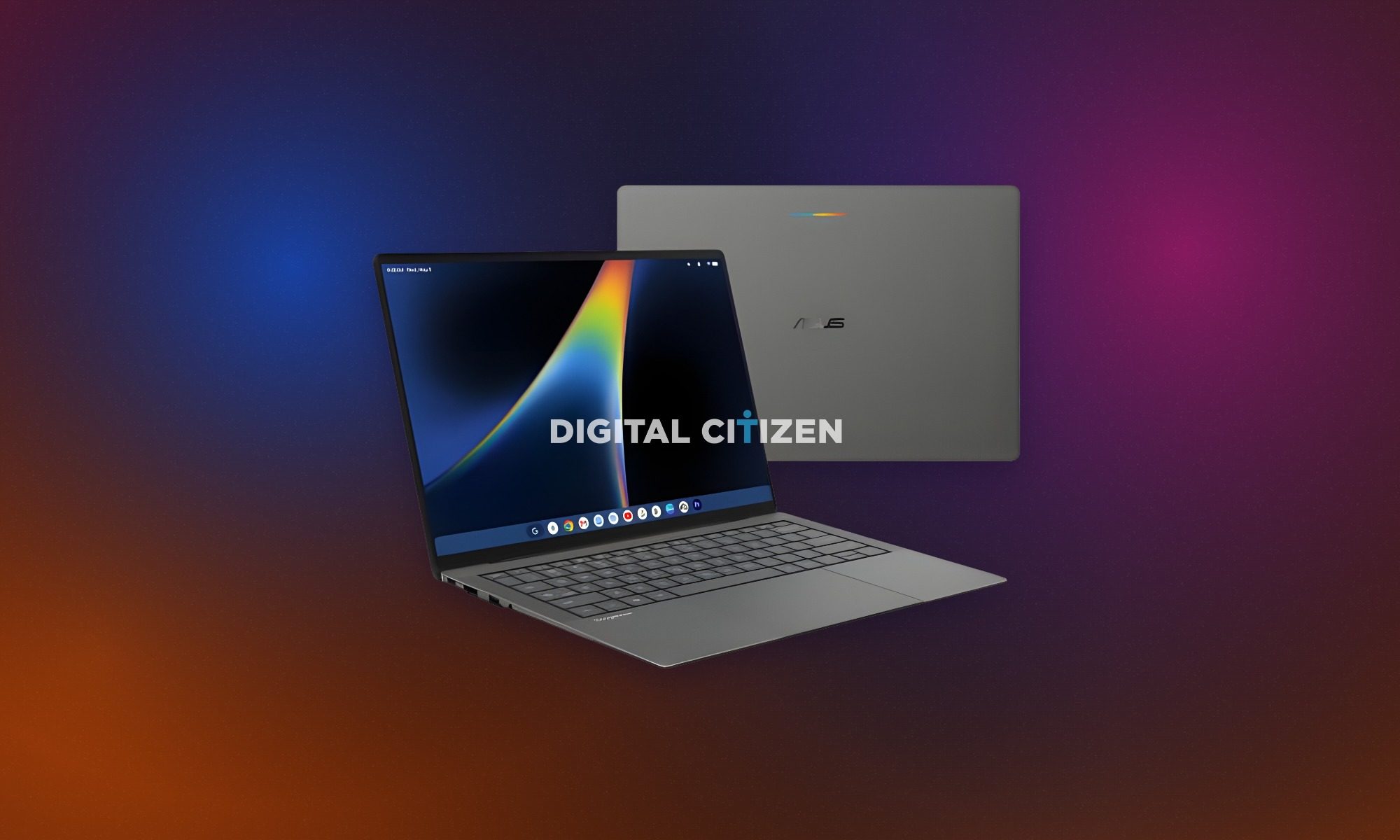
Leaks have already offered glimpses of upcoming Lenovo Googlebook models. The laptops are also reportedly expected to feature Google’s HiLight LED bar, a glowing design element that has appeared on the Google Home Speaker and Pixel 11 Pro lineup.
 Digital Citizen
For Google, the event matters because Googlebook is being positioned as more than another Chromebook refresh. The company is building the platform around Gemini intelligence and Android, potentially giving manufacturers a new foundation for laptops that can share more capabilities with Android phones.
Snapdragon could bring Googlebook to cheaper laptops
Google has previously confirmed that Googlebook will support processors from Intel, Qualcomm and MediaTek. New code references may now provide an early look at Qualcomm-powered machines. According to GbookHub, two designs codenamed Annite and Pic are linked to Qualcomm’s eight-core Snapdragon X Plus X1P-42-100 processor and a platform called Mica. The chip can reach 3.4GHz, while the references also point to fingerprint support and no USB-A port on those particular designs.
 Google
Additional references to Quartz and Mica could be connected to the more powerful Snapdragon X Elite X1E-80-100, although that connection remains less certain. The Snapdragon X Plus models could give manufacturers more room to build Googlebooks around price, battery life and different form factors. Current Windows laptops using the chip generally sit around $700 to $1,100, although Googlebook pricing has not been announced.
Intel-powered hardware has also leaked, including an Acer model reportedly offering up to 32GB of RAM and a 2.8K OLED display. For now, Annite and Pic remain code names rather than confirmed products. The September 15 showcase should finally reveal whether Google’s ambitious laptop strategy can turn those scattered pieces into a convincing alternative to conventional Windows and ChromeOS machines.

Moinak Pal is has been working in the technology sector covering both consumer centric tech and automotive technology for the…
Intel’s next laptop CPUs could get a huge cache upgrade with Razor Lake
Razor Lake is rumored to bring bLLC to mobile chips, while an earlier N2X claim has already been revised to N2P V2
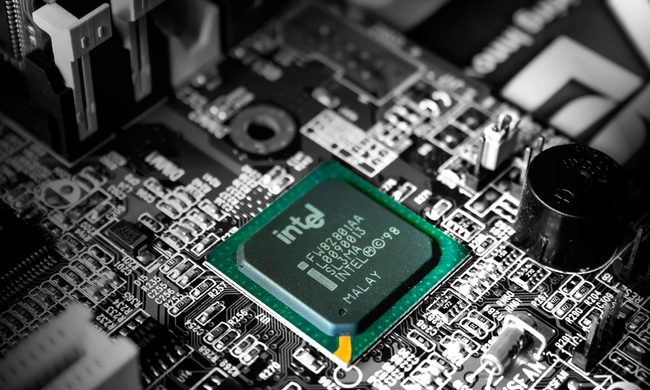
Intel’s future laptop chips could be in line for a much bigger cache. Leaker Jaykihn says Razor Lake will include mobile SKUs with bLLC, or Big Last Level Cache, potentially extending Intel’s large-cache strategy to notebooks.
There’s already reason to be cautious with the details. Jaykihn initially identified TSMC’s N2X process for Razor Lake before correcting the claim to N2P V2. Intel hasn’t announced Razor Lake or confirmed either specification, so this remains a very early look at the generation.
Windows 11’s latest update has become a gamble for gamers
KB5121003 is crashing The Finals for some players, while Microsoft still lists no known issues with the update

Windows 11’s August update is becoming a risky install for some gamers. Windows 11 update problems are hardly new, but KB5121003 has now been linked to crashes in The Finals, and developer Embark has already published troubleshooting steps for players who run into them.
Embark traced the problem to inpoutx64.sys, a third-party driver that can conflict with the update. Its workaround removes the troublesome driver while leaving KB5121003 itself installed, which is a much better option than rolling back the whole update.
NVIDIA delivers 10,000 H200 chips to Chinese ByteDance and Tencent, more to follow
NVIDIA H200 chips are now reaching Chinese AI companies

ByteDance and Tencent have reportedly begun receiving shipments of NVIDIA's H200 artificial intelligence chips in China, marking a significant development in the technology rivalry between Beijing and Washington.
According to the Financial Times, both companies have received around 10,000 H200 processors each over the past few weeks after China allowed the chips to enter the mainland. The shipments could give two of China's largest technology companies additional computing power to train advanced AI models and develop AI agents capable of competing with leading U.S. systems.