Windows 11 is getting rid of the Drag Tray feature
Microsoft is removing Windows 11’s Drag Tray after users complained that the file-sharing overlay interfered with everyday drag-and-drop actions.
 KickT
KickT
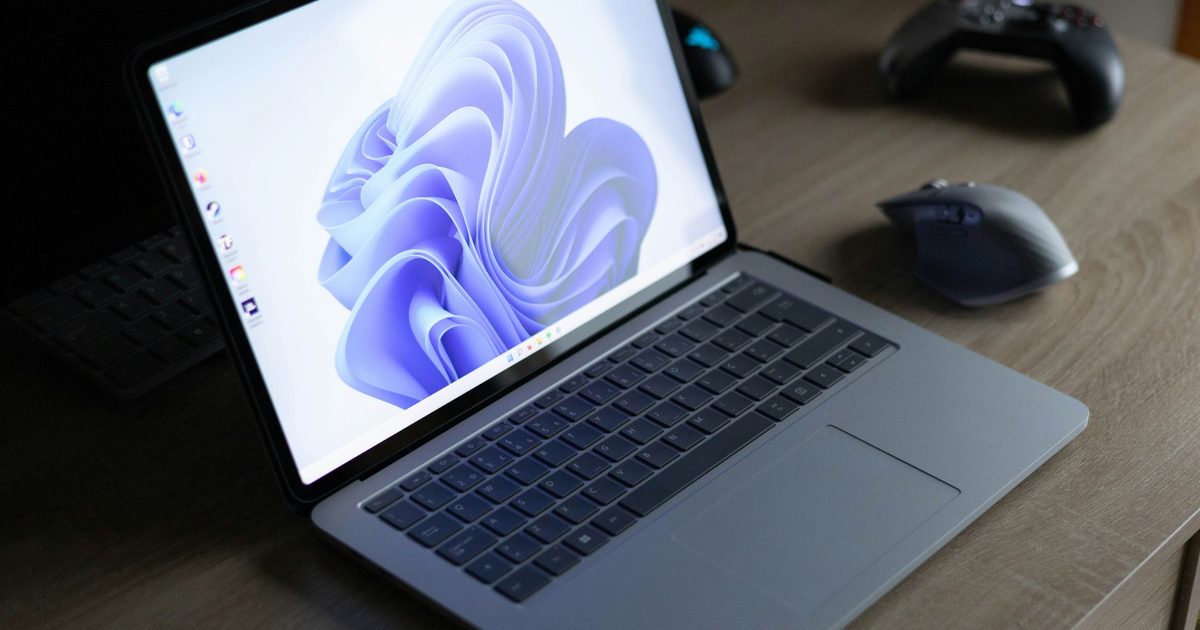
Windows 11’s annoying Drag Tray is finally being dragged away
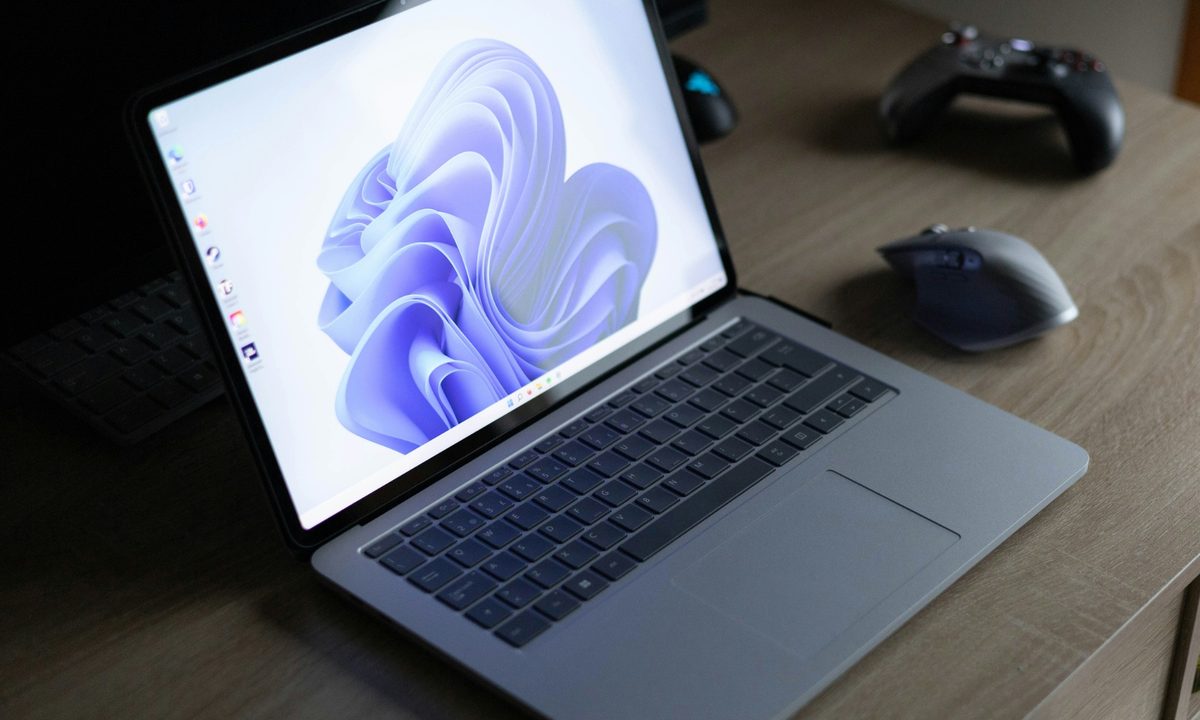 Windows 11
Unsplash
Windows 11
Unsplash
Microsoft is pulling the plug on one of Windows 11’s more unusual experiments in file sharing after users made it clear that the feature was often more frustrating than helpful.
The feature, called Drag Tray, was designed to offer a quicker way to share files. Grab a file in File Explorer, drag it toward the top of the screen, and a floating panel would appear with shortcuts for sending it to apps. Simple enough in theory. The trouble was that plenty of people were already dragging files toward that part of the screen for entirely different reasons.
Microsoft has now started removing Drag Tray from the latest Windows 11 Insider preview builds following user feedback. The company says it is still exploring improvements in the area and plans to share more about a future replacement later.
Drag Tray tried to speed things up and got in the way
Drag Tray had been in testing for more than a year and was initially available only to a subset of Windows 11 users. Its purpose was straightforward: drag a file to the top of the screen, then drop it onto an app to share it.
Windows 11 already offers several ways to send files, including the familiar right-click Share option. Drag Tray was supposed to be a faster alternative, reducing the number of clicks required to move something from File Explorer into another application.
 Windows 11 Unsplash
Users, however, did not always see it that way. The feature could appear while someone was simply moving files between windows or organizing folders. Instead of quietly helping, the panel introduced another interface element that users had to avoid. Online complaints described it as frustrating and annoying, while others actively searched for instructions on how to disable it. In a general way, all feedback about the Drag Tray was about its drawbacks. Here are some issues users discussed on public forums.
r/Windows11 (Disrupting Desktop File Sorting): Users complained that placing files near the top of the desktop triggers the panel’s intrusive overlay. One thread highlights a user saying, “The new ‘drop to share’ feature is too intrusive and prevents file placement on top of the desktop.” r/Windows11 & r/WindowsHelp (Blocking Tabs & App Dragging): Multiple threads document workflow interruptions when trying to drag items into software or existing windows. One user noted, “Why does the drop tray block me from dragging files into another tab in Explorer? This feature is irritating.” Another reported that it “literally wouldn’t let me drag and drop into After Effects anymore.” r/Windows11 (Invisible Mouse-Input Dead Zones): Users reported phantom UI glitches where an invisible box blocked clicks even when hidden. A user stated, “Just experienced a bug where the area where the tray would show up was blocking all mouse inputs… couldn’t click a thing in that area.”Microsoft’s decision to remove the feature is significant because it shows the company responding to a familiar problem in modern software design: not every shortcut feels like a shortcut when it interrupts an action people have been performing the same way for years.
Drag-and-drop is one of the most deeply ingrained interactions on a desktop computer. Adding a new destination to the path may sound useful, but it also risks colliding with habits that users have built over decades.
Microsoft is removing the feature, but the idea is not dead
The change does not necessarily mean Microsoft has given up on making file sharing faster. According to the company’s statement, Drag Tray is being removed from the current Insider builds based on feedback, while Microsoft continues to explore improvements and a possible replacement. What that replacement will look like remains unclear.
 Windows 11 Unsplash
For now, Insider users running the latest preview builds should notice that Drag Tray has disappeared. The feature remains available in existing production versions of Windows 11, although the removal from Microsoft’s testing channels suggests its days are numbered.
Microsoft has not said when the feature will disappear from all shipping versions of Windows 11 or whether its eventual replacement will use a similar drag-and-drop interface. The bigger takeaway is probably more useful than the feature itself. Windows does not always need another floating panel, shortcut, or prompt to make an everyday task easier. Sometimes, the fastest way to move a file is still just dragging it where it needs to go.

Moinak Pal is has been working in the technology sector covering both consumer centric tech and automotive technology for the…
OpenAI wants to monitor AI abuse without forcing customers to hand over their data
Its new Private Safety Processing system takes a different approach from Anthropic, which requires 30-day retention for some advanced models

OpenAI wants to get better at spotting people abusing its frontier AI models without asking privacy-conscious customers to give up Zero Data Retention. In an August 19 announcement, OpenAI introduced Private Safety Processing, a system designed to detect suspicious behavior across multiple interactions while preserving ZDR for eligible API customers.
OpenAI says its existing ZDR safeguards evaluate requests individually, making patterns spread across several interactions harder to detect. Private Safety Processing is supposed to fill that gap without giving OpenAI employees access to the underlying prompts or responses.
Google is giving students a free year of AI Pro and a new Gemini Student Hub
Gemini is getting more tools to help students study, organize, and research

Google is currently behind OpenAI and Anthropic at the top end of the frontier-model race. Anthropic’s Claude Opus 5 and OpenAI’s GPT-5.6 Sol both rank ahead of Gemini 3.1 Pro on major independent benchmarks, while Google’s long-awaited Gemini 3.5 Pro remains in testing after reportedly falling short of internal performance targets.
While Google works on closing that gap, it is also pushing Gemini aggressively toward a very different audience. Eligible U.S. college students can now get Google AI Pro free for an entire year, alongside a new Student Hub built specifically around studying, coursework, and research.
Google gives Gemini Live its own Deep Research upgrade
Researching complex topics on the move just got a lot easier for Gemini Live users
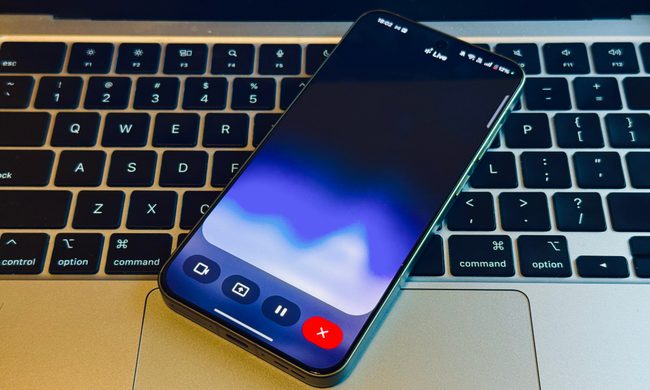
Google is giving Gemini Live a pretty meaningful upgrade with the addition of Deep Research. The feature is rolling out today to all Gemini app users, letting you start a full research task through a voice conversation and come back to the finished report later.
Deep Research has already been available inside Gemini for some time. Instead of giving you a quick chatbot answer, Gemini can dig through multiple sources, follow useful leads, and put together a much more detailed report with citations. The process can take several minutes, but you don’t have to keep Gemini open while it works. Once the research is finished, you’ll receive a notification.