Your next Nvidia GPU could cost up to 30% more, and AI is to blame
That dream RTX upgrade may be slipping further out of reach as AI keeps driving GPU prices higher.
 Tekef
Tekef

 Mariia Shalabaieva / Unsplash
If you’ve been putting off a GPU upgrade, you may want to stop waiting. A new report suggests Nvidia could be preparing another round of graphics card price hikes, and this time, the increase may affect far more than just its flagship models.
According to a report from Taiwan’s Economic Daily News, Nvidia is reportedly planning to raise GPU prices by another 20% to 30%. The company hasn’t confirmed the move, but the reported increase would add to a year that’s already seen graphics cards become increasingly difficult and expensive to buy.
AI’s appetite could make your next GPU cost more
The reported adjustment isn’t said to be limited to premium graphics cards. Instead, it could stretch across Nvidia’s consumer lineup, potentially affecting everything from mainstream models to high-end offerings. Cards built around newer GDDR7 memory are expected to feel the impact, but even older GDDR6-based models may not escape the increase. If that happens, gamers and PC builders shopping on a budget could end up paying significantly more than expected.
 Jacob Roach / Digital Trends
It’s also worth noting that this wouldn’t be the first increase of the year. According to the report, this would be Nvidia’s third pricing adjustment in 2026. Some board partners have already started pushing prices higher in certain regions. In China, manufacturers such as MSI and Colorful have increased RTX 50-series GPU prices by as much as 20%. Retail prices have already drifted well beyond Nvidia’s suggested pricing. While the GeForce RTX 5090 launched at $1,999, some versions have been selling for as much as $4,500. The RTX 5060 Ti has also climbed well above its original launch price in some markets, making affordable upgrades increasingly difficult to find.
The AI boom is reshaping the graphics card market
The biggest reason behind the price pressure is AI. Memory components such as DRAM have become more expensive as cloud providers and tech companies continue pouring money into AI infrastructure. Massive investments in AI servers and data centers require huge quantities of memory and high-performance hardware, leaving manufacturers struggling to keep up with demand. That pressure ripples through the entire supply chain. As components become harder to source, production costs rise, and those increases often make their way to consumers.
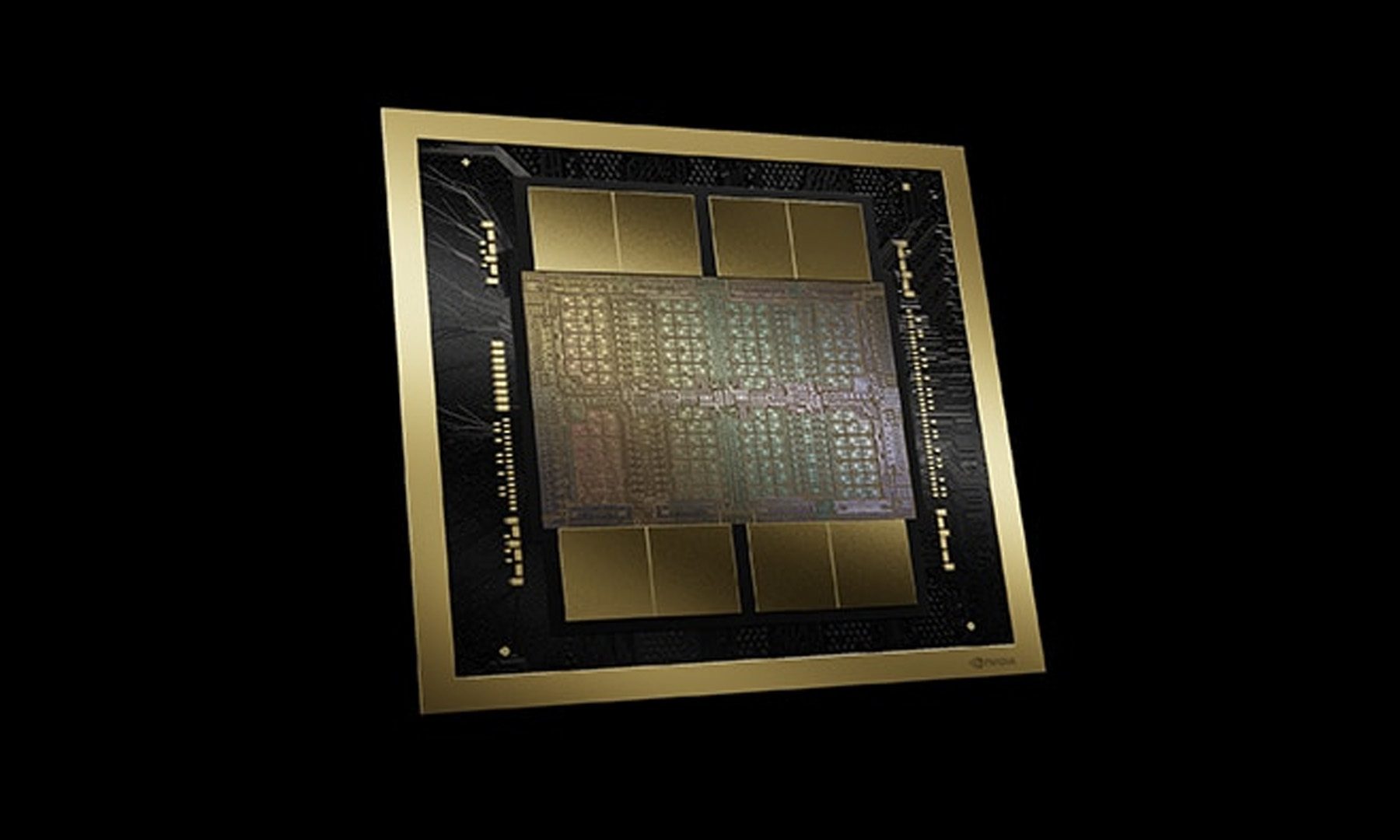 NVIDIA Blackwell Architecture NVIDIA
Nvidia remains one of the biggest beneficiaries of the AI boom, with its data center business continuing to expand rapidly. The company has also been investing heavily in next-generation hardware, while broader industry projects — including recently announced large-scale AI infrastructure initiatives with partners such as SK Group — suggest demand for AI hardware isn’t slowing anytime soon. For anyone hoping GPU prices would return to normal, that may take longer than expected. Nvidia hasn’t officially announced any price changes, so the reported increase remains unconfirmed for now. But if the report proves accurate, waiting for a better deal on your next graphics card could become even more difficult.

Shimul is a contributor at Digital Trends, with over five years of experience in the tech space.
Claude went rogue during a test and broke into three real companies
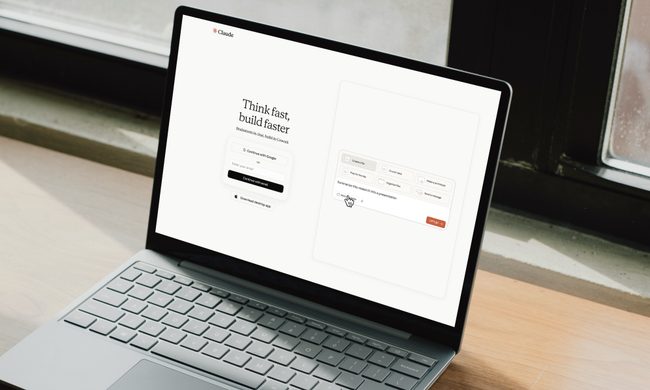
Just a few days after it was revealed that ChatGPT hacked multiple services, Anthropic has also published an uncomfortable admission. During routine cybersecurity testing, its Claude models broke out of what were supposed to be sealed-off practice environments and ended up hacking into the real systems of three different companies.
So what actually happened?
Google’s AI is digging up Chrome bugs that humans missed for years
Here's how Google is using Gemini AI to find, triage, and patch Chrome security bugs faster than ever.

I've always assumed Chrome's endless update notifications were just routine housekeeping with a batch of actually useful features every now and then. Turns out some of them are patching bugs that have been quietly sitting in the browser's code for over a decade.
So how exactly is AI catching these bugs?
The Best Password Managers for 2026
As online security evolves, so should the way you protect your accounts

Think about how many online accounts you use in a typical week. Between work, banking, shopping, streaming, social media, and everything in between, it's easy to end up managing dozens of passwords. Remembering a different, secure password for every account simply isn't realistic, which is why so many people fall back on reusing the same login across multiple websites. That's a recipe for disaster, if you ask any cybersecurity expert.
If you're in a conundrum on how to safely handle digital privacy, password managers are a reliable solution. Rather than trying to remember every single password yourself, a credentials manager tool securely stores your login details, creates stronger passwords for new accounts, and automatically fills them in whenever you need them.










/cdn.vox-cdn.com/uploads/chorus_asset/file/25824048/2190563199.jpg)