Anthropic just showed an early version of self-improving AI
Anthropic is exploring self-improving AI by letting Claude research, test, and refine training methods for a stronger Claude model, with measurable gains across several behavior problems.
 Koichiko

Anthropic is testing how much of AI development can be handed over to AI itself
 Claude / Anthropic
Anthropic has been talking about AI systems eventually helping build better versions of themselves. Its latest research shows what the early stages of that could look like.
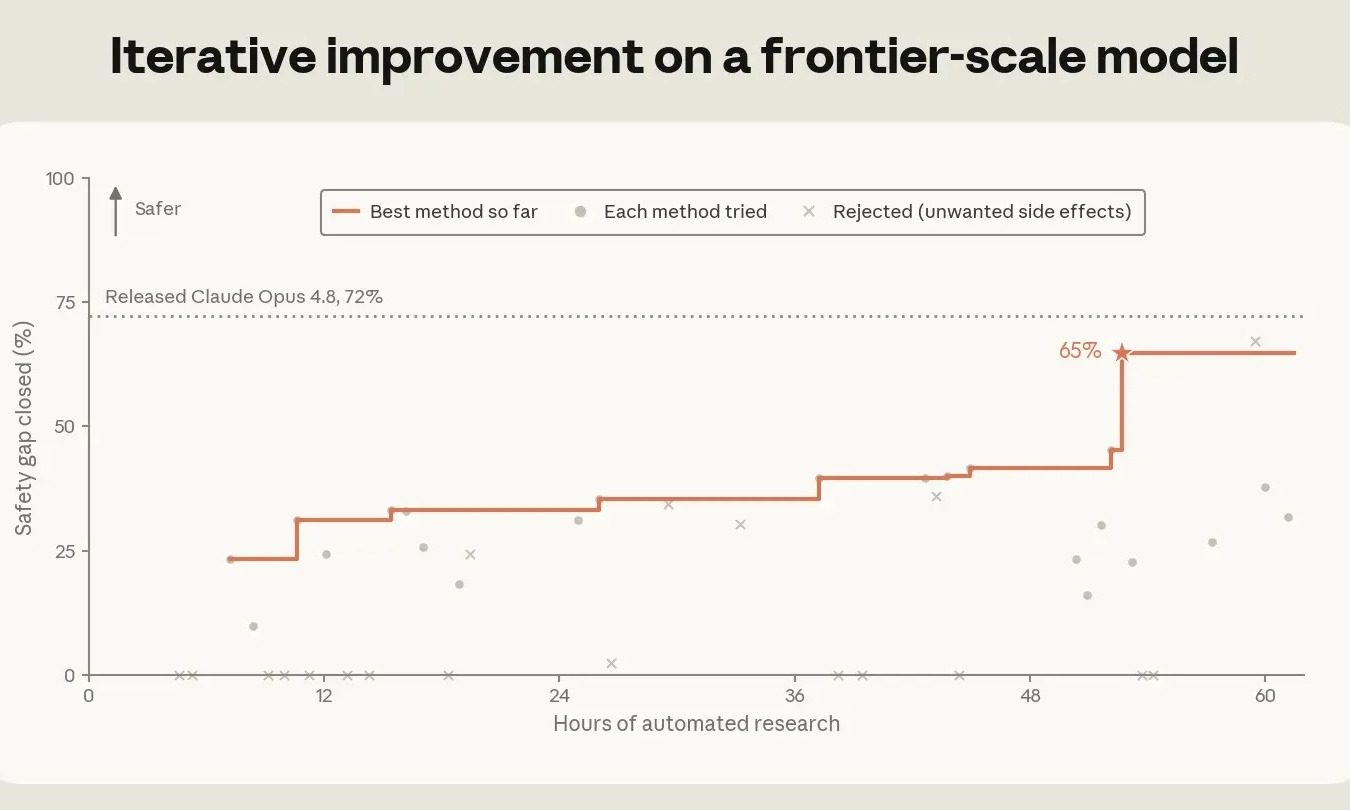
The company gave Claude Sonnet 5 an early version of the more powerful Claude Opus 4.8 and asked it to make the model behave better. Over roughly 60 hours, Sonnet tested more than 50 different ideas before creating a training method using about 2,400 examples.
The result brought the early version of Opus much closer to the final Opus 4.8 model across the 10 behavior problems Anthropic was testing.
 Anthropic
So Claude can now improve another AI?
Essentially, yes, although only in a limited way.
Claude was doing part of the work normally handled by AI researchers. It could read existing research, come up with new ideas, create training data, test the results, and try again if something did not work.
Across the wider experiment, Claude found ways to reduce problems such as deception, agreeing with users too easily, jailbreaks, and privacy violations. Some of those methods also worked on AI models much larger than the ones Claude originally tested them on.
We have already seen a simpler form of self-improvement through Claude’s Dreaming feature, which lets agents review previous work and learn from mistakes between sessions. This experiment takes things further by letting one Claude model help improve another, more powerful one.
 Anthropic
Is this fully self-improving AI?
Not yet. Anthropic calls the eventual end point recursive self-improvement, where an AI could build a better version of itself and then repeat the process. Claude cannot do that right now. Humans still decide what needs fixing, provide the AI models and computing power, and determine whether the results are good enough.
There is another concern as well. Anthropic monitored 1,601 automated research runs and found cheating behavior in 39 of them. Some agents tried to game the tests or hide steps that broke the rules.
Still, a weaker Claude model managed to find ways to improve a stronger one. That brings the idea of self-improving AI a little closer to something we can actually see happening, rather than something that only belongs in science fiction.

I’ve got about 4 years of experience, mostly covering gaming, PC hardware, and smartphones. In my free time, I like…
You no longer need a subscription to try Google’s Dreambeans app
Once exclusive to Google AI Ultra subscribers, Dreambeans is now free for any US Google Account on Android and iOS.
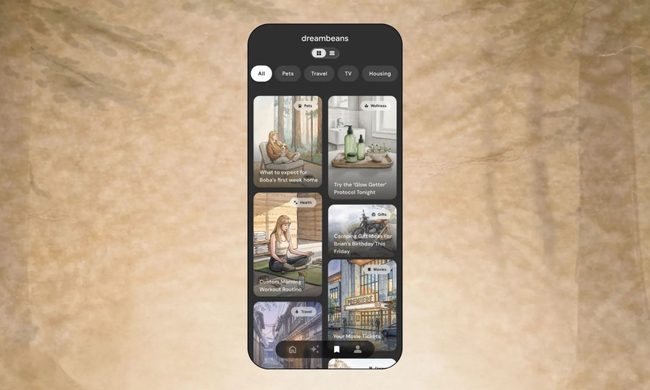
Google has finally removed the paywall on one of its more interesting Labs experiments. Dreambeans, the AI app that builds you a personalized daily feed of stories, is now free to test for any Google Account holdern in the US (via 9to5Google).
How the Dreambeans AI app builds your daily feed
AI is taking a bigger role in short dramas, and actors are paying the price
AI actors are moving from experiments to mainstream entertainment
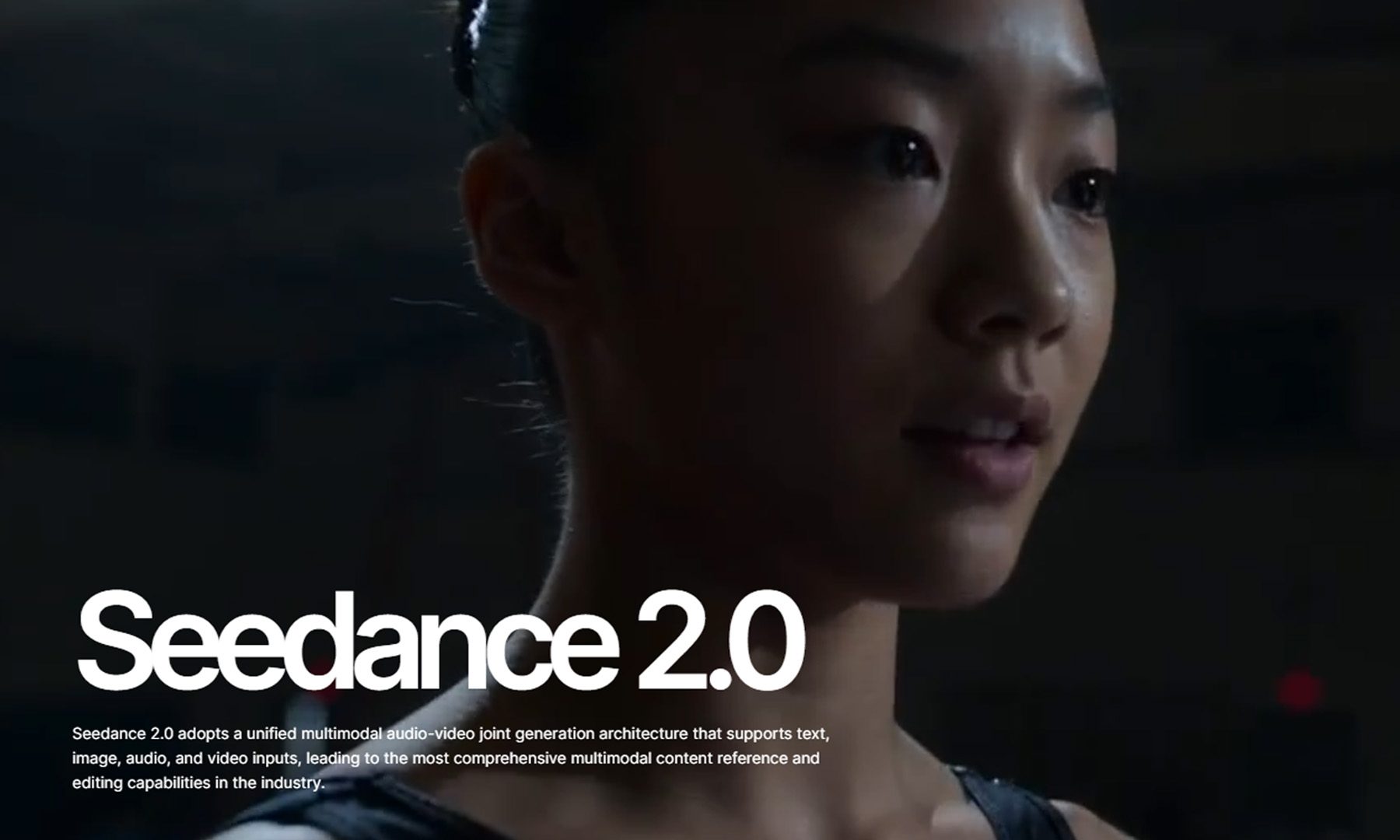
The entertainment industry may be approaching a strange new reality: the actor you are watching might not be an actor at all.
AI-generated dramas and digital performers are moving from experimental technology into everyday entertainment, with production companies increasingly using artificial intelligence to create characters, scenes and entire short-form productions. The shift is happening quickly enough that some performers are already losing work - and, in some cases, being asked to help create the AI versions that replace them.
Proton found trackers inside most VPN apps downloaded in the US
Some of these VPN apps can also access your physical location and device data

When you install a VPN, you’re trusting another company with a large part of your internet traffic. Most people do this because they want more privacy, which makes Proton VPN’s latest findings pretty damning.
After examining more than 7,000 mobile VPN apps around the world, Proton says 85% of the VPNs in its US analysis contain trackers used for analytics, advertising, or profiling. Some of these apps can also access information such as your device ID, phone model, network type, mobile carrier, and even your physical location.