Three dead and British tourist in intensive care after hantavirus outbreak on polar expedition ship
A 69-year-old British national remains in intensive care in South Africa
 Konoly
Three people, including an elderly couple, have died and five others have been taken unwell after a virus outbreak on a cruise ship sailing in the Atlantic Ocean.
One case of hantavirus has been confirmed, while one British national, aged 69, is in intensive care in Johannesburg, South Africa.
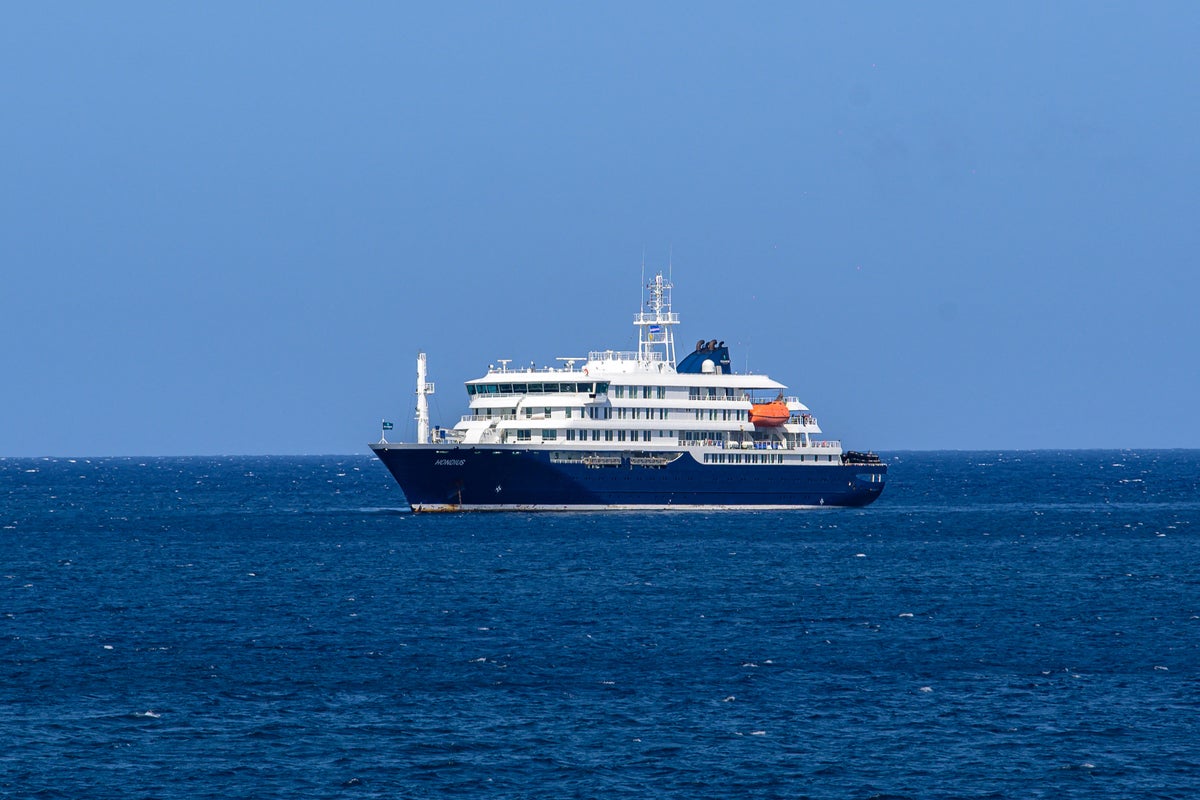
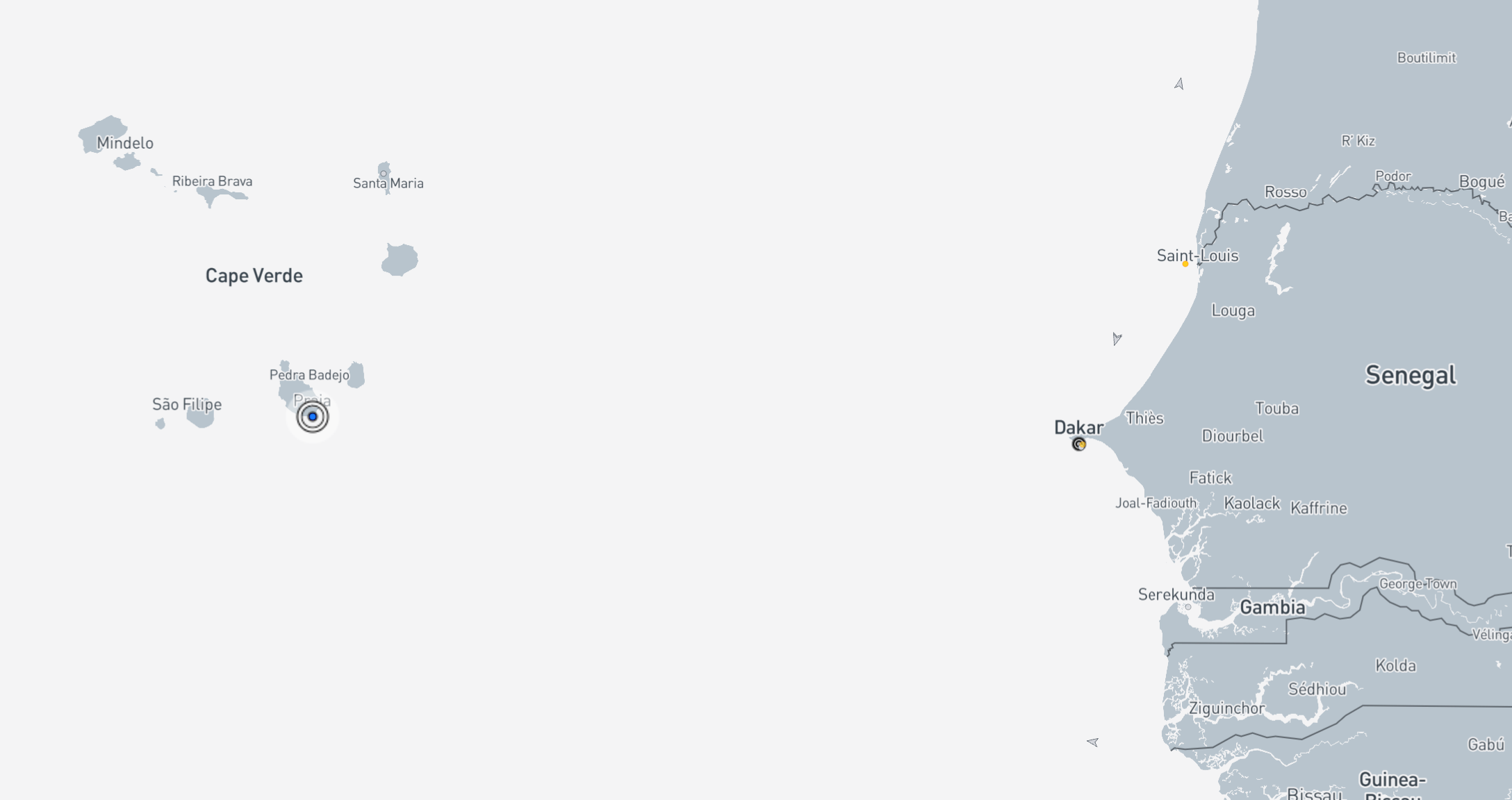
The outbreak was reported aboard the MV Hondius cruise ship, which was travelling from Argentina to Cape Verde.
The MarineTraffic global shipping website identified the vessel as a Dutch-flagged passenger cruise ship. It was docked in Praia, the capital of Cape Verde, on Sunday night.
The local authorities were assisting but had not allowed anyone to disembark. It said the two sick people onboard requiring urgent medical care were crew members.
Local health authorities have visited the vessel to assess the condition of the two symptomatic individuals, said tour company Oceanwide Expeditions which runs the vessel MV Hondius. The officials are yet to make on a call on transfer of these individuals to medical care in Cape Verde.
“The priority of Oceanwide Expeditions is to ensure that the two symptomatic individuals on board receive adequate and expedited medical care,” the company said in a statement. Meanwhile, Dutch authorities have agreed to repatriate the two symptomatic individuals on board from Cape Verde to the Netherlands, said the company. The body of the deceased individual will also be included in the repatriation efforts, along with the kin of the deceased, it said, adding that the individual is not symptomatic.
South African authorities told the BBC the first person to show virus symptoms was a 70-year-old passenger who died on board. His body is now on the island of Saint Helena, a British territory in the South Atlantic.
His 69-year-old wife also became ill on board and was evacuated to South Africa, where she died in a Johannesburg hospital.
The World Health Organisation said that it was working with authorities to evacuate two other passengers with symptoms from the ship.
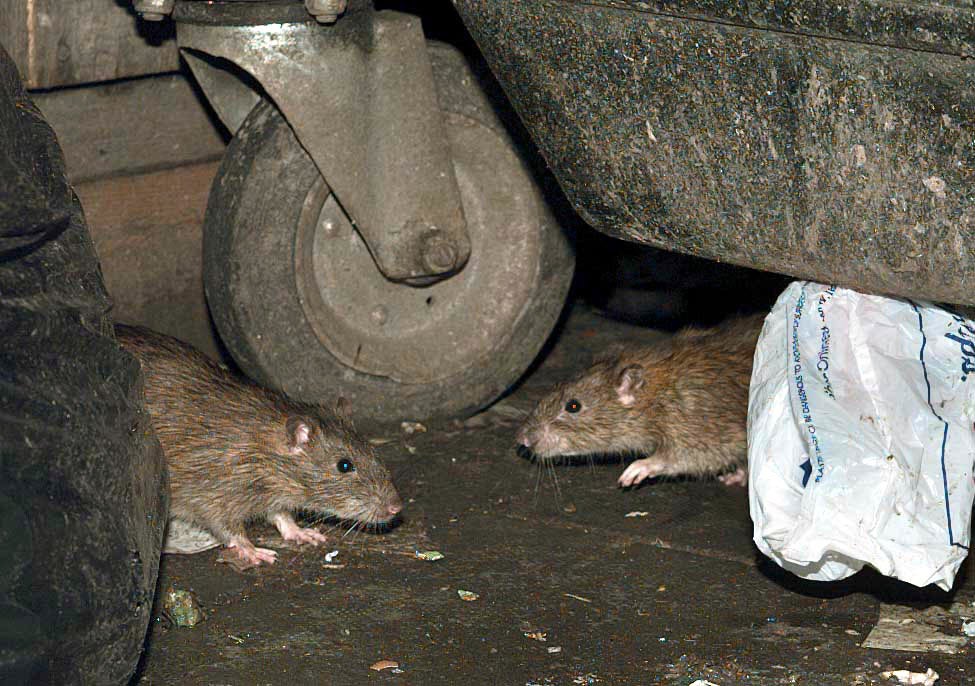
Hantaviruses, which are found throughout the world, are a family of viruses, typically linked to exposure to the faeces or urine of infected rodents, the World Health Organisation (WHO) said.
While rare, WHO said they can be spread between people and they can lead to severe respiratory illness.
Hantaviruses cause two serious syndromes, according to the US Centers for Disease Control and Prevention: hantavirus pulmonary syndrome, a severe disease that effects the lungs, and hemorrhagic fever with renal syndrome, a severe disease that affects the kidneys.
There is no specific treatment or cure, but early medical attention can increase the chance of survival.
In a statement, they said: "WHO is aware of and supporting a public health event involving a cruise vessel sailing in the Atlantic Ocean. To date, one case of hantavirus infection has been laboratory confirmed, and there are five additional suspected cases. Of the six affected individuals, three have died and one is currently in intensive care in South Africa.
"Detailed investigations are ongoing, including further laboratory testing, and epidemiological investigations. Medical care and support are being provided to passengers and crew. Sequencing of the virus is also ongoing.
"Hantavirus infections are typically linked to environmental exposure (exposure to infected rodents’ urine or faeces). While rare, hantavirus may spread between people, and can lead to severe respiratory illness and requires careful patient monitoring, support and response.”
Hantavirus was in the news after the late actor Gene Hackman's wife, Betsy Arakawa, died from hantavirus infection in New Mexico last year. Hackman, who had Alzheimer’s, died a week later at their home.
The MV Hondius is run by tour company Oceanwide Expeditions, described as the “first-registered Polar Class 6 vessel in the world, meeting the latest and highest Lloyd’s Register standards for ice-strengthened cruise ships”.
A Foreign Office spokesperson said: "We are closely monitoring reports of a potential hantavirus outbreak on the cruise ship Hondius and stand ready to support British nationals if needed. We are in touch with the cruise company and local authorities."
“The health and safety of all passengers and crew is our highest priority. Oceanwide Expeditions is working closely with local and international authorities, including WHO, RIVM [National Institute for Public Health and the Environment, relevant embassies, and the Dutch Ministry of Foreign Affairs. Disembarkation and medical screening of all guests require coordination with local health authorities, and we are in close consultation with them,” the company said in a statement.
It added that they are working to establish full facts and provide appropriate medical car as well as screening.
The Independent has contacted Oceanwide Expeditions for comment.
South Africa's Department of Health said the ship had left Argentina around three weeks ago for a cruise that included visits to Antarctica, the Falkland Islands and other stops. It was due to ultimately head to Spain's Canary Islands on the other side of the Atlantic.
Around 150 tourists were onboard at the time of the outbreak, South Africa's health department said. Several online tour operators said the Hondius, which is described as a specialist polar cruise ship, usually travels with around 70 crew members.
The WHO said it was working with national authorities and the ship's operators to conduct a "full public health risk assessment" and provide support for those still onboard.
South Africa's National Institute for Communicable Diseases, meanwhile, was conducting contact tracing in the Johannesburg region to identify if other people were exposed to the infected passengers in South Africa.