Mindful Black Friday 2026: A 24-Hour Pause Before You Buy
Feeling rushed by Black Friday offers? Use a mindful 24-hour shopping pause, a simple worksheet and clearer digital boundaries to make room for your own priorities.
 Netzender Editorial Team

A mindful Black Friday starts with a decision made before the sale: give unplanned, nonessential purchases a day on a separate list before deciding whether to buy. Use that pause to check what you need, what the purchase will cost, and what you want your attention to go toward. You can enjoy shopping without treating every offer as an instruction.
Reviewed November 26, 2026, ahead of Black Friday on November 27. This ZEN guide offers an everyday attention practice and an original shopping worksheet. The 24-hour pause is a practical rule of thumb, not a scientifically established threshold or a promise of savings.
What does mindful shopping mean on Black Friday?
Here, mindful shopping means noticing the moment you move from considering an item to feeling that you must buy it immediately. The useful question is specific: what changed? Perhaps you remembered a real need. Perhaps a countdown appeared, a friend sent a deal, or you started comparing your home with someone else's.
You do not have to make the feeling disappear before choosing what to do. You can be excited about a product and still leave the decision until tomorrow. You can also decide that a planned purchase fits your life and buy it without turning the experience into a test of virtue.
The American Psychological Association's holiday-money guidance recommends planning, tracking spending and keeping relationships in view when commercial pressure becomes distracting. That is a useful backdrop for a quieter shopping routine: make room to consider the choice before making the payment.
Why a sale can feel more urgent than your own plan
A crossed-out price tells one story: you could miss a saving. A list written before browsing tells another: these are the things you actually intended to consider. When the first story takes over, buying an extra item can begin to feel like finishing an unfinished task.
The OECD describes online design patterns including urgency cues, repeated prompts, hidden information and subscription traps. These designs can make it harder to step back and compare choices. The FTC's dark-patterns report announcement specifically identifies countdowns that create a false impression that an offer is about to end.
That does not establish that a particular sale is dishonest. Some deadlines and stock limits are real. It means a timer is a marketing cue to examine, rather than a personal obligation to act. A useful product can be worth considering; the pressure surrounding it does not have to set your pace.
Set up your 24-hour pause before opening the shopping app
Moneysmart's sales-pressure guide, updated in October 2026, suggests waiting at least 24 hours before an unplanned purchase. It also distinguishes purchases that can wait from ones that need a prompt decision. Apply your pause to optional additions, not to essential food, an urgent replacement or another time-sensitive need.
Make three short notes before you browse:
- What I came for: name the item and the problem it should solve. For example, a replacement bag with enough space for your work laptop.
- What would make me stop: choose an all-in spending limit and a browsing end time that fit your own circumstances.
- Where unplanned ideas go: choose a notes page or paper list with a review time the next day.
Saving the idea outside the store gives you somewhere to put it without keeping the checkout open. Record the product name, retailer and current price. If you save a link, use it later to revisit the product; saving it is not a commitment to buy.
A two-minute pause when FOMO shows up
Try this short sequence once, with the next optional item that catches your attention. The timing is simply an editorial suggestion; adjust it to your situation.
- Put the screen down briefly. Rest your hands and look at something in the room. You are making space to choose, not trying to achieve a special state of calm.
- Name the immediate reason. Finish the sentence: I want to buy this now because... Write the first honest answer, whether it is usefulness, excitement, comparison or fear of losing the price.
- Find its place in the plan. Was this on your original list? If it is a new idea, add it to tomorrow's review page with the full price.
- Choose the next action. Return to the planned item, close the store, or continue researching within the browsing time you already chose.
Suppose you set out to compare one replacement backpack and see a discounted pair of headphones at checkout. The pause does not have to prove that the headphones are bad. It asks a narrower question: do they deserve a separate decision? If the answer is yes, write them down and finish considering the backpack.

Copy this shopping-pause worksheet
Use one row per unplanned item. These prompts are an original editorial worksheet, not a validated psychological assessment. A few words in each field are enough.
| Prompt | Your note |
|---|---|
| The item and the problem it would solve | Describe a specific use, not only the advertised benefit. |
| What caught my attention | Need, price, recommendation, comparison or another reason. |
| What I already own | Would an existing item do the job adequately? |
| The full commitment | Price, delivery, necessary extras and any recurring charge. |
| Review time | A date and time after the pause, away from the sales feed. |
| My decision | Buy as planned, research further, wait longer or leave it. |
For more detailed planning, the CFPB's Your Money, Your Goals toolkit includes a spending tracker, a bill calendar and tools for planning larger purchases. Your pause list and your budget serve different purposes: one records what attracted you; the other helps you see what fits.
What to check when you return tomorrow
Read your own note before reopening the retailer's page. Has the intended use become clearer? Does the item still solve the problem you wrote down? Would you choose it over the other uses you have for that money, space and time?
Then verify the practical details. The FTC's online-shopping guide recommends comparing the complete cost and reading delivery and return conditions. Check the exact model or size, the seller, delivery charges, required accessories, and any subscription or membership attached to the offer. A low first payment and a low overall cost are different things.
If the price has risen, decide again using the current price. You do not have to buy because you spent time researching, and you do not have to make an unrelated purchase to compensate for a missed offer. The pause creates a chance to review; it cannot guarantee that a deal will remain available.
Separate that reflection from checking whether a retailer is genuine. Netzender's Black Friday fake-store guide covers seller and search-ad checks.
Protect the rest of your day from the sales feed
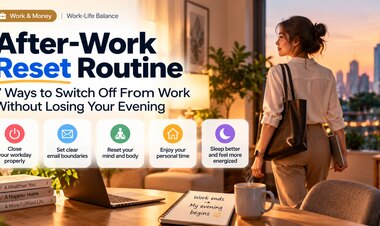
Decide what happens after browsing ends. Put a specific activity beside the end time: prepare lunch, finish a chapter, call a friend or go outside. An ordinary next step can be easier to follow than an open-ended instruction to use your phone less.
MoneyHelper recommends noticing spending triggers, keeping a wish list and reducing exposure to brands that prompt unwanted purchases. You can start with the one retailer newsletter or shopping notification that interrupts you most often, while keeping essential messages available.
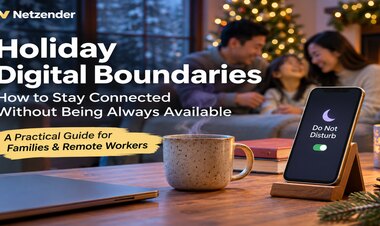
For a broader setup, use Netzender's notification-detox guide. If the holiday involves work messages and family expectations as well as shopping, our holiday digital-boundaries guide can help you plan those conversations.
Frequently asked questions
Is 24 hours the scientifically proven waiting period?
No. It is a practical consumer-guidance suggestion, not an established threshold for every person or purchase. Expensive decisions may deserve longer consideration; urgent essentials may need a different approach.
Does mindful Black Friday mean buying nothing?
No. You might buy a planned replacement, choose a gift or leave a tempting offer. The practice is to notice why you are choosing and review the commitment before paying.
What if I already made an impulse purchase?
Review the order and the seller's cancellation or return terms. Record what prompted the decision so you can adjust your next shopping session. A purchase you regret does not require a punishment or an even stricter challenge.
What if spending feels difficult to control?
A pause worksheet may be insufficient when spending causes serious distress or debt. Seek suitable support from a qualified debt adviser or mental-health professional rather than treating this exercise as a diagnosis or treatment.
Photo credit: cover by Melinda Pack, via Wikimedia Commons, CC0; cropped, resized and converted to PNG. Photos are illustrative. This article includes no affiliate links and makes no claim of a product test or guaranteed financial or health outcome.