AI Search Optimization Checklist: 20 Steps for SEO and AEO
A practical 20-step AI search optimization checklist covering crawlability, evidence, entities, internal links, citations, Search Console, Bing AI Performance, and measurement.
 Netzender Editorial Team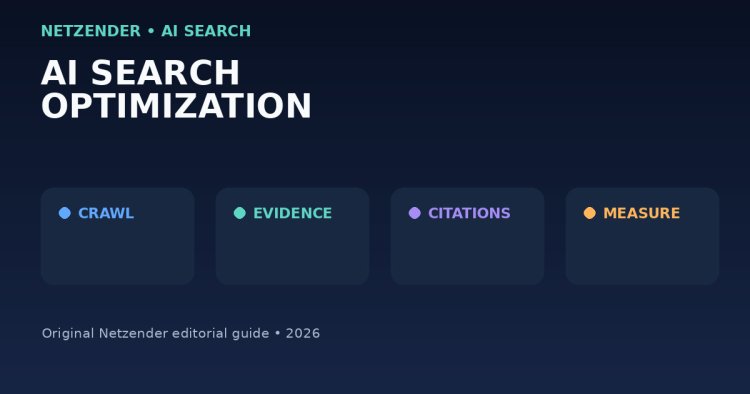
AI search optimization is not a replacement for SEO. The strongest strategy starts with the same fundamentals that make a page crawlable, indexable, useful, trustworthy, and easy to understand, then adds measurement for mentions, citations, AI referrals, and generative search visibility.
This checklist focuses on actions publishers can actually control instead of speculative tricks for manipulating AI systems.
1. Make Sure Important Pages Can Be Crawled
Before thinking about AI citations, confirm that important content is accessible to search crawlers.
- Review robots.txt.
- Check HTTP status codes.
- Remove accidental noindex directives.
- Check authentication barriers.
- Review JavaScript rendering issues.
- Verify canonical tags.
Google's guidance for AI features continues to build on normal Search eligibility. A page needs to be indexed and eligible for Search before it can appear as a supporting link in generative search experiences.
2. Consolidate Duplicate URLs
Use a clear canonical version for each important piece of content. Duplicate URLs divide signals and make performance analysis harder.
3. Target a Clear Search Need
Every page should answer a recognizable user need.
- What question is being answered?
- Who is the intended reader?
- What decision should they be able to make?
- What does the page contribute beyond existing results?
4. Put the Core Answer Early
Do not hide the main answer behind a long generic introduction. State the answer, then expand with evidence, examples, limitations, and supporting detail.
5. Use Descriptive Headings
Headings should communicate what each section actually answers. Clear structure helps users scan the page and makes long content easier to retrieve and interpret.
6. Publish Verifiable Claims
Prefer information that can be checked:
- specific figures;
- methodology;
- documented product features;
- original research;
- real examples;
- clear publication dates;
- limitations.
7. Use Primary Sources
For policies, software changes, specifications, laws, platform behavior, and other time-sensitive facts, use first-party documentation where possible.
8. Strengthen Entity Clarity
Make it obvious who published the content and which company, product, author, or topic the page describes.
Consistent names, author profiles, About pages, structured data, and official profiles reduce ambiguity.
See our Entity SEO guide for a deeper framework.
9. Add Appropriate Structured Data
Structured data should describe visible page content accurately. It is not a special AI-ranking switch.
Use supported schema types only when they genuinely apply.
10. Build Strong Internal Links
Internal links help establish relationships between topics and important pages.
Use descriptive anchors rather than generic text such as “click here.”
Read How AI Search Engines Choose Sources.
11. Make Original Information Easy to Find
If a page contains a unique dataset, benchmark, test, calculator, comparison, workflow, or expert insight, give it a clear section and explain how it was produced.
12. Keep Time-Sensitive Pages Current
Frequently review pages covering:
- AI tools;
- software;
- pricing;
- regulations;
- travel requirements;
- platform policies;
- technical standards.
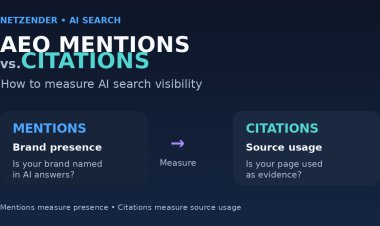
13. Track Mentions Separately From Citations
A mention means the brand appears in an answer. A citation means a source is referenced or used as supporting evidence.
See AEO Mentions vs. Citations.
14. Monitor Which URLs Receive Citations
Site-level visibility scores are useful, but URL-level information tells you which actual pages are being selected.
Look for patterns across:
- guides;
- documentation;
- research;
- tools;
- comparison pages;
- product pages.
15. Monitor Google Generative AI Performance
Use Google Search Console's generative AI reporting alongside normal Search performance data.
16. Use Bing AI Performance
Bing Webmaster Tools provides AI Performance information including citations, cited pages, grounding queries, and related AI-search metrics.
17. Measure AI Referral Traffic
Track what happens after AI visibility:
- sessions;
- landing pages;
- engagement;
- leads;
- revenue;
- assisted conversions.
18. Compare Competitors by Topic
Do not rely only on one site-wide visibility score. Find the topics and prompts where competitors appear but your brand does not.
19. Avoid Scaled Low-Value Content
Generating a large number of pages does not automatically create authority. Content still needs a useful purpose, editorial review, and original value.
20. Build a Repeatable Editorial Loop
A practical process is:
Research → Draft → Verify → Publish → Measure → Refresh.
AI can accelerate parts of the workflow, but factual review and editorial accountability remain important.
AI Search Optimization Checklist
- Crawlable URL.
- Indexable page.
- Correct canonical.
- Clear search intent.
- Direct answer.
- Descriptive headings.
- Primary-source evidence.
- Original information.
- Clear entity identity.
- Relevant structured data.
- Strong internal links.
- Fresh facts.
- Mentions measured.
- Citations measured.
- Cited pages monitored.
- AI referrals measured.
- Competitor gaps reviewed.
- Low-value scaling avoided.
- Editorial QA completed.
- Performance reviewed regularly.
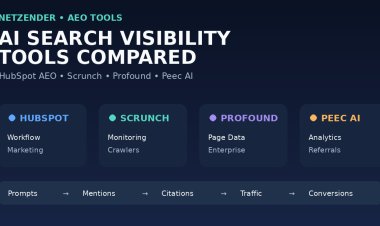
For tools, see AEO Tools Compared.
Final Takeaway
AI search optimization works best when it improves the information ecosystem rather than attempting to manipulate individual AI answers.
Make useful content technically accessible, publish evidence worth retrieving, clarify entities, connect related pages, and measure performance across Search, AI answers, citations, and referrals.